
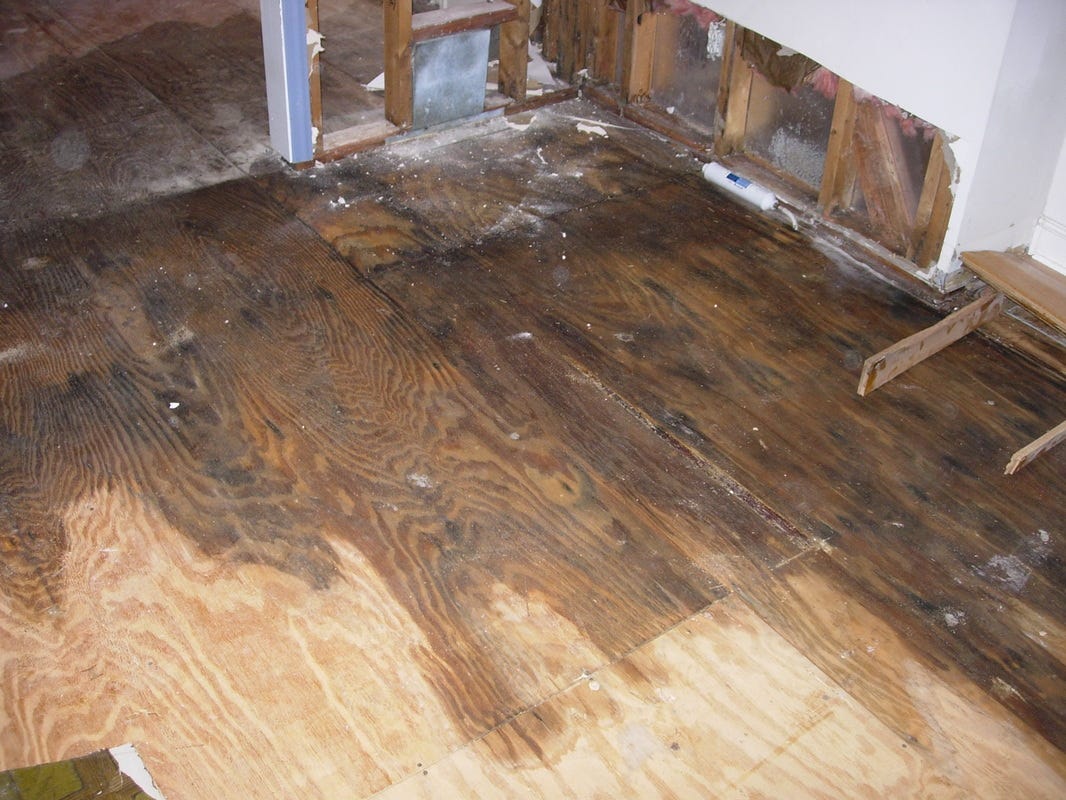
A Property Owner’s Guide to Water Damage Repair in Miami Shores
Owning property in Miami Shores comes with character, history, and a unique coastal environment that many homeowners love. But along with that charm comes a consistent challenge: moisture.
Water damage repair in Miami Shores is not uncommon. Between aging plumbing systems, slab foundations, heavy seasonal rains, hurricane-force winds, and constant humidity, properties here face conditions that make water intrusion more likely than in many other parts of the country.
For homeowners, landlords, and property managers, understanding how water damage repair actually works — and how to prevent long-term structural issues — is essential.
This guide breaks it down clearly and practically.
Why Water Damage Is So Common in Miami Shores
Miami Shores sits just west of Biscayne Bay and is surrounded by coastal communities like North Miami and Biscayne Park. That location brings several environmental factors into play:
- High year-round humidity
- Wind-driven rain during storm season
- Elevated groundwater levels
- Concrete block construction
- Slab foundations
- Tile roofs with aging flashing
Many homes in Miami Shores were built between the 1940s and 1970s. While structurally solid, older plumbing lines and roof systems can create hidden vulnerabilities.
Water intrusion here is rarely dramatic at first. It’s usually gradual — and that’s what makes it dangerous.
Common Sources of Water Damage in Miami Shores Homes
Understanding where water typically enters helps property owners respond faster.
1. Roof Leaks
Tile roofs are common throughout Miami Shores. Over time, flashing and underlayment wear down, especially after hurricane seasons.
Even small roof leaks can soak attic insulation and ceiling drywall before visible staining appears.
2. Slab Leaks
Because many homes sit on concrete slabs, plumbing failures under the foundation can push moisture upward into flooring systems.
Signs may include:
- Warped wood floors
- Loose tiles
- Warm spots on the floor
- Musty odors
Slab leaks often require professional moisture detection to locate accurately.
3. Plumbing Failures
Aging copper pipes, corroded fittings, and old shutoff valves are common culprits in older homes.
Slow drips inside wall cavities can remain hidden for months.
4. AC Condensation Issues
Air conditioning systems run nearly year-round in South Florida. Clogged condensate drain lines or rusted drain pans frequently cause water damage inside air handler closets.
5. Wind-Driven Rain
During heavy storms, rain can penetrate window seals, door frames, and roof penetrations — even without obvious exterior damage.
What Happens When Water Is Left Untreated
In Miami Shores’ humid climate, water doesn’t evaporate quickly.
If not addressed immediately, moisture spreads into:
- Drywall
- Insulation
- Subflooring
- Baseboards
- Cabinet interiors
- HVAC systems
Within 24–48 hours, mold growth can begin.
Water damage repair isn’t just about drying visible water. It’s about stopping long-term structural deterioration.
The First Step: Professional Moisture Detection
Before any repairs begin, the scope of water intrusion must be defined.
Professional moisture detection typically includes:
- Thermal imaging
- Moisture meter readings
- Slab moisture testing
- Attic inspection
- HVAC evaluation
- Plumbing pressure testing if needed
Visual inspection alone is not enough.
In one Miami Shores property, a small ceiling stain turned out to be part of a larger attic moisture issue affecting insulation across multiple rooms.
Without moisture mapping, repairs would have been incomplete.
Water Extraction and Structural Drying
If active water is present, immediate extraction is necessary.
This may involve:
- Pumping standing water
- Removing wet carpet padding
- Lifting flooring for drying
- Deploying high-capacity dehumidifiers
- Using air movers to increase airflow
- Monitoring moisture levels daily
Because Miami Shores experiences high ambient humidity, drying equipment often needs to run longer than in drier climates.
Drying must be measured, not estimated.
When Materials Must Be Removed
Not all materials can be saved.
Porous materials that remain saturated may require removal, including:
- Drywall
- Insulation
- Carpet padding
- Engineered wood flooring
- Cabinet backing
The goal is to eliminate trapped moisture before rebuilding begins.
Attempting to “dry in place” materials that are too saturated often leads to mold growth weeks later.
Mold Prevention During Water Damage Repair
Water damage and mold are closely connected in South Florida.
If moisture is not fully removed, mold remediation may follow.
To prevent this:
- Containment may be used in affected areas
- HEPA air filtration can reduce airborne particles
- Moisture levels are verified before repairs
- HVAC systems are inspected for contamination
Early drying is the most effective mold prevention strategy.
HVAC Systems and Secondary Damage
Air conditioning systems play a major role in moisture control.
After water damage, HVAC systems should be inspected for:
- Duct insulation moisture
- Drain line clogs
- Air handler closet water intrusion
- Mold inside vents
Air duct cleaning may be recommended if contamination is detected.
Ignoring the HVAC system can allow moisture or mold spores to circulate throughout the property.
Repair and Reconstruction
Once moisture levels are stable, repair begins.
This may include:
- Replacing drywall
- Installing new insulation
- Repairing baseboards
- Restoring flooring
- Repainting surfaces
- Repairing cabinetry
In older Miami Shores homes, matching historic materials may require careful sourcing.
Proper reconstruction ensures both structural integrity and aesthetic consistency.
Flood Restoration Considerations
While Miami Shores isn’t directly oceanfront like Bal Harbour, heavy rain and storm events can still cause flooding.
Flood restoration may involve:
- Sanitizing affected areas
- Removing contaminated materials
- Drying framing and subfloor
- Evaluating electrical systems
Even minor flooding can create significant structural risk in slab-based homes.
Prompt action limits long-term impact.
Why DIY Repairs Often Lead to Repeat Problems
Surface-level fixes — repainting ceilings, patching drywall, replacing visible flooring — do not address hidden moisture.
Without proper moisture detection and drying:
- Damp insulation remains
- Subflooring stays wet
- Mold develops behind new materials
- Odors persist
In Miami Shores’ humidity, moisture rarely resolves itself naturally.
Professional repair focuses on eliminating the root cause.
Preventing Future Water Damage
Long-term protection requires ongoing maintenance.
Property owners in Miami Shores should:
- Inspect roofs before hurricane season
- Replace aging plumbing components
- Maintain AC systems regularly
- Monitor indoor humidity
- Check window and door seals
- Address leaks immediately
- Schedule periodic moisture inspections
Homes near canals or low-lying areas require additional vigilance due to elevated groundwater levels.
Routine inspection is far less expensive than structural repair.
Why Local Experience Matters
Water damage repair in Miami Shores requires understanding:
- Concrete block construction
- Slab foundation moisture migration
- Coastal humidity behavior
- Hurricane-driven rain patterns
- Older plumbing systems
Professionals who regularly work in Miami Shores, North Miami, and Biscayne Park understand how moisture moves through these specific building types.
Tip Top Water and Fire Damage Restoration approaches water damage repair with that local insight, focusing on long-term structural stability rather than cosmetic fixes.
Experience prevents repeat issues.
A Practical Approach for Property Owners
If your Miami Shores property experiences water intrusion, take it seriously — even if it appears minor.
Act quickly:
- Identify the source
- Stop the water
- Measure hidden moisture
- Dry thoroughly
- Repair carefully
Water damage repair is most effective when handled methodically and early.
In a humid coastal environment like Miami Shores, prevention and prompt response protect your property from mold growth, structural deterioration, and unnecessary expense.
Stay proactive. Monitor moisture. Inspect regularly.
That’s how property owners in Miami Shores maintain long-term stability and protect their investment in South Florida’s moisture-heavy climate.