
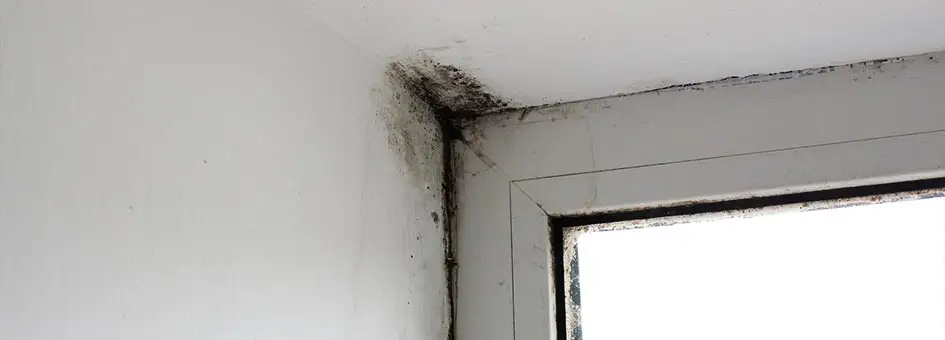
A Property Owner’s Guide to Mold Remediation in Aventura
Owning property in Aventura means living with water in every direction.
You have the Intracoastal. You have canal-front homes. You have high-rise condos facing the ocean. And you have humidity that never really leaves.
In this environment, mold remediation isn’t unusual. What matters is how it’s handled.
For homeowners, condo owners, landlords, and property managers in Aventura, understanding how mold develops — and how proper remediation works — protects both property value and long-term structural integrity.
This guide walks through what you actually need to know.
What Mold Remediation Really Means
Mold remediation is not spraying a chemical and wiping a wall.
Proper remediation involves:
- Identifying the moisture source
- Containing affected areas
- Removing contaminated materials
- Cleaning structural components
- Drying thoroughly
- Verifying moisture stabilization
In Aventura’s humid climate, skipping even one of these steps often leads to mold returning within months.
The goal is not cosmetic improvement. It’s moisture control and structural stability.
Why Mold Is Common in Aventura
Aventura properties face constant environmental pressure.
Local contributing factors include:
- High year-round humidity
- Hurricane season storms
- Wind-driven rain
- Elevated groundwater
- Continuous AC usage
- Salt-heavy coastal air
- High-rise sealed building envelopes
Even small leaks behave differently here than in drier regions.
Moisture doesn’t evaporate quickly. It lingers inside drywall, insulation, subflooring, and duct systems.
That lingering moisture is what allows mold to develop.
Where Mold Commonly Develops in Aventura Properties
Mold in Aventura often hides before it becomes visible.
Common locations include:
- Behind drywall near windows
- Under laminate or wood flooring
- Beneath carpet padding
- Inside HVAC ducts
- In air handler closets
- Inside attic insulation (single-family homes)
- Around sliding glass door frames
In high-rise condos, shared plumbing stacks and sealed exterior walls create additional moisture traps.
By the time staining appears, growth may already be widespread inside cavities.
The High-Rise Factor
Many Aventura residents live in high-rise condominiums.
These buildings create unique mold remediation challenges.
Water intrusion can occur from:
- Balcony drainage overflow
- Wind-driven rain
- Shared plumbing failures
- AC condensate line clogs
- Unit-to-unit leaks
Because buildings are tightly sealed, humidity remains trapped inside longer.
Concrete construction also retains moisture.
Mold remediation in high-rise units must include careful containment to prevent spore spread into neighboring units.
The Slab Foundation Issue
In single-family homes near canals or low-lying areas, slab foundations are common.
When plumbing lines beneath slabs leak, moisture migrates upward into flooring systems.
This can lead to:
- Warped wood floors
- Loose tiles
- Musty odors
- Under-floor mold growth
Moisture detection is critical before remediation begins.
Without identifying slab leaks, mold will return even after cleaning.
Why DIY Mold Removal Fails in South Florida
Many property owners attempt:
- Bleach cleaning
- Surface scrubbing
- Painting over stains
These methods do not:
- Remove moisture inside materials
- Contain airborne spores
- Eliminate contamination inside insulation
- Address HVAC contamination
In Aventura’s humidity, mold often reappears quickly if the moisture source is not corrected.
Professional remediation focuses on containment, removal, and environmental control.
The Mold Remediation Process
Effective mold remediation follows a structured approach.
1. Inspection and Moisture Detection
Before removal begins, moisture mapping identifies affected areas.
Tools may include:
- Thermal imaging
- Moisture meters
- Slab testing
- HVAC inspection
Without defining the scope, remediation may miss hidden growth.
2. Containment
Affected areas are isolated with plastic barriers.
This prevents spores from spreading to unaffected parts of the property — especially important in condo buildings.
3. Air Filtration
HEPA air scrubbers reduce airborne particles during removal.
In high-rise properties, this protects shared air systems.
4. Removal of Contaminated Materials
Drywall, insulation, carpet padding, or cabinetry may require removal if deeply contaminated.
Saving saturated porous materials often leads to recurrence.
5. Structural Cleaning
Wood framing, concrete block, and subflooring are cleaned and treated appropriately.
6. Drying and Dehumidification
Industrial equipment stabilizes moisture levels.
In Aventura’s coastal humidity, drying must be monitored carefully.
7. Verification
Moisture readings confirm materials are dry before rebuilding begins.
This step prevents long-term structural issues.
The HVAC and Ductwork Connection
Air conditioning systems are often involved in mold cases.
Common HVAC-related issues include:
- Clogged condensate lines
- Rusted drain pans
- Duct insulation moisture
- Air handler closet leaks
If HVAC systems are not inspected and cleaned when necessary, spores can circulate throughout the property.
Air duct cleaning may be part of comprehensive remediation.
Ignoring the system can allow mold to return.
The Mold and Water Damage Relationship
Mold almost always follows water damage.
Common triggers in Aventura include:
- Roof leaks
- Plumbing failures
- Balcony intrusion
- AC overflow
- Storm-related water intrusion
Proper water damage repair and drying often prevent mold from developing in the first place.
Early response is always less disruptive than full remediation.
Preventing Future Mold Issues
Long-term protection requires moisture control.
Property owners in Aventura should:
- Maintain AC systems regularly
- Clear condensate drain lines
- Inspect sliding door seals
- Monitor indoor humidity
- Address leaks immediately
- Schedule periodic moisture inspections
- Inspect after major storms
Properties near canals or waterfront areas require additional vigilance due to elevated water tables.
Routine inspection prevents larger remediation projects.
Why Local Experience Matters
Mold remediation in Aventura is not the same as remediation inland.
Professionals must understand:
- Coastal humidity patterns
- High-rise construction systems
- Slab moisture behavior
- Salt air corrosion
- Hurricane-driven rain intrusion
Tip Top Water and Fire Damage Restoration works throughout Aventura, Sunny Isles Beach, North Miami Beach, and surrounding coastal communities.
Local experience allows faster identification of hidden moisture sources specific to South Florida properties.
That familiarity prevents incomplete remediation and recurring issues.
A Practical Approach for Property Owners
If you suspect mold in your Aventura property, don’t panic — but don’t delay.
Start with professional inspection and moisture detection. Confirm the source. Define the scope. Contain the area. Dry thoroughly.
Mold remediation is manageable when handled methodically.
In a coastal city like Aventura, moisture control is the foundation of long-term property protection.
Stay proactive. Monitor humidity. Act quickly when leaks occur.
With the right approach, even in South Florida’s demanding climate, mold remains controllable — not catastrophic.