
Preventing Future Problems: Mold Testing in North Miami Beach
North Miami Beach residents enjoy coastal living, warm weather, and easy access to Biscayne Bay and surrounding waterways. However, the same coastal environment that makes the area attractive also creates ongoing moisture challenges inside homes and buildings. High humidity, seasonal storms, and constant air conditioning use allow mold problems to develop quickly, often without obvious warning signs.
Mold testing plays an important role in preventing future property damage and indoor air quality concerns. Many homeowners wait until visible mold appears, but testing often reveals hidden contamination or moisture conditions before problems become serious. Understanding how mold testing works helps property owners protect their homes and avoid recurring remediation needs.
Taking action early makes mold problems easier and less costly to resolve.
Understanding Mold and Why Testing Matters
Mold is a natural part of the environment, but problems occur when mold grows indoors due to excess moisture. Mold spores travel through the air and settle on surfaces, but they only begin to grow when moisture remains present.
In North Miami Beach, mold often develops after roof leaks, plumbing failures, air conditioning condensation issues, or storm-related water intrusion. However, mold can also grow simply because indoor humidity stays too high for extended periods.
Mold testing helps determine whether contamination is present even when mold growth is not visible. It also helps identify whether moisture conditions exist that could allow mold to spread later.
Testing helps homeowners move from uncertainty to clear information.
Why Mold Problems Are So Common in North Miami Beach
North Miami Beach properties constantly battle humidity. Coastal air contains high moisture levels, and even well-maintained homes cannot fully block humid air from entering.
Rainstorms and tropical weather frequently introduce water intrusion through roofs, windows, and exterior walls. Wind-driven rain can force moisture into buildings even without obvious structural damage.
Air conditioning systems also contribute to moisture concerns. Systems run nearly year-round, producing condensation that must drain correctly. If drain lines clog or equipment malfunctions, moisture may accumulate in ceilings or walls.
Because of these factors, mold issues can develop in both older homes and newer condominiums.
Common Signs That Mold Testing May Be Needed
Homeowners often request mold testing after noticing signs that suggest hidden moisture or contamination. Common warning signs include:
Musty or damp odors indoors
Dark staining on walls or ceilings
Peeling paint or bubbling drywall
Condensation around vents or windows
Persistent humidity indoors
Increased allergy-like reactions inside the home
However, mold problems often remain hidden behind surfaces, making testing useful even when visible signs are minimal.
Early testing prevents small problems from growing into larger restoration needs.
Hidden Moisture Sources Often Discovered
Professional mold testing frequently uncovers moisture sources that homeowners were unaware of. Common hidden problems include:
Slow plumbing leaks behind walls
Roof leaks after storms
Clogged AC condensate drain lines
Sweating ductwork in attics or ceilings
Poor ventilation in bathrooms or kitchens
Moisture trapped under flooring
These issues allow mold to grow in concealed areas long before visible symptoms appear. Testing helps identify contamination early, allowing corrective action before damage spreads.
Why DIY Mold Detection Often Misses the Problem
Some homeowners rely on home test kits or visual inspection to determine whether mold exists. While these methods may detect surface growth, they rarely reveal the full extent of contamination.
DIY kits cannot measure airborne spore levels accurately, and they do not identify moisture sources. Homeowners may receive confusing results or assume mold is absent when hidden contamination exists.
Professional testing combines inspection, moisture detection, and air or surface sampling to provide reliable information.
Accurate testing prevents unnecessary cleanup and ensures real problems are addressed.
How Professional Mold Testing Works
Professional mold testing begins with a detailed inspection of the property. Inspectors look for visible mold growth and investigate areas where moisture may be present.
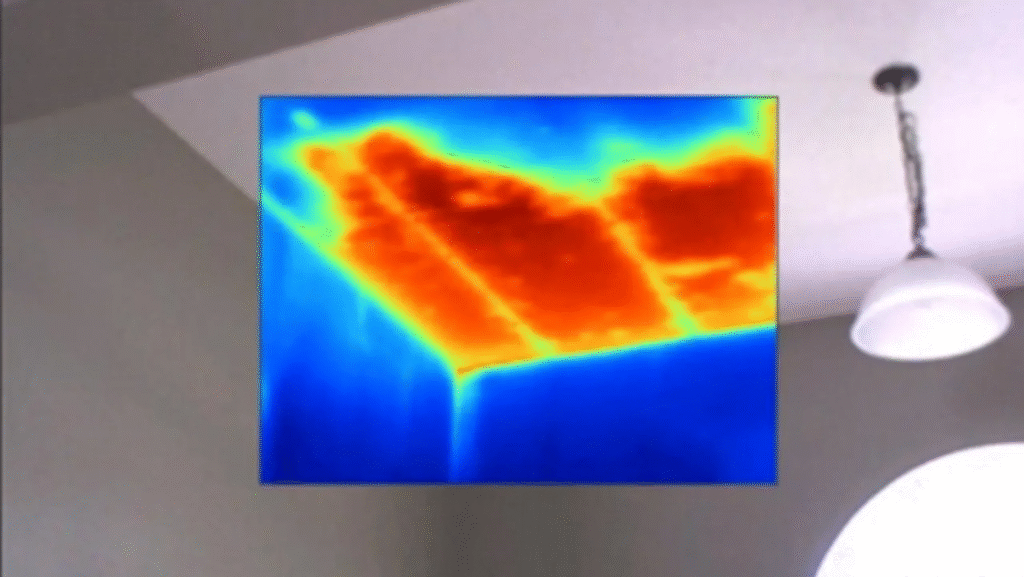
Moisture meters and thermal imaging cameras help detect damp materials behind walls or under flooring. Inspectors also evaluate ventilation systems and air conditioning components that may contribute to condensation issues.
Air sampling measures mold spores inside the home and compares them with outdoor levels. Surface samples may also be collected from suspected contamination areas.
This information helps determine whether mold remediation is necessary or if moisture correction alone will prevent future growth.
Mold Remediation When Testing Shows Contamination
If testing reveals mold contamination, remediation may be recommended. The remediation process includes isolating affected areas, safely removing contaminated materials, and cleaning surfaces using professional antimicrobial solutions.
Containment prevents spores from spreading during cleanup. After removal, drying equipment eliminates moisture so mold cannot return.
Restoration repairs replace materials removed during remediation, returning the home to safe conditions.
Companies such as Tip Top Water and Fire Damage Restoration regularly assist North Miami Beach homeowners with both mold testing and remediation, helping properties recover efficiently.
How Flooding and Water Damage Influence Mold Growth
Many mold problems in North Miami Beach begin after flooding or plumbing failures. When water damage is not properly dried, mold often develops later.
Flood restoration includes water removal, drying, and sanitization. However, if moisture remains hidden in walls or flooring, mold growth may appear weeks later.
Mold testing after water damage ensures restoration efforts successfully eliminated moisture risks.
Acting quickly after flooding prevents future mold remediation needs.
Air Conditioning Systems and Mold Spread
Air conditioning systems play a significant role in mold problems. Condensation leaks or poorly insulated ducts can introduce moisture into ceilings or walls.
If mold grows inside ductwork, spores may spread throughout the home whenever the system runs. Testing often includes evaluating HVAC systems to determine whether contamination has entered airflow systems.
Regular maintenance and duct cleaning help prevent recurring moisture and mold problems.
Preventing Mold Problems in North Miami Beach Homes
Preventing mold growth requires ongoing moisture control. Homeowners can reduce risks by:
Maintaining air conditioning systems regularly
Clearing condensate drain lines
Repairing leaks promptly
Improving ventilation in bathrooms and kitchens
Using dehumidifiers during humid periods
Scheduling periodic moisture inspections
Testing after storms or heavy rain also helps identify early warning signs.
Small preventive actions help avoid costly restoration later.
Why Local Experience Matters in Mold Testing
Mold behavior in coastal South Florida differs from inland environments. Professionals familiar with North Miami Beach understand how humidity, storms, and construction styles influence moisture conditions.
Local expertise allows inspectors to identify trouble spots quickly and recommend solutions suited to coastal properties rather than generic approaches.
Tip Top Water and Fire Damage Restoration frequently works with property owners across North Miami Beach and nearby communities dealing with moisture and mold concerns unique to coastal living.
A Calm Path Forward for Homeowners
Mold concerns can feel stressful, but mold testing provides clarity. Instead of guessing, homeowners receive reliable information about indoor conditions and necessary next steps.
Early testing helps prevent small moisture issues from becoming major remediation projects. With proper inspections and maintenance, homes remain comfortable and protected despite South Florida’s humid climate.
Proactive testing and moisture awareness allow North Miami Beach residents to enjoy coastal living while keeping their homes safe and mold-free.