
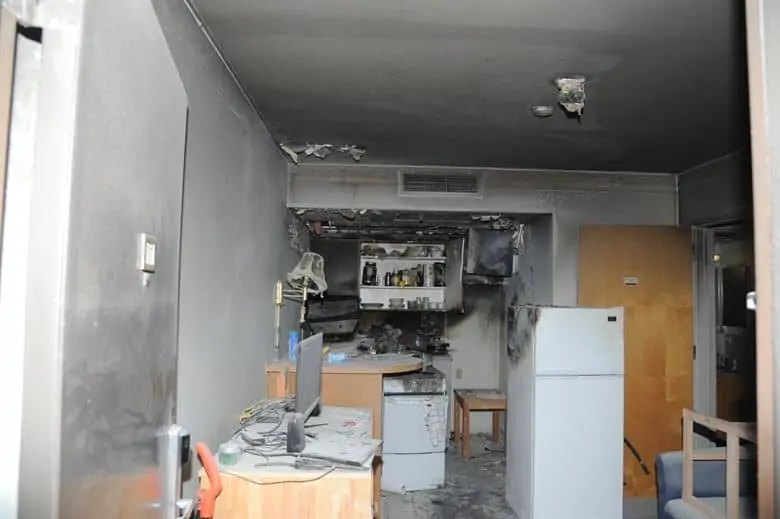
Long-Term Protection Tips Related to Fire Damage Restoration in Aventura
Fire incidents are among the most disruptive events a homeowner or property manager can experience. In communities like Aventura, where many properties include high-rise condominiums, waterfront homes, and multi-family residences, fire damage can impact not only individual units but entire buildings. While immediate cleanup and restoration are critical after a fire, long-term protection is just as important.
Understanding how to prevent future problems after fire damage restoration helps property owners safeguard their homes, maintain indoor air quality, and avoid recurring repair costs. Proper restoration combined with preventive maintenance ensures properties recover fully and remain protected moving forward.
For Aventura homeowners, preparation and awareness play a major role in long-term recovery.
Understanding Fire Damage Beyond Burned Areas
Many people associate fire damage only with areas touched by flames, but the effects extend much further. Smoke, soot, and water used to extinguish fires often cause damage throughout the property.
Smoke particles travel through air ducts, wall cavities, and ventilation systems, leaving residues in areas far from the fire source. At the same time, water from firefighting efforts soaks into drywall, flooring, insulation, and structural materials.
In Aventura’s humid coastal climate, materials that remain damp after cleanup can later develop mold problems, odors, and structural deterioration. Restoration must therefore address both fire and water damage completely.
Why Coastal Properties Face Extra Challenges After Fire
Aventura’s proximity to Biscayne Bay exposes buildings to humid air year-round. After a fire, this humidity slows drying and allows moisture to remain trapped inside structures longer.
Salt air also accelerates corrosion. When soot and moisture combine, they can damage electrical components, metal fixtures, and appliances even after visible repairs are complete.
High-rise condominiums present additional challenges, as smoke and water can spread between units through ventilation systems or shared structural spaces. Restoration must therefore consider building-wide effects.
These coastal conditions make long-term preventive measures especially important after restoration.
Common Problems That Appear Weeks After Restoration
Even after cleanup and repairs, some homeowners notice lingering issues. These may include:
Persistent smoke odors in closets or hallways
Discoloration reappearing on ceilings or walls
HVAC systems producing unpleasant smells
Warped flooring caused by hidden moisture
Peeling paint or bubbling drywall
Increased indoor humidity levels
These signs indicate moisture or smoke contamination may still be present inside hidden areas.
Proper follow-up inspections help prevent long-term damage.
Hidden Damage That Often Goes Undetected
After a fire, many forms of damage are not immediately visible. Restoration professionals frequently discover:
Moisture trapped inside walls and ceilings
Damaged insulation retaining water
Soot residue inside duct systems
Corroded electrical wiring
Weakening of structural components
Smoke contamination in ventilation pathways
If these hidden issues are not addressed, problems can resurface months later, leading to additional repairs.
Long-term protection begins with ensuring restoration was fully completed.
Why DIY Cleanup and Repairs Cause Future Problems
Homeowners sometimes attempt to clean smoke or dry materials themselves after a fire. While well-intentioned, DIY methods rarely eliminate contamination completely.
Soot particles are acidic and easily spread when improperly cleaned. Household cleaning methods often smear residues rather than removing them. Additionally, surface drying does not remove moisture trapped inside building materials.
Without professional drying and containment procedures, odors and mold growth frequently return.
Professional restoration ensures long-term results.
Professional Inspection After Restoration
A follow-up inspection after fire damage restoration helps confirm the home is fully safe and dry. Specialists evaluate moisture levels, inspect HVAC systems, and check for lingering smoke contamination.
Thermal imaging and moisture detection tools reveal dampness hidden behind walls or beneath flooring. Air quality testing may also confirm that smoke or soot particles are no longer circulating indoors.
This step provides peace of mind and ensures preventive measures can be implemented effectively.
Proper Cleanup and Long-Term Restoration Measures
Long-term protection involves more than cosmetic repairs. Surfaces must be properly cleaned and sealed to prevent smoke residue from resurfacing.
Structural components exposed to moisture should be thoroughly dried and repaired when necessary. Damaged insulation must be replaced to avoid future mold issues.
Protective coatings and proper sealing of repaired areas help prevent odors and discoloration from returning.
Companies like Tip Top Water and Fire Damage Restoration often guide homeowners through both restoration and preventive planning to avoid recurring damage.
HVAC Systems and Smoke Damage Prevention
Air conditioning systems often carry smoke and soot throughout a property during a fire. If ducts and components are not cleaned properly, odors and contaminants continue circulating.
After restoration, HVAC systems should be inspected and cleaned to remove residues. Filters should also be replaced regularly to maintain indoor air quality.
Ensuring ducts are dry and free from contamination prevents mold growth and lingering smoke odors.
Regular maintenance keeps systems functioning safely.
Preventing Moisture Problems After Fire Damage
Water used to extinguish fires can create moisture conditions that lead to mold growth weeks later. Homeowners can reduce risks by monitoring indoor humidity levels and addressing dampness promptly.
Preventive steps include:
Ensuring restoration drying was completed fully
Maintaining proper indoor humidity levels
Repairing leaks immediately
Monitoring ceilings and walls for moisture signs
Keeping ventilation systems functioning properly
Addressing moisture early prevents costly future repairs.
Maintenance Tips to Prevent Future Fire Risks
Long-term protection also includes reducing the chance of future fire incidents. Homeowners in Aventura can improve safety by:
Inspecting electrical systems regularly
Avoiding overloaded circuits
Maintaining appliances properly
Installing and testing smoke detectors
Ensuring dryer vents and exhaust systems remain clean
Preventive maintenance protects both safety and property value.
Why Local Experience Matters in Restoration
Fire restoration in coastal environments requires understanding how humidity, salt air exposure, and building designs affect recovery. Professionals familiar with Aventura properties recognize recurring challenges unique to coastal homes and condominiums.
Local expertise allows restoration teams to recommend maintenance strategies suited to South Florida’s environment rather than generic solutions.
Tip Top Water and Fire Damage Restoration has worked with property owners across Aventura and neighboring communities facing complex fire and water damage recovery needs.
A Practical Path Forward for Property Owners
Fire damage recovery can feel overwhelming, but proper restoration and preventive maintenance help homes fully recover and remain protected. Acting quickly, ensuring thorough cleanup, and implementing preventive measures reduce long-term risks.
For Aventura homeowners, understanding long-term protection after fire restoration allows them to move forward confidently. With proper inspections and ongoing maintenance, homes remain safe, comfortable, and protected against future problems.
Recovery does not end with repairs—it continues through awareness and proactive care.