
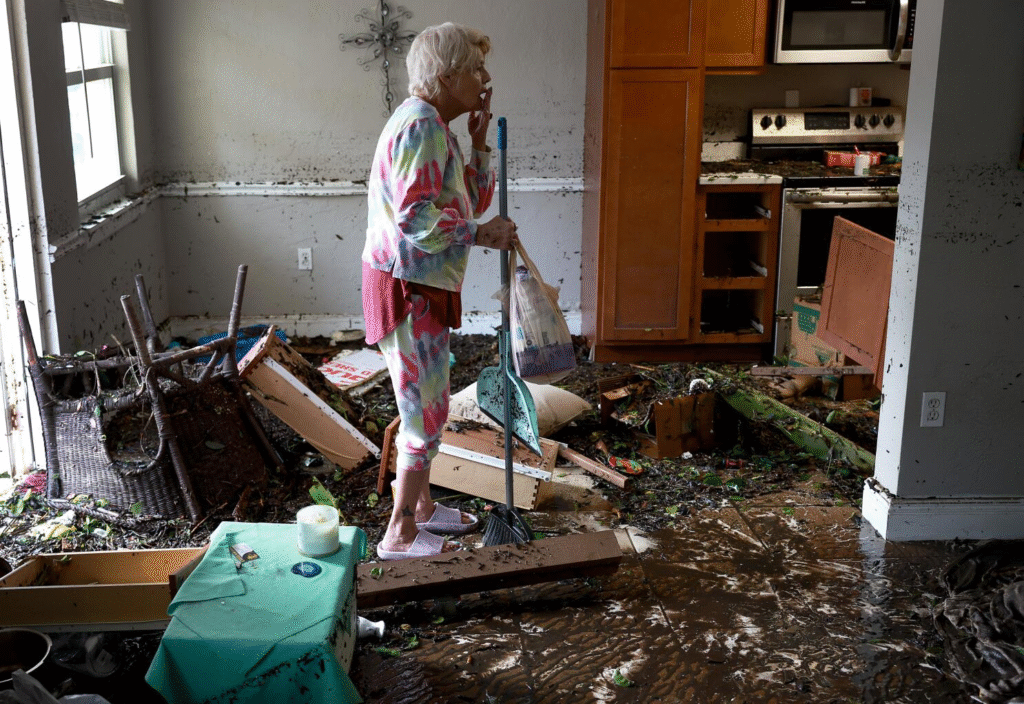
Water Removal in Miami Shores After Hurricanes: What to Watch For
Hurricane season is an unavoidable reality for South Florida communities, and Miami Shores is no exception. Even when storms pass without direct hits, heavy rainfall, wind-driven water, and localized flooding often leave homes dealing with water intrusion. After hurricanes, many homeowners focus on visible cleanup, but hidden moisture frequently causes long-term damage if not addressed properly.
Water removal after a storm is about more than drying floors or removing standing water. It involves identifying hidden moisture, preventing mold growth, and protecting structural components. Understanding what to watch for after hurricanes helps Miami Shores homeowners act quickly and avoid expensive repairs later.
Knowing how water behaves inside homes after storms makes recovery faster and safer.
How Hurricanes Cause Water Damage in Miami Shores
Hurricanes bring several types of water intrusion to residential areas. Heavy rainfall can overwhelm drainage systems, allowing water to enter homes through doors, garages, and low openings. Wind-driven rain may push water through roof edges, windows, or small structural gaps that normally remain watertight.
In Miami Shores, many homes also experience roof damage, fallen tree limbs, or clogged gutters that allow water to seep into attic spaces. Even minor roof damage can permit water intrusion that goes unnoticed until ceiling stains appear weeks later.
Additionally, power outages sometimes shut down sump pumps or AC systems, allowing humidity and moisture to accumulate indoors.
The combination of rain, wind, and humidity makes water removal essential after storms.
Why Water Damage Becomes Worse After the Storm Passes
Once the storm ends, many homeowners assume the danger has passed. However, water damage often worsens in the days following hurricanes.
Moisture absorbed by drywall, insulation, wood framing, and flooring materials remains trapped even when surfaces appear dry. Miami Shores’ warm and humid climate slows natural drying, allowing moisture to linger inside structural materials.
Within 24 to 48 hours, mold growth can begin forming on damp surfaces. Over time, this hidden moisture weakens materials and produces musty odors throughout the home.
Water removal must therefore begin quickly to prevent long-term damage.
Warning Signs That Water Removal Is Still Needed
Not all hurricane-related water damage is obvious. Homeowners often discover problems gradually after cleanup appears complete. Common warning signs include:
Musty or damp smells indoors
Ceiling or wall discoloration
Peeling paint or bubbling drywall
Warped or buckling flooring
Damp carpets or rugs
Unexpected humidity indoors
These signs usually indicate water remains trapped inside walls or flooring, requiring professional removal and drying.
Ignoring early warning signs often leads to mold remediation needs later.
Hidden Moisture Problems Homeowners Often Miss
One of the biggest challenges after hurricanes is hidden moisture. Water frequently spreads behind surfaces where it cannot be seen.
Professional inspections in Miami Shores homes often reveal:
Wet insulation in attics after roof leaks
Moisture inside wall cavities
Water trapped beneath flooring
Damp cabinetry from wind-driven rain intrusion
Moisture inside ceilings near ductwork
Because these areas remain concealed, mold growth may develop weeks after the storm.
Proper water removal ensures hidden moisture is eliminated before further damage occurs.
Why DIY Drying Efforts Usually Fall Short
After storms, many homeowners attempt to dry homes themselves using fans and air conditioning. While this helps surface drying, it rarely removes moisture trapped within building materials.
Household equipment lacks the power to dry insulation or wall cavities completely. Carpet padding and subfloor materials often remain wet even after surfaces feel dry.
Additionally, floodwater may contain contaminants that require sanitization beyond basic cleaning.
Without professional drying equipment and moisture detection tools, water damage frequently resurfaces later.
Professional water removal addresses both visible and hidden moisture.
Professional Water Removal Inspection and Assessment
The restoration process begins with inspection. Professionals evaluate how far moisture spread and identify materials affected by water intrusion.
Moisture meters detect dampness behind walls and beneath flooring, while thermal imaging equipment helps locate hidden wet areas. HVAC systems are also checked to determine whether moisture entered ducts or air handlers.
Accurate inspection ensures restoration addresses all impacted areas rather than just visible damage.
This step is essential to preventing future mold growth.
The Water Removal Process Explained
Once inspection is complete, restoration teams begin extracting water using professional-grade equipment. Removing standing water quickly limits structural damage.
After extraction, saturated materials such as carpet padding or damaged drywall may require removal if drying is not possible. This prevents moisture from lingering and causing future problems.
Industrial air movers and dehumidifiers are then installed to remove moisture trapped inside structural components. Drying typically takes several days depending on severity.
Technicians monitor moisture levels throughout the process to confirm materials return to safe conditions before repairs begin.
Companies like Tip Top Water and Fire Damage Restoration regularly help Miami Shores homeowners move from storm damage cleanup through full restoration after hurricanes.
Cleaning and Sanitizing After Storm Flooding
Hurricane flooding often introduces contaminants into homes, including debris and bacteria. Professional cleaning and sanitization help restore safe living conditions.
Antimicrobial treatments are used to clean surfaces and prevent mold development. Proper sanitization also helps eliminate odors that develop after storm-related water intrusion.
Once drying and cleaning are complete, repairs restore affected areas of the home.
HVAC Systems and Water Damage After Hurricanes
Air conditioning systems often become involved in post-hurricane moisture problems. Water entering attic spaces or mechanical rooms can damage ducts or air handlers.
Wet duct insulation can spread odors or mold spores throughout the home once the system operates again. Professional inspection ensures HVAC systems are safe before restarting.
Maintaining HVAC systems after storms helps prevent moisture from circulating indoors.
Preventing Future Water Damage After Hurricanes
Although hurricanes cannot be prevented, homeowners can reduce future water damage risks through proactive maintenance.
Helpful preventive steps include:
Inspecting roofs and windows before hurricane season
Clearing gutters and drainage systems regularly
Repairing leaks immediately after storms
Maintaining air conditioning systems and drain lines
Monitoring indoor humidity levels
Scheduling inspections after major storms
Early detection helps prevent small issues from becoming major restoration projects.
Why Local Restoration Experience Matters
Water damage recovery in coastal South Florida differs from restoration in inland regions. Professionals familiar with Miami Shores understand local building styles and common storm-related moisture problems.
Local experience allows restoration teams to respond quickly and recommend solutions suited to neighborhood conditions and coastal climate challenges.
Tip Top Water and Fire Damage Restoration frequently assists homeowners throughout Miami Shores and nearby communities dealing with hurricane-related water damage.
Local knowledge helps properties recover faster after storms.
A Practical Path Forward for Miami Shores Homeowners
Hurricanes are stressful, but understanding water removal helps homeowners respond confidently after storms. Quick action, professional drying, and proper inspections prevent long-term structural damage and mold growth.
For Miami Shores residents, knowing what to watch for after hurricanes transforms recovery into a manageable process. With proper restoration and preventive maintenance, homes remain safe and comfortable even after severe weather events.
Water damage recovery begins with awareness and ends with proper action.