How Coastal Weather Influences AC Moisture Repair in Bayfront Homes in North Miami
Bayfront homes in North Miami offer stunning views and proximity to Biscayne Bay, but they also come with unique property maintenance challenges. Coastal weather, high humidity, and salt-laden air can all impact the performance of air conditioning systems, making AC moisture repair a frequent and essential service. At Tip Top Water and Fire Damage Restoration, we regularly address these issues in North Miami, North Miami Beach, Sunny Isles Beach, Aventura, and nearby bayfront communities, helping homeowners maintain healthy, comfortable indoor environments.
Understanding AC Moisture Problems
Air conditioning systems are critical in North Miami homes, not only for comfort but also for controlling humidity. AC moisture problems occur when condensation generated by the system is not properly drained or managed. If left unaddressed, excess moisture can cause:
- Mold and mildew growth
- Structural damage to walls, ceilings, and floors
- Damage to insulation and ductwork
- Musty odors and poor indoor air quality
AC moisture repair involves identifying the root cause of water buildup, correcting drainage issues, and ensuring the system operates efficiently in high-humidity environments.
Why Coastal Weather Affects AC Performance
Bayfront homes in North Miami are directly exposed to the region’s coastal climate, which influences AC systems in several ways:
- High Humidity – Coastal humidity levels often exceed 70%, leading to greater condensation in AC units. The system must work harder to remove moisture, increasing the likelihood of leaks or water accumulation.
- Salt-Laden Air – Salt from the ocean accelerates corrosion in metal components, including evaporator coils, drip pans, and ductwork. Corrosion can create leaks and reduce the system’s efficiency.
- Storms and Heavy Rainfall – Tropical storms and hurricanes can introduce water into the home and create spikes in humidity, increasing stress on the AC system and sometimes leading to overflows or drainage failures.
- Temperature Fluctuations – Rapid changes between indoor cooling and warm, humid outdoor air can lead to condensation issues and moisture buildup in ducts and drip pans.
These environmental factors mean that AC maintenance in coastal properties is more than a routine task—it is essential to prevent water damage and maintain system longevity.
Common AC Moisture Problems in Bayfront Homes
In our experience, several issues frequently arise in North Miami bayfront properties:
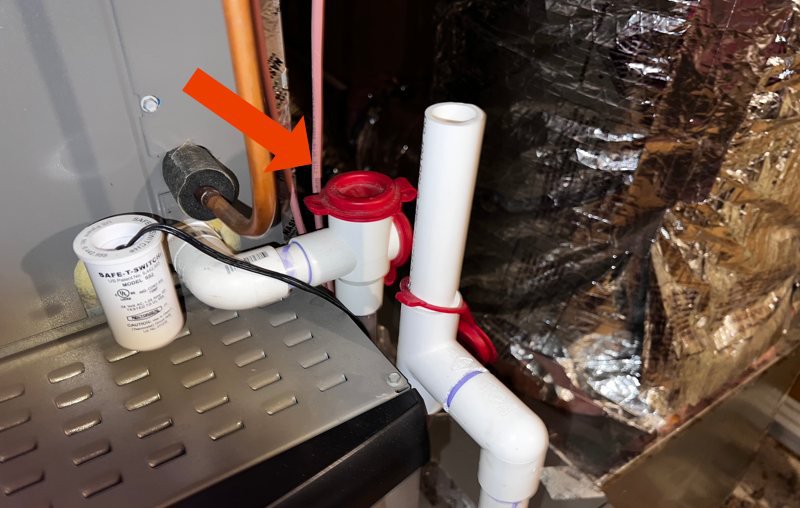
- Clogged Condensate Drains – Debris, algae, or mold can block drain lines, causing water to back up and overflow.
- Corroded Evaporator Pans – Salt air accelerates corrosion, leading to leaks and potential water damage to surrounding structures.
- Leaking or Damaged Ductwork – Moisture can escape from ducts if insulation is compromised or joints are poorly sealed.
- Frozen Coils – Excess humidity and improper airflow can cause coils to freeze, which then melt and create water overflows.
- AC System Malfunctions – Refrigerant leaks, mechanical failures, or thermostat issues can exacerbate moisture problems.
These problems not only affect comfort but can also create hidden risks for mold growth and property damage.
Signs Homeowners Should Watch For
Homeowners in North Miami can often detect AC moisture issues through several observable signs:
- Water pooling around or beneath the AC unit
- Musty or damp odors in the home
- Staining or discoloration on walls, ceilings, or floors near vents
- Reduced airflow or fluctuating temperatures from the AC system
- Visible mold growth in or around ducts, drip pans, or vents
Early detection and repair are crucial to prevent extensive water damage and maintain indoor air quality.
Hidden Sources of AC Moisture Problems
Some moisture issues are not immediately visible but can still cause significant damage:
- Duct Condensation – Humid air inside ducts may condense on metal surfaces, leading to mold growth.
- Attic and Crawl Space Drips – AC units located in attics or crawl spaces can leak, saturating insulation and wooden structures.
- Wall Cavities – Water from leaks or condensation may accumulate behind drywall, creating hidden mold risk.
- Furniture and Carpets – Water overflow can seep into flooring and soft furnishings, causing hidden damage and odors.
Professional AC inspection and moisture detection equipment are essential to uncover these concealed problems.
Why DIY AC Moisture Fixes Often Fail
Homeowners sometimes attempt quick fixes, such as clearing the drain line or using household fans. While these measures may temporarily reduce surface water, they rarely address the underlying issues:
- Partial Cleaning – Drain line clearing without addressing algae growth or corrosion is only temporary.
- Missed Mold Growth – Hidden moisture in ducts, walls, or insulation may lead to mold that continues to spread.
- Improper Coil Maintenance – Mishandling coils or drip pans can worsen water damage or reduce system efficiency.
- Undetected Leaks – Structural leaks or compromised ductwork often go unnoticed without professional tools.
In a coastal climate, DIY solutions often delay proper repair and allow water-related damage to escalate.
Professional AC Moisture Inspection & Repair
At Tip Top Water and Fire Damage Restoration, we use advanced methods to identify and correct AC moisture issues in bayfront homes:
- Moisture Meters and Thermal Imaging – Detect hidden water and moisture accumulation in walls, floors, and ductwork.
- Drain Line Assessment – Ensures proper slope, cleaning, and algae prevention.
- Coil and Pan Inspection – Checks for corrosion, blockages, or leaks in sensitive components.
- Ductwork Evaluation – Identifies condensation, microbial growth, and insulation deficiencies.
- Humidity Monitoring – Measures indoor and system humidity to prevent recurrence.
This thorough inspection ensures both visible and hidden sources of moisture are addressed.
AC Moisture Repair Process
A professional repair typically follows these steps:
- System Shutoff and Safety Check – Prevents electrical or water hazards.
- Drain Line Cleaning and Repair – Clears clogs and installs preventive measures like algae inhibitors.
- Coil and Pan Maintenance – Removes corrosion, cleans surfaces, and replaces damaged components if necessary.
- Duct Sealing and Insulation – Corrects leaks and improves airflow efficiency.
- Humidity Control – Uses dehumidifiers and system adjustments to stabilize indoor moisture levels.
- Post-Repair Monitoring – Ensures water issues are fully resolved and indoor air quality is improved.
This process prevents secondary damage and ensures the AC system functions reliably under coastal conditions.
Real-World Observations from North Miami Bayfront Homes
In our experience, bayfront homes show consistent patterns of AC moisture challenges:
- High Humidity Stress – Units must remove more moisture than inland homes, increasing the risk of leaks.
- Salt-Accelerated Corrosion – Metal components wear faster, requiring routine maintenance and occasional replacement.
- Storm-Related Water Intrusion – Roof and window leaks compound AC moisture problems.
- Aging HVAC Systems – Older systems often struggle with drainage and humidity management.
Addressing these issues requires specialized knowledge of local climate impacts and coastal property construction.
Preventing AC Moisture Problems in Coastal Homes
Proactive maintenance helps reduce the risk of moisture-related issues:
- Schedule regular AC inspections and cleaning
- Maintain condensate lines, pans, and coils to prevent clogs and corrosion
- Use high-quality insulation and duct sealing to reduce condensation
- Monitor indoor humidity levels and use dehumidifiers if needed
- Address minor leaks promptly before they affect AC performance or home structures
Preventive care extends system life and protects the home from water and mold damage.
Why Local Expertise Matters
Coastal weather in North Miami introduces variables that differ from inland areas:
- Persistent humidity slows drying and encourages microbial growth.
- Salt-laden air accelerates corrosion and AC system wear.
- Storm exposure increases the likelihood of leaks and water intrusion.
Local professionals like Tip Top Water and Fire Damage Restoration understand these conditions and tailor AC maintenance and moisture repair strategies for long-lasting results.
Calm, Trust-Based Call to Action
AC moisture problems in bayfront homes are rarely limited to visible leaks. Hidden condensation, high humidity, and corrosion can lead to mold growth, property damage, and poor indoor air quality. Professional inspection, repair, and maintenance are essential to keep AC systems functioning efficiently and homes safe. Tip Top Water and Fire Damage Restoration provides the expertise, equipment, and local experience necessary to resolve AC moisture issues in North Miami bayfront properties and nearby communities.