
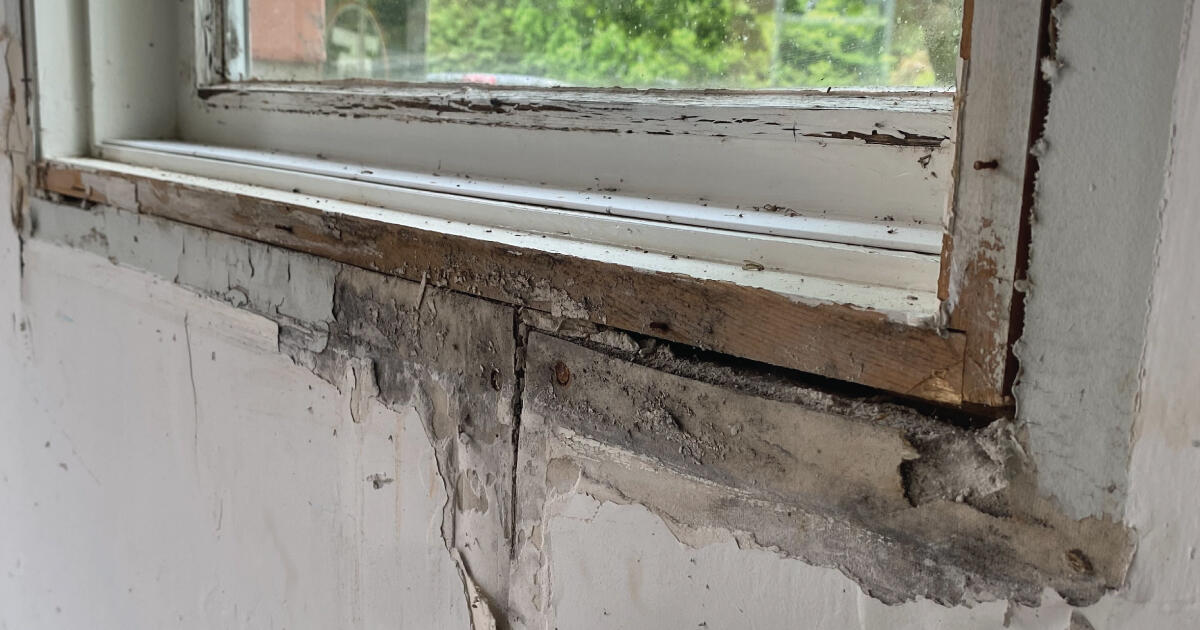
When Homes Require Flood Restoration in Coastal Neighborhoods Near Biscayne Bay
Living near Biscayne Bay offers waterfront views, ocean breezes, and easy access to some of the most desirable neighborhoods in South Florida — from North Miami and Miami Shores to Biscayne Park, Aventura, and Surfside. But coastal proximity comes with a reality every property owner eventually faces: flood risk.
Flood restoration in these neighborhoods is not a rare service. It becomes necessary after heavy storms, hurricane-driven surge, drainage overload, rising groundwater, or even plumbing failures amplified by coastal conditions.
Understanding when homes truly require flood restoration — not just surface drying — helps property owners act quickly and limit long-term structural damage.
Why Flooding Is More Common Near Biscayne Bay
Coastal neighborhoods near Biscayne Bay are uniquely exposed to several overlapping flood risks:
- Storm surge during hurricanes
- Wind-driven rain
- Elevated groundwater levels
- Canal overflow
- Poor drainage during heavy rainfall
- High water table saturation
Because many of these areas sit near sea level, water has fewer places to go during intense rain events.
In North Miami and nearby Miami Shores, prolonged summer storms often overwhelm drainage systems. In waterfront properties closer to the bay, even minor storm surge can push water into ground-level spaces.
Flood restoration becomes necessary when water enters the structure — not just when yards flood.
The Difference Between Minor Water Damage and Flood Restoration
Not every water event requires full flood restoration.
Flood restoration becomes necessary when:
- Water covers flooring areas
- Drywall absorbs moisture beyond surface level
- Insulation becomes saturated
- Subfloors are soaked
- Electrical systems are exposed
- Groundwater intrusion occurs
If water remains on the floor for hours — especially in humid coastal air — absorption spreads quickly.
In Biscayne Park and Surfside properties, slab-on-grade foundations allow water to move laterally beneath flooring before it becomes visible.
At that point, restoration is no longer optional.
Storm Surge and Coastal Intrusion
Storm surge is one of the most serious flood risks near Biscayne Bay.
During hurricanes, wind pushes bay water inland. Even properties not directly on the shoreline may experience elevated water levels.
Storm surge water often contains:
- Salt
- Debris
- Contaminants
- Organic material
This makes flood restoration more complex than simple rainwater cleanup.
Saltwater accelerates corrosion of:
- Electrical wiring
- Metal fasteners
- Appliances
- HVAC systems
Homes exposed to surge typically require:
- Immediate water extraction
- Removal of contaminated materials
- Structural drying
- Electrical inspection
- Thorough cleaning
In coastal Aventura and North Miami Beach, similar surge-related challenges occur in low-lying waterfront properties.
Heavy Rainfall and Drainage Overload
Flood restoration is not always hurricane-related.
In many North Miami neighborhoods, heavy rainfall alone can overwhelm drainage systems.
When water backs up into homes through:
- Garage thresholds
- Sliding doors
- Low window frames
- Foundation cracks
Standing water spreads quickly.
Even a few inches of water can soak drywall and insulation within minutes.
High humidity slows drying, increasing the risk of mold growth.
Prompt restoration limits damage scope.
Groundwater and Slab Moisture
Elevated groundwater levels are a hidden flood risk.
After prolonged rain, water tables rise. In slab-on-grade homes common in Miami Shores and Biscayne Park, moisture may migrate upward.
Signs that slab moisture has triggered flood restoration needs include:
- Warped hardwood flooring
- Darkened grout lines
- Damp carpet padding
- Musty odors near baseboards
Unlike sudden pipe leaks, slab moisture may build gradually.
Moisture detection tools confirm whether groundwater intrusion is occurring.
Flood restoration in these cases may require removal of flooring and extended structural drying.
Plumbing Failures During Storms
Storms often cause power outages.
When electricity is interrupted:
- Sump systems may fail
- AC condensate lines may back up
- Appliances may overflow
Combined with heavy rainfall, plumbing failures compound flood damage.
In high-rise buildings near Biscayne Bay, water from upper units may flow downward through shared plumbing chases.
Multi-unit flood restoration requires coordination and containment.
The Flood Restoration Process
When flood conditions require professional intervention, restoration follows a structured approach.
1. Immediate Water Extraction
Commercial-grade pumps and extractors remove standing water quickly.
The faster extraction begins, the less structural absorption occurs.
2. Removal of Saturated Materials
Drywall, insulation, carpet padding, and sometimes cabinetry must be removed if saturated.
Porous materials retain moisture and support mold growth if left in place.
3. Industrial Drying
High-capacity dehumidifiers and air movers reduce moisture content in framing and subfloors.
Because coastal air remains humid, drying must be controlled and monitored.
4. Moisture Mapping
Thermal imaging and moisture meters identify hidden damp areas.
Drying continues until readings reach safe levels.
5. Cleaning and Sanitizing
Floodwater — especially from storm surge — may carry contaminants.
Affected surfaces are cleaned and treated appropriately.
6. Reconstruction
Once drying is verified, repairs begin.
Reconstruction should never start before moisture levels stabilize.
Mold Risk After Flooding
In South Florida’s climate, mold growth can begin within 24 to 48 hours after flooding.
Flood restoration and mold prevention are closely linked.
If drying is incomplete, mold removal may become necessary weeks later.
Common mold-prone areas after flooding include:
- Baseboards
- Insulation
- Attic spaces
- Ductwork
- Subfloors
Acting quickly prevents the need for more extensive remediation.
HVAC Systems and Flood Impact
Floodwater and high humidity affect HVAC systems significantly.
Restoration may require:
- Inspection of air handlers
- Cleaning of contaminated ductwork
- Replacement of damaged components
- Clearing of condensate drain lines
In coastal homes near North Miami Beach and Surfside, salt exposure increases corrosion risk after flooding.
Ignoring HVAC systems can reintroduce moisture and spores into the home.
When to Call for Flood Restoration
Flood restoration becomes necessary when:
- Water remains standing longer than a few hours
- Drywall feels soft or swollen
- Flooring buckles
- Odors persist
- Electrical systems are exposed
- Storm surge entered the home
Waiting increases structural damage and mold risk.
Early action reduces cost and recovery time.
Preventive Planning in Coastal Neighborhoods
Property owners near Biscayne Bay can reduce flood restoration needs by:
- Inspecting roofs before hurricane season
- Maintaining proper yard drainage
- Sealing window and door perimeters
- Monitoring indoor humidity
- Installing water detection sensors
- Keeping AC drain lines clear
Preparation minimizes the impact of severe weather.
Why Local Coastal Experience Matters
Flood restoration in coastal neighborhoods requires understanding:
- Storm surge behavior
- Wind-driven rain patterns
- Slab moisture migration
- Saltwater contamination
- High humidity drying challenges
A restoration professional familiar with North Miami, Biscayne Park, Miami Shores, Surfside, and Aventura understands how these environmental factors interact.
Tip Top Water and Fire Damage Restoration has handled flood restoration projects across these coastal communities, applying region-specific drying strategies to ensure long-term stability.
Local experience leads to faster containment and more effective recovery.
A Practical Perspective
Homes near Biscayne Bay require flood restoration when water intrusion moves beyond surface dampness and into structural materials.
Storm surge, heavy rainfall, groundwater rise, and plumbing failures all contribute.
In coastal South Florida, humidity complicates recovery and shortens the timeline for mold growth.
Quick extraction, controlled drying, moisture verification, and careful reconstruction are the practical steps that truly work.
Flooding may be unavoidable in coastal living — but long-term damage doesn’t have to be.
When handled promptly and professionally, homes in these neighborhoods can recover fully and remain resilient against future storms.