
Water Leak Detection in Surfside: Real-World Observations from Local Properties
Living in Surfside means enjoying coastal views, ocean breezes, and a close-knit residential atmosphere. However, Surfside’s proximity to the ocean and Biscayne Bay also places local homes and condos in one of South Florida’s most moisture-prone environments. Over the years, real-world inspections across Surfside properties reveal a consistent truth: water leaks rarely start as emergencies—they start quietly, hidden behind walls, under floors, or above ceilings.
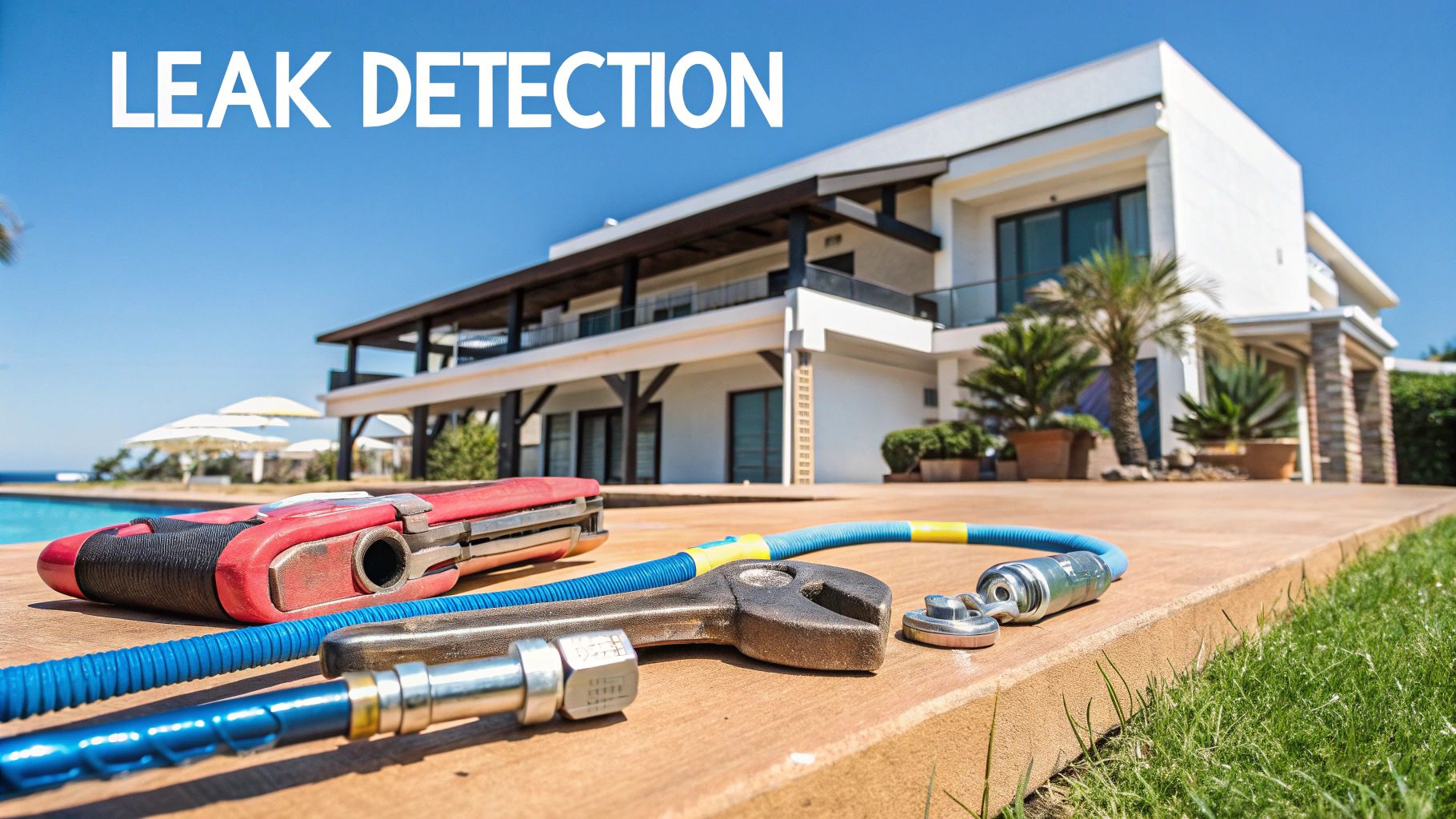
Water leak detection in Surfside is not just a reactive service. It is a preventive necessity shaped by coastal weather, building design, and the way moisture behaves in seaside environments. Understanding what inspectors commonly observe in real homes helps property owners act earlier and avoid costly water damage and mold problems.
Why Water Leak Detection Is Especially Important in Surfside
Surfside properties face unique conditions that make water leaks more common—and harder to detect.
Key Environmental Factors
- Constant coastal humidity
- Salt-laden air that accelerates material breakdown
- Frequent heavy rainstorms
- Wind-driven rain during storms
- High groundwater levels in some areas
These factors mean that even small leaks can persist and spread without drying naturally.
Real-World Observation #1: Small Leaks Cause Big Damage Over Time
In many Surfside homes, the most severe water damage did not come from burst pipes or flooding. Instead, it came from slow, unnoticed leaks.
Common Examples
- A pinhole leak in a copper pipe behind a bathroom wall
- A loose fitting under a kitchen sink
- A slow drip from an upstairs unit into a lower condo ceiling
Because humidity stays high, these leaks do not dry out. Moisture spreads laterally through drywall, insulation, and framing, creating damage far beyond the original source.
Real-World Observation #2: Ceiling Stains Often Appear Last
Homeowners frequently believe ceiling stains indicate the start of a leak. In Surfside, inspections show the opposite.
What Inspectors Commonly Find
- Moisture present for weeks or months before staining appears
- Saturated insulation above the ceiling
- Corrosion around embedded piping
- Mold growth before visible discoloration
By the time a brown or yellow stain forms, water has already traveled extensively.
Real-World Observation #3: Window and Sliding Door Leaks Are Common
Surfside’s architecture emphasizes natural light and ocean views, resulting in large windows and sliding glass doors.
Leak Patterns Observed
- Failed window seals allowing wind-driven rain
- Water intrusion at sliding door tracks
- Deteriorated caulking due to salt exposure
These leaks often occur only during storms, making them difficult to trace without proper detection tools.
Real-World Observation #4: Salt Air Accelerates Plumbing Failures
Salt-laden air affects more than exterior surfaces—it impacts plumbing systems as well.
Observed Effects
- Accelerated corrosion of copper piping
- Pitting inside metal pipes
- Premature joint and fitting failure
In multiple Surfside properties, leak detection revealed corrosion-related leaks inside walls with no visible exterior warning signs.
Real-World Observation #5: HVAC Systems Are a Frequent Leak Source
Air conditioning systems run almost continuously in Surfside. Leak detection frequently identifies AC-related moisture issues.
Common Findings
- Clogged condensate drain lines
- Overflowing drip pans
- Condensation dripping into wall cavities
- Wet duct insulation
Because these leaks occur slowly and quietly, they often go unnoticed until mold or odor problems develop.
Real-World Observation #6: Flooring Hides Leaks Well
Flooring systems in Surfside homes often conceal moisture for long periods.
Materials Most Affected
- Engineered wood
- Laminate flooring
- Carpet padding
- Subflooring over concrete slabs
Inspectors frequently find elevated moisture readings under flooring even when the surface feels dry.
Why Coastal Humidity Makes Leak Detection More Challenging
In drier climates, small leaks may evaporate quickly. In Surfside, humidity prevents drying.
Consequences
- Moisture spreads farther
- Damage progresses faster
- Mold risk increases
- Odors develop sooner
This makes professional leak detection essential, as visual inspection alone is rarely sufficient.
How Professional Water Leak Detection Works in Surfside
Leak detection in coastal properties relies on specialized tools rather than guesswork.
1. Moisture Meters
Used to measure water content inside drywall, wood, and flooring.
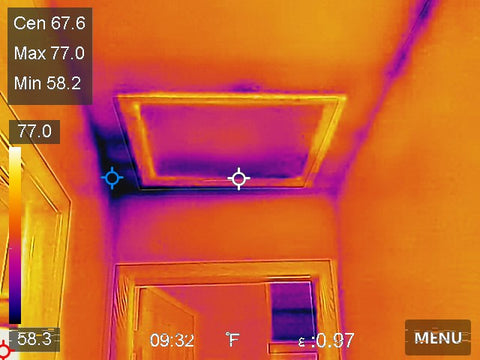
2. Thermal Imaging Cameras
Identify temperature differences caused by evaporative cooling from moisture.
3. Acoustic Listening Devices
Detect leaks inside pressurized plumbing lines.
4. Visual & Pressure Testing
Helps confirm plumbing integrity without invasive demolition.
These tools allow pinpoint accuracy, minimizing unnecessary damage during repairs.
Warning Signs That Leak Detection Is Needed Immediately
Surfside homeowners should schedule leak detection if they notice:
- Musty or damp odors
- Recurring mold spots
- Warped or buckling floors
- Persistent humidity indoors
- Unexplained water bills
- Ceiling or wall discoloration
Ignoring these signs allows damage to escalate.
High-Rise and Condo-Specific Leak Observations
Surfside has many multi-story residential buildings.
Common Condo Leak Patterns
- Water traveling vertically between units
- Balcony drainage failures
- Shared plumbing line leaks
- Rooftop membrane breakdown
Leak detection helps identify whether the source is inside the unit, above it, or within shared infrastructure.
Why DIY Leak Detection Often Fails
Homeowners sometimes attempt to locate leaks themselves, but coastal conditions make this unreliable.
DIY Limitations
- Moisture spreads beyond visible areas
- Humidity masks drying patterns
- Surface dryness hides deeper saturation
Professional detection prevents unnecessary wall removal and incomplete repairs.
The Connection Between Leak Detection and Mold Prevention
Every mold problem begins with moisture. In Surfside, undetected leaks are one of the leading causes of mold remediation.
Early Detection Benefits
- Prevents mold colonization
- Protects indoor air quality
- Reduces remediation costs
- Preserves structural integrity
Addressing leaks early avoids larger restoration projects later.
Long-Term Prevention Strategies for Surfside Homes
Routine Inspections
Annual moisture and leak assessments catch early problems.
HVAC Maintenance
Regular drain line cleaning and system inspections reduce AC-related leaks.
Window & Door Maintenance
Sealant and flashing should be checked regularly.
Plumbing Upgrades
Aging pipes may require replacement before failure occurs.
Post-Storm Checks
Leaks often appear after heavy rain and wind events.
Why Local Experience Matters
Water leak behavior in Surfside differs from inland areas due to:
- Coastal humidity
- Salt corrosion
- Wind-driven rain
- Building design focused on ocean exposure
Tip Top Water and Fire Damage Restoration has experience identifying leak patterns unique to Surfside properties, allowing faster diagnosis and more effective repairs.
Financial Impact of Delayed Leak Detection
When leaks go undetected, homeowners may face:
- Mold remediation costs
- Flooring replacement
- Drywall removal
- Structural repairs
- Increased insurance claims
Early detection significantly reduces these expenses.
Final Thoughts
Water leak detection in Surfside is not just about finding water—it is about understanding how coastal conditions influence where leaks start, how they spread, and why they persist. Real-world observations from local properties show that most serious damage begins with small, hidden leaks that went unnoticed due to humidity and building design.
By investing in professional leak detection, Surfside homeowners protect their property, preserve indoor air quality, and prevent minor moisture issues from becoming major restoration projects. In a coastal environment where water is always present in the air, proactive leak detection is one of the smartest maintenance decisions a property owner can make.
Article Generation Feedback
You’re viewing user-generated content that may be unverified or unsafe.Report

Water Leak Detection in Surfside: Real-World Observations from Local Properties
Living in Surfside means enjoying coastal views, ocean breezes, and a close-knit residential atmosphere. However, Surfside’s proximity to the ocean and Biscayne Bay also places local homes and condos in one of South Florida’s most moisture-prone environments. Over the years, real-world inspections across Surfside properties reveal a consistent truth: water leaks rarely start as emergencies—they start quietly, hidden behind walls, under floors, or above ceilings.
Water leak detection in Surfside is not just a reactive service. It is a preventive necessity shaped by coastal weather, building design, and the way moisture behaves in seaside environments. Understanding what inspectors commonly observe in real homes helps property owners act earlier and avoid costly water damage and mold problems.
Why Water Leak Detection Is Especially Important in Surfside
Surfside properties face unique conditions that make water leaks more common—and harder to detect.
Key Environmental Factors
- Constant coastal humidity
- Salt-laden air that accelerates material breakdown
- Frequent heavy rainstorms
- Wind-driven rain during storms
- High groundwater levels in some areas
These factors mean that even small leaks can persist and spread without drying naturally.
Real-World Observation #1: Small Leaks Cause Big Damage Over Time
In many Surfside homes, the most severe water damage did not come from burst pipes or flooding. Instead, it came from slow, unnoticed leaks.
Common Examples
- A pinhole leak in a copper pipe behind a bathroom wall
- A loose fitting under a kitchen sink
- A slow drip from an upstairs unit into a lower condo ceiling
Because humidity stays high, these leaks do not dry out. Moisture spreads laterally through drywall, insulation, and framing, creating damage far beyond the original source.
Real-World Observation #2: Ceiling Stains Often Appear Last
Homeowners frequently believe ceiling stains indicate the start of a leak. In Surfside, inspections show the opposite.
What Inspectors Commonly Find
- Moisture present for weeks or months before staining appears
- Saturated insulation above the ceiling
- Corrosion around embedded piping
- Mold growth before visible discoloration
By the time a brown or yellow stain forms, water has already traveled extensively.
Real-World Observation #3: Window and Sliding Door Leaks Are Common
Surfside’s architecture emphasizes natural light and ocean views, resulting in large windows and sliding glass doors.
Leak Patterns Observed
- Failed window seals allowing wind-driven rain
- Water intrusion at sliding door tracks
- Deteriorated caulking due to salt exposure
These leaks often occur only during storms, making them difficult to trace without proper detection tools.
Real-World Observation #4: Salt Air Accelerates Plumbing Failures
Salt-laden air affects more than exterior surfaces—it impacts plumbing systems as well.
Observed Effects
- Accelerated corrosion of copper piping
- Pitting inside metal pipes
- Premature joint and fitting failure
In multiple Surfside properties, leak detection revealed corrosion-related leaks inside walls with no visible exterior warning signs.
Real-World Observation #5: HVAC Systems Are a Frequent Leak Source
Air conditioning systems run almost continuously in Surfside. Leak detection frequently identifies AC-related moisture issues.
Common Findings
- Clogged condensate drain lines
- Overflowing drip pans
- Condensation dripping into wall cavities
- Wet duct insulation
Because these leaks occur slowly and quietly, they often go unnoticed until mold or odor problems develop.
Real-World Observation #6: Flooring Hides Leaks Well
Flooring systems in Surfside homes often conceal moisture for long periods.
Materials Most Affected
- Engineered wood
- Laminate flooring
- Carpet padding
- Subflooring over concrete slabs
Inspectors frequently find elevated moisture readings under flooring even when the surface feels dry.
Why Coastal Humidity Makes Leak Detection More Challenging
In drier climates, small leaks may evaporate quickly. In Surfside, humidity prevents drying.
Consequences
- Moisture spreads farther
- Damage progresses faster
- Mold risk increases
- Odors develop sooner
This makes professional leak detection essential, as visual inspection alone is rarely sufficient.
How Professional Water Leak Detection Works in Surfside
Leak detection in coastal properties relies on specialized tools rather than guesswork.
1. Moisture Meters
Used to measure water content inside drywall, wood, and flooring.
2. Thermal Imaging Cameras
Identify temperature differences caused by evaporative cooling from moisture.
3. Acoustic Listening Devices
Detect leaks inside pressurized plumbing lines.
4. Visual & Pressure Testing
Helps confirm plumbing integrity without invasive demolition.
These tools allow pinpoint accuracy, minimizing unnecessary damage during repairs.
Warning Signs That Leak Detection Is Needed Immediately
Surfside homeowners should schedule leak detection if they notice:
- Musty or damp odors
- Recurring mold spots
- Warped or buckling floors
- Persistent humidity indoors
- Unexplained water bills
- Ceiling or wall discoloration
Ignoring these signs allows damage to escalate.
High-Rise and Condo-Specific Leak Observations
Surfside has many multi-story residential buildings.
Common Condo Leak Patterns
- Water traveling vertically between units
- Balcony drainage failures
- Shared plumbing line leaks
- Rooftop membrane breakdown
Leak detection helps identify whether the source is inside the unit, above it, or within shared infrastructure.
Why DIY Leak Detection Often Fails
Homeowners sometimes attempt to locate leaks themselves, but coastal conditions make this unreliable.
DIY Limitations
- Moisture spreads beyond visible areas
- Humidity masks drying patterns
- Surface dryness hides deeper saturation
Professional detection prevents unnecessary wall removal and incomplete repairs.
The Connection Between Leak Detection and Mold Prevention
Every mold problem begins with moisture. In Surfside, undetected leaks are one of the leading causes of mold remediation.
Early Detection Benefits
- Prevents mold colonization
- Protects indoor air quality
- Reduces remediation costs
- Preserves structural integrity
Addressing leaks early avoids larger restoration projects later.
Long-Term Prevention Strategies for Surfside Homes
Routine Inspections
Annual moisture and leak assessments catch early problems.
HVAC Maintenance
Regular drain line cleaning and system inspections reduce AC-related leaks.
Window & Door Maintenance
Sealant and flashing should be checked regularly.
Plumbing Upgrades
Aging pipes may require replacement before failure occurs.
Post-Storm Checks
Leaks often appear after heavy rain and wind events.
Why Local Experience Matters
Water leak behavior in Surfside differs from inland areas due to:
- Coastal humidity
- Salt corrosion
- Wind-driven rain
- Building design focused on ocean exposure
Tip Top Water and Fire Damage Restoration has experience identifying leak patterns unique to Surfside properties, allowing faster diagnosis and more effective repairs.
Financial Impact of Delayed Leak Detection
When leaks go undetected, homeowners may face:
- Mold remediation costs
- Flooring replacement
- Drywall removal
- Structural repairs
- Increased insurance claims
Early detection significantly reduces these expenses.
Final Thoughts
Water leak detection in Surfside is not just about finding water—it is about understanding how coastal conditions influence where leaks start, how they spread, and why they persist. Real-world observations from local properties show that most serious damage begins with small, hidden leaks that went unnoticed due to humidity and building design.
By investing in professional leak detection, Surfside homeowners protect their property, preserve indoor air quality, and prevent minor moisture issues from becoming major restoration projects. In a coastal environment where water is always present in the air, proactive leak detection is one of the smartest maintenance decisions a property owner can make.