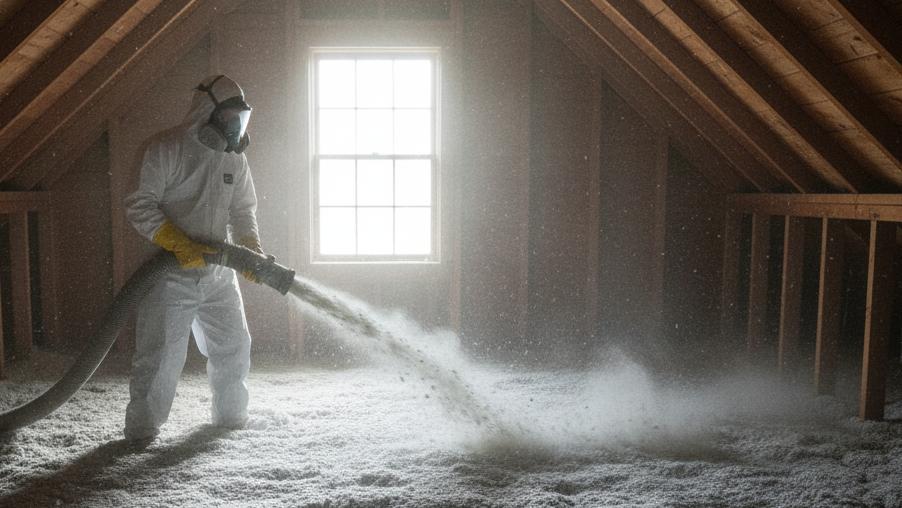
How Coastal Weather Influences Mold Removal in Bayfront Homes in North Miami
Living in a bayfront home in North Miami offers beautiful views and coastal breezes, but the same environment that makes waterfront living appealing also creates ideal conditions for mold growth. Coastal weather—particularly humidity, heat, salt air, and seasonal storms—plays a major role in how mold develops, spreads, and is removed.
For homeowners and property managers, understanding how these environmental factors influence mold removal helps set realistic expectations and ensures that remediation is done thoroughly to prevent recurring problems.
What Mold Problems in Bayfront Homes Typically Involve
Mold develops when moisture remains on organic materials such as drywall, wood, carpet, or insulation. In coastal homes, moisture can come from multiple sources, including leaks, condensation, or humid air entering the structure.
Once mold begins growing, it can spread quickly, especially in areas with limited ventilation. Mold removal becomes necessary not only to eliminate visible contamination but also to address hidden moisture that allows mold to return.
The Role of Humidity in Mold Growth and Removal
Humidity is one of the most significant factors affecting mold in North Miami bayfront homes. Even when no obvious leaks are present, high indoor humidity can allow mold to develop on walls, ceilings, and inside HVAC systems.
Humidity affects mold removal in several ways:
- Materials take longer to dry
- Mold spores remain active longer
- Odors persist if moisture is not fully removed
- Drying equipment must operate longer
In coastal environments, maintaining low indoor humidity is often as important as removing the mold itself.
How Warm Temperatures Accelerate Mold Problems
Warm temperatures, which are common year-round in South Florida, accelerate mold growth. When combined with moisture, heat creates conditions where mold can develop within a short time.
This means that even minor water exposure—such as condensation or a slow leak—can lead to contamination if drying is delayed. During mold removal, technicians must ensure that drying is complete, as warm indoor conditions can allow mold to return quickly if moisture remains.
Storms, Heavy Rain, and Water Intrusion
Seasonal storms and heavy rain are another major factor influencing mold problems in bayfront homes. Wind-driven rain can enter through small openings in roofs, windows, or exterior walls. Flooding and storm surge can also introduce moisture into flooring and structural materials.
After storms, mold removal often becomes necessary because:
- Water enters hidden structural areas
- Insulation becomes saturated
- Moisture remains trapped behind drywall
- Drying takes longer in humid air
Homes near Biscayne Bay are particularly vulnerable because of their exposure to coastal weather patterns.
Salt Air and Its Impact on Buildings
Salt air is an often-overlooked factor in coastal mold problems. Over time, salt particles in the air can affect building materials, seals, and HVAC components. This can lead to small openings where moisture enters or accumulates.
Salt exposure can contribute to:
- Deterioration of window seals
- Corrosion of HVAC components
- Increased condensation in ducts
- Reduced efficiency of ventilation systems
These conditions create environments where mold can develop even without major leaks.
Common Signs Mold Is Developing in Coastal Homes
Homeowners in North Miami bayfront properties often notice early signs before visible mold spreads.
Typical warning signs include:
- Musty odors in certain rooms
- Dark spots on walls or ceilings
- Paint peeling or bubbling
- Increased indoor humidity
- Condensation on vents or windows
These signs often indicate hidden moisture, which is the primary cause of mold growth.
Hidden Areas Where Mold Often Develops
Coastal weather conditions cause moisture to accumulate in areas that are rarely inspected.
Common hidden locations include:
- Attic insulation
- Wall cavities behind drywall
- Air ducts and vents
- Beneath carpets and padding
- Closets and storage spaces
Because airflow is limited in these areas, moisture may remain trapped long enough for mold to develop.
Why Mold Removal Is More Complex in Coastal Climates
Mold removal in coastal environments often requires more time and attention than in drier climates. Drying equipment may need to run longer, and additional moisture detection is usually necessary to ensure the structure is fully dry.
Challenges in coastal mold removal include:
- Slower drying times
- Higher baseline humidity
- Hidden moisture in structural materials
- Increased risk of mold returning
Proper remediation focuses not only on removing mold but also on controlling humidity and moisture sources.
The Mold Removal Process Explained
Professional mold removal follows a systematic process designed to eliminate contamination and prevent recurrence.
1. Inspection and Moisture Detection
Technicians identify affected areas and locate moisture sources using specialized equipment.
2. Containment of Affected Areas
Containment prevents mold spores from spreading to other parts of the home during removal.
3. Removal of Contaminated Materials
Severely affected drywall, insulation, or carpeting may be removed if necessary.
4. Cleaning and Treatment
Surfaces are cleaned and treated to remove remaining mold and spores.
5. Drying and Dehumidification
Professional drying equipment removes moisture from structural materials.
6. Final Moisture Verification
Moisture levels are checked to confirm the area is dry and safe.
Tip Top Water and Fire Damage Restoration regularly performs these steps in North Miami and surrounding bayfront communities, where humidity requires careful drying and monitoring.
The Importance of HVAC and Air Duct Inspection
Air conditioning systems play a major role in indoor humidity control, but they can also contribute to mold problems if condensation accumulates.
During mold removal, technicians often inspect:
- Air ducts and vents
- Drain lines and condensate pans
- Air handlers
- Insulated ductwork
Cleaning and maintaining HVAC systems helps prevent mold spores from circulating throughout the home.
Preventing Mold in Bayfront Homes
Long-term mold prevention in coastal environments requires ongoing maintenance and moisture control.
Helpful preventive steps include:
- Repair leaks promptly
- Maintain indoor humidity levels
- Service air conditioning systems regularly
- Improve ventilation in enclosed spaces
- Inspect roofs and ceilings after storms
These steps help reduce conditions that allow mold to grow.
Why Local Experience Matters
Mold removal in coastal South Florida requires an understanding of how weather patterns and humidity affect buildings. Homes in North Miami, Biscayne Park, Miami Shores, and Bal Harbour often experience slower drying times and higher moisture levels than inland properties.
Professionals familiar with local conditions understand:
- Where moisture is most likely to accumulate
- How coastal weather affects building materials
- How to manage humidity effectively
- How long drying realistically takes
Tip Top Water and Fire Damage Restoration has worked extensively in these coastal neighborhoods, where environmental conditions play a major role in mold problems and their solutions.
A Calm, Practical Next Step
Coastal weather is unavoidable, but mold problems are not. Early inspection, proper moisture control, and thorough mold removal help prevent recurring issues and protect both property and indoor air quality.
For homeowners in bayfront homes in North Miami, understanding how humidity, storms, and salt air influence mold growth is the first step toward long-term protection. With the right approach, mold removal can be effective, and future problems can be minimized.