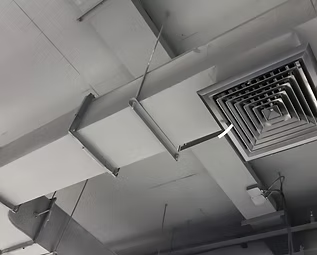
Why Indoor Air Quality Improvement Becomes Necessary in Biscayne Park in Rental Properties
Maintaining a healthy indoor environment in rental properties is one of the most critical responsibilities of landlords, especially in Biscayne Park, where subtropical heat, high humidity, and occasional storms combine to create conditions conducive to poor indoor air quality. Indoor air quality (IAQ) directly affects tenant health, property value, and the long-term durability of building systems. In rental properties, where tenants may have varying habits and levels of care, IAQ management becomes both a legal and practical necessity.
For many landlords, the importance of proactive IAQ improvement is often underestimated. Problems such as mold growth, dust accumulation, and HVAC inefficiency can quietly degrade air quality, leading to tenant complaints, health issues, and potential liability. This guide explores why IAQ improvement is essential in rental properties, common causes of poor air quality, professional solutions, and preventive strategies for property owners in Biscayne Park.
Understanding Indoor Air Quality in Coastal Rental Properties
Indoor air quality refers to the cleanliness and healthfulness of the air inside a building. In rental homes, IAQ is influenced by:
- Humidity Levels: High humidity promotes mold growth and dust mites.
- Ventilation: Poor airflow traps contaminants indoors.
- Building Materials: Older homes may contain materials that off-gas volatile organic compounds (VOCs).
- Occupant Behavior: Smoking, cooking, cleaning chemicals, and pets contribute to airborne pollutants.
In coastal areas like Biscayne Park, these factors are exacerbated by environmental conditions, making IAQ improvement a priority for rental properties.
Why IAQ Improvement is Critical in Rental Properties
1. Tenant Health and Safety
Poor indoor air quality can trigger or worsen respiratory conditions such as asthma, allergies, and chronic bronchitis. Common issues include:
- Mold and mildew spores
- Dust, pet dander, and pollen
- Volatile organic compounds from paints, cleaning agents, and flooring
- Bacteria and viruses circulating through HVAC systems
Landlords have a legal and ethical obligation to provide safe living conditions. Ignoring IAQ can lead to tenant health complaints, liability claims, and potential legal action.
2. Preservation of Property Value
Airborne contaminants, excessive humidity, and mold can cause structural damage over time. Wooden floors, drywall, and insulation are particularly vulnerable in humid environments. Regular IAQ improvement prevents material degradation, maintaining the property’s market value and reducing long-term repair costs.
3. Tenant Retention
Healthy indoor air increases tenant satisfaction and retention. Homes with clean, well-ventilated air are more attractive and reduce complaints, minimizing turnover and vacancy periods.
4. Compliance with Regulations
Local housing codes and lease agreements may require landlords to maintain safe and habitable conditions. Proper IAQ management helps ensure compliance and protects landlords from regulatory penalties.
Common Causes of Poor IAQ in Biscayne Park Rentals
1. HVAC System Inefficiency
Older HVAC systems or poorly maintained units accumulate dust, mold, and debris, which are circulated throughout the property. Clogged filters, dirty coils, and leaking ducts exacerbate indoor air contamination.
2. Moisture and Mold
High humidity, combined with minor leaks or condensation, creates a perfect environment for mold growth. In rental properties, tenants may not report small leaks promptly, allowing hidden mold to develop behind walls or under flooring.
3. Poor Ventilation
Bathrooms, kitchens, and laundry areas with insufficient exhaust fans trap moisture and contaminants. Lack of proper airflow can lead to stale air and the accumulation of allergens.
4. Tenant Activities
Smoking indoors, use of harsh cleaning chemicals, and inadequate maintenance of appliances contribute to airborne pollutants.
5. Environmental Factors
Biscayne Park’s subtropical climate introduces high humidity, pollen, and occasional storm-related water intrusion, all of which can compromise indoor air quality.
Professional Solutions for IAQ Improvement
1. HVAC Inspection and Maintenance
Regular inspection of HVAC systems ensures optimal performance:
- Clean and replace air filters
- Inspect and clean ductwork
- Check for condensation or leaks
- Test airflow and temperature consistency
A well-maintained HVAC system reduces contaminants and improves airflow throughout the property.
2. Moisture Control and Mold Remediation
Identifying and eliminating moisture sources is critical:
- Repair leaks in plumbing, roofs, and windows
- Use dehumidifiers in high-humidity areas
- Perform mold inspections and remediation as needed
Addressing moisture prevents mold growth, a major contributor to poor IAQ.
3. Air Filtration and Purification
High-efficiency particulate air (HEPA) filters, UV air purifiers, and activated carbon systems remove airborne contaminants, including:
- Dust and pollen
- Mold spores
- VOCs and chemical fumes
- Bacteria and viruses
These systems improve overall air quality and reduce tenant health complaints.
4. Ventilation Improvements
Enhancing natural and mechanical ventilation helps:
- Remove stale, contaminated air
- Reduce humidity
- Introduce fresh, outdoor air
Upgrading exhaust fans in bathrooms and kitchens or installing energy recovery ventilators (ERVs) can significantly improve IAQ.
5. Regular Inspections and Monitoring
Routine IAQ assessments identify issues before they become severe. Homeowners can track humidity levels, air quality index (AQI), and HVAC performance using modern monitoring tools.
Preventive Strategies for Landlords
To maintain healthy indoor air in rental properties:
- Schedule Routine HVAC Maintenance: Semi-annual inspections prevent dust accumulation and mold in ducts.
- Implement Moisture Management: Use dehumidifiers and repair leaks promptly.
- Educate Tenants: Encourage proper ventilation, reporting of water issues, and responsible use of chemicals.
- Use Air Purification Systems: Install HEPA or UV systems in units with high occupancy or older construction.
- Inspect Common Areas: Laundry rooms, basements, and utility spaces require special attention due to frequent moisture and limited ventilation.
- Document Maintenance: Keep detailed records of inspections, cleanings, and tenant communications to demonstrate diligence and compliance.
Challenges Specific to Coastal Rental Properties
- High Year-Round Humidity: Increases risk of condensation and mold growth.
- Salt Air Corrosion: Damages HVAC components and structural materials.
- Tenant Turnover: Frequent tenant changes can obscure early signs of IAQ issues.
- Older Construction: Aging properties may lack modern moisture barriers or proper ventilation, making IAQ management more complex.
Health and Financial Implications of Neglecting IAQ
Failing to maintain good indoor air quality in rental properties can result in:
- Tenant complaints and potential health risks
- Expensive remediation due to mold or structural damage
- Legal liability for unsafe living conditions
- Decreased property value and rental appeal
Proactive IAQ management not only protects tenants but also safeguards landlords from financial and legal consequences.
Conclusion
Indoor air quality improvement is a critical aspect of property management in Biscayne Park rental properties. Coastal humidity, aging HVAC systems, and tenant behavior create a complex environment that requires diligent monitoring, professional intervention, and preventive maintenance.
Landlords who invest in IAQ improvement protect their tenants’ health, preserve property value, and ensure long-term sustainability of their rental investments. By understanding the common causes of poor air quality, engaging professional services, and implementing preventive strategies, rental property owners can create safer, healthier, and more desirable living spaces, mitigating risks associated with poor indoor air quality in coastal Florida homes.