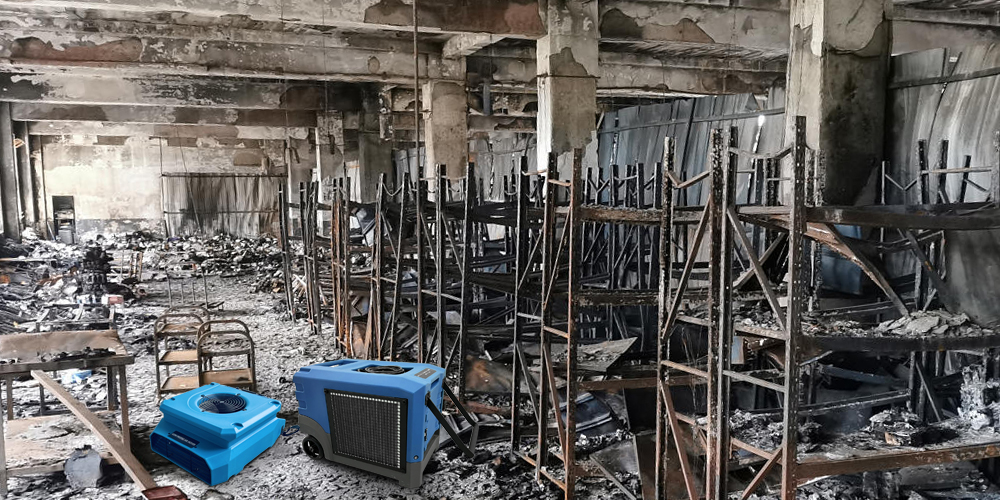
When Homes Require Fire Damage Restoration in Surfside
Fire damage is one of the most serious events a homeowner can face, but in many cases the damage goes beyond what is visible. In Surfside, homes and condominiums affected by fire often require restoration not only because of burned materials, but also because of smoke residue, water from firefighting efforts, and lingering moisture in walls and ceilings.
Coastal conditions near Biscayne Bay add another layer of complexity. Humidity, salt air, and warm temperatures can slow drying and cause odors or corrosion to worsen if restoration is delayed. Understanding when fire damage restoration becomes necessary helps property owners act quickly and prevent long-term structural and air-quality problems.
What Fire Damage Restoration Really Involves
Fire damage restoration is the process of cleaning, repairing, and restoring a property after a fire. It includes addressing several types of damage:
- Burned or charred structural materials
- Smoke residue and soot deposits
- Odors embedded in surfaces
- Water damage from firefighting efforts
- Moisture trapped in walls and flooring
Even a small kitchen or electrical fire can affect multiple rooms because smoke and heat travel through air currents and ventilation systems.
Why Restoration Is Often Necessary Even After Small Fires
In Surfside homes, many restoration projects begin after relatively minor fires. Homeowners sometimes believe cleaning visible soot is enough, but smoke particles are extremely fine and often penetrate porous materials.
Restoration becomes necessary because:
- Smoke residue spreads into unseen areas
- Odors embed in drywall, fabrics, and insulation
- HVAC systems circulate contaminated air
- Moisture from firefighting saturates materials
Without proper restoration, these issues can persist long after the fire is extinguished.
Common Causes of Residential Fires in Coastal Homes
Real-world observations in Surfside and nearby areas such as Bal Harbour and North Miami Beach show that residential fires often begin in predictable ways.
Frequent causes include:
- Kitchen cooking incidents
- Electrical malfunctions
- Appliance failures
- Overloaded circuits
- Candles or space heaters
Regardless of the cause, the damage pattern is often similar: smoke spreads far beyond the original fire area, and moisture from suppression efforts affects surrounding rooms.
Early Signs That Fire Damage Is More Extensive Than It Appears
After a fire, some damage may not be obvious immediately. Homeowners often notice signs that indicate restoration is necessary.
Common indicators include:
- Persistent smoky odors
- Yellow or gray staining on walls or ceilings
- Soot buildup near vents or light fixtures
- Warped or damp drywall
- Lingering humidity indoors
These signs suggest that smoke residue or moisture remains trapped in materials.
Hidden Areas Where Smoke and Moisture Collect
One of the most important reasons professional restoration is necessary is that smoke and moisture frequently reach concealed spaces.
During restoration work in Surfside homes, contamination is often found in:
- Air ducts and ventilation systems
- Attic insulation
- Behind drywall and paneling
- Beneath flooring materials
- Inside closets and cabinets
Because these areas are not visible, odors and damage may persist if they are not cleaned and dried properly.
The Impact of Coastal Humidity on Fire Damage
Coastal weather plays a significant role in how fire damage behaves. In humid environments, soot particles absorb moisture, making odors stronger and more difficult to remove.
Humidity can also:
- Slow drying after firefighting efforts
- Allow odors to reappear
- Increase the risk of mold growth in damp areas
- Cause corrosion in metal fixtures and HVAC components
These conditions make thorough drying and cleaning essential in coastal homes.
Why DIY Cleanup Often Falls Short
After small fires, homeowners sometimes attempt to clean soot using household products. While this may improve appearance temporarily, it rarely eliminates the deeper effects of smoke and moisture.
DIY cleanup often fails because:
- Smoke particles remain embedded in materials
- Odors return after a few days
- HVAC systems remain contaminated
- Moisture inside walls is not removed
Professional restoration equipment and methods are designed to address these hidden issues.
The Fire Damage Restoration Process Explained
Professional restoration follows a structured process to return a property to safe and livable condition.
1. Inspection and Assessment
Technicians evaluate the extent of fire, smoke, and water damage, including hidden areas.
2. Removal of Damaged Materials
Severely burned or contaminated materials may be removed to prevent ongoing odors or deterioration.
3. Smoke and Soot Cleaning
Specialized cleaning methods remove soot from walls, ceilings, and structural components.
4. Odor Removal and Air Filtration
Air filtration equipment helps remove airborne particles and reduce lingering odors.
5. Drying and Dehumidification
Moisture from firefighting efforts is removed to prevent mold growth and structural damage.
6. Repairs and Restoration
Once the structure is clean and dry, repairs restore the home to its original condition.
Tip Top Water and Fire Damage Restoration regularly performs these steps in Surfside and nearby coastal communities, where humidity makes thorough drying especially important.
The Role of HVAC Systems After a Fire
Air conditioning systems often circulate smoke particles throughout a home, especially if the system was running during or after the fire.
During restoration, technicians typically inspect:
- Air ducts and vents
- Air handlers and filters
- Insulated ductwork
- Ventilation pathways
Cleaning HVAC systems helps prevent odors and improves indoor air quality.
Water Damage After Firefighting
One of the most overlooked aspects of fire damage is the water used to extinguish the fire. Even small fires can leave behind significant moisture.
Water damage may affect:
- Flooring and subfloors
- Drywall and insulation
- Cabinets and built-in fixtures
If moisture is not removed completely, mold growth may develop later, making drying a critical part of restoration.
Preventing Long-Term Problems After a Fire
Once restoration is complete, preventive maintenance helps reduce the risk of future issues.
Helpful steps include:
- Inspect electrical systems regularly
- Maintain appliances and wiring
- Service HVAC systems
- Monitor humidity levels indoors
- Address any lingering odors or stains promptly
Early attention to small concerns helps prevent larger restoration needs later.
Why Local Experience Matters
Fire damage restoration in coastal South Florida requires an understanding of humidity, building materials, and ventilation systems. Homes in Surfside often experience slower drying times and stronger odor retention than inland properties.
Professionals familiar with Surfside, North Miami, Bal Harbour, and Biscayne Park understand:
- How coastal humidity affects soot and odors
- Where smoke residue is most likely to remain
- How long drying realistically takes
- How to prevent mold after firefighting water exposure
Tip Top Water and Fire Damage Restoration has worked extensively in these communities, where restoration often involves both smoke cleanup and moisture control.
A Calm, Practical Next Step
Fire damage can feel overwhelming, but restoration is a structured process designed to return a home to safe, livable condition. Acting quickly after a fire helps prevent odors, moisture problems, and long-term structural damage.
For homeowners in Surfside, early inspection and professional restoration are the most effective ways to ensure that smoke, soot, and moisture do not create lasting problems.