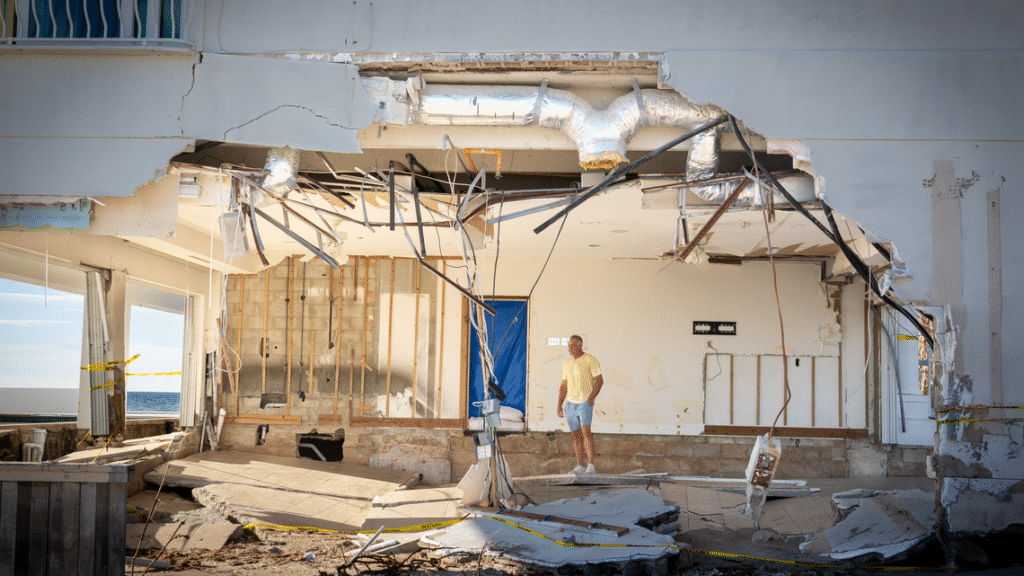
Flood Restoration in Sunny Isles Beach: What Homeowners Often Overlook
Flooding in coastal areas such as Sunny Isles Beach is a common yet often underestimated problem. Seasonal storms, high tides, and heavy rainfall can quickly overwhelm drainage systems, allowing water to infiltrate homes. While homeowners often focus on visible damage, many critical aspects of flood restoration are overlooked. Ignoring these can lead to structural issues, mold growth, compromised indoor air quality, and escalating repair costs.
Understanding the flood restoration process, recognizing hidden problems, and implementing preventive strategies are essential for preserving property value and maintaining safe living conditions in Sunny Isles Beach. This guide delves into overlooked aspects of flood restoration, providing practical insights for homeowners in coastal properties.
Why Flood Restoration Is Critical
Even minor flooding can have severe long-term consequences:
- Structural Damage: Water can weaken flooring, drywall, insulation, and foundations, especially in older homes.
- Mold and Mildew: Moisture left behind after flooding promotes mold growth within 24–48 hours, affecting indoor air quality and health.
- Electrical and HVAC Damage: Floodwater can infiltrate electrical systems and HVAC units, posing safety hazards.
- Decreased Property Value: Untreated water damage can reduce the market value and appeal of a home.
Homeowners often focus on drying visible surfaces, overlooking hidden moisture in walls, crawl spaces, and attics, which can lead to recurring problems.
Environmental Challenges in Sunny Isles Beach
1. Coastal Humidity
Sunny Isles Beach experiences year-round high humidity, often exceeding 70%. Elevated moisture levels increase the risk of condensation, water absorption into building materials, and accelerated mold growth.
2. Storm-Related Water Intrusion
Hurricanes, tropical storms, and heavy seasonal rains can force water into homes through doors, windows, and foundations. Even short-term flooding can saturate walls, flooring, and insulation.
3. Saltwater Exposure
Coastal homes face the additional challenge of salt-laden water, which can corrode metals, HVAC components, and fasteners. Saltwater intrusion also complicates restoration efforts, as it requires more extensive cleaning and neutralization.
Commonly Overlooked Aspects of Flood Restoration
1. Hidden Moisture in Walls and Flooring
Water often seeps into wall cavities, baseboards, and under flooring. Homeowners may dry visible surfaces but leave behind trapped moisture, creating ideal conditions for mold growth.
2. Attics and Crawl Spaces
Attics and crawlspaces frequently retain moisture after flooding. Poor ventilation, combined with high humidity, makes these areas susceptible to hidden mold and structural damage.
3. HVAC Systems
Air conditioning and ventilation systems can become contaminated with floodwater or mold spores. Overlooked ductwork or air handlers can spread spores throughout the home, reducing indoor air quality and posing health risks.
4. Electrical Systems
Water can infiltrate outlets, breaker panels, and appliances. Homeowners may overlook these hazards, risking electrical short circuits, fires, or appliance failure.
5. Contents and Personal Property
Furniture, carpeting, and personal items can absorb water quickly. Without proper extraction and drying, these items may harbor mold or be permanently damaged.
Professional Flood Restoration Process
1. Rapid Water Removal
Industrial pumps and wet/dry vacuums remove standing water. Prompt removal reduces structural damage and the risk of mold formation.
2. Inspection and Moisture Detection
Technicians use moisture meters, thermal imaging, and hygrometers to identify hidden water in walls, floors, and ceilings. This ensures comprehensive drying.
3. Drying and Dehumidification
Air movers and dehumidifiers are used to remove residual moisture. Continuous monitoring guarantees that all areas reach safe moisture levels, preventing mold regrowth.
4. Mold Prevention and Remediation
Even minor flooding can trigger mold growth. Professionals apply antimicrobial treatments, clean affected surfaces, and remove unsalvageable materials to prevent contamination.
5. Structural Repairs
Restoration includes repairing or replacing damaged drywall, insulation, flooring, and other structural components. This ensures the home is safe, functional, and aesthetically restored.
6. HVAC Cleaning and Restoration
Ductwork, vents, and air handlers are inspected and cleaned to prevent airborne mold and maintain indoor air quality. Salt corrosion is addressed where necessary.
Preventive Strategies for Homeowners
To reduce the risk of damage and simplify future flood restoration:
- Regular Roof and Gutter Maintenance: Clean and inspect for leaks and blockages.
- Upgrade Drainage Systems: Ensure proper grading and install drainage to direct water away from foundations.
- Monitor Indoor Humidity: Use dehumidifiers and maintain humidity below 55%.
- Inspect HVAC Systems: Check for condensation, leaks, and potential flood damage.
- Flood Barriers and Sealants: Install temporary or permanent barriers at doors and windows and apply water-resistant coatings to vulnerable areas.
- Emergency Plan: Have a flood response plan for rapid water removal and restoration to minimize damage.
Challenges Unique to Coastal Properties
- High Humidity Year-Round: Makes complete drying more difficult and prolongs restoration timelines.
- Salt Air Exposure: Accelerates corrosion and damages materials that contact floodwater.
- Older Construction Materials: Older homes may absorb water more easily and have hidden voids where moisture lingers.
- Storm Frequency: Seasonal storms increase the likelihood of repeated flooding, requiring robust preventive strategies.
Professional expertise is critical to manage these challenges effectively and prevent recurring damage.
Health and Financial Implications of Neglect
Ignoring flood restoration can result in:
- Mold growth that compromises indoor air quality and health
- Structural degradation leading to costly repairs
- Higher insurance premiums and potential coverage disputes
- Reduced property value and attractiveness to buyers or tenants
Proper and timely restoration safeguards both the home and the occupants’ health while maintaining long-term property value.
The Importance of Local Expertise
Restoring homes in Sunny Isles Beach requires understanding local conditions:
- Coastal humidity and salt exposure
- Seasonal storms and high tides
- Construction methods unique to waterfront homes
- Local building codes and safety regulations
Companies like Tip Top Water and Fire Damage Restoration combine technical expertise with local knowledge to provide thorough, safe, and durable flood restoration solutions.
Final Thoughts
Flooding in Sunny Isles Beach is a recurring challenge for homeowners, particularly in waterfront and low-lying properties. While visible damage is often addressed, hidden moisture, HVAC contamination, and structural vulnerabilities are frequently overlooked. Professional flood restoration—including water removal, moisture detection, drying, mold prevention, and repair—is essential to fully restore homes and prevent long-term problems.
Homeowners who recognize these often-overlooked aspects, invest in professional services, and implement preventive measures will protect their homes, ensure safe living conditions, and safeguard their property investment against future flood events.