
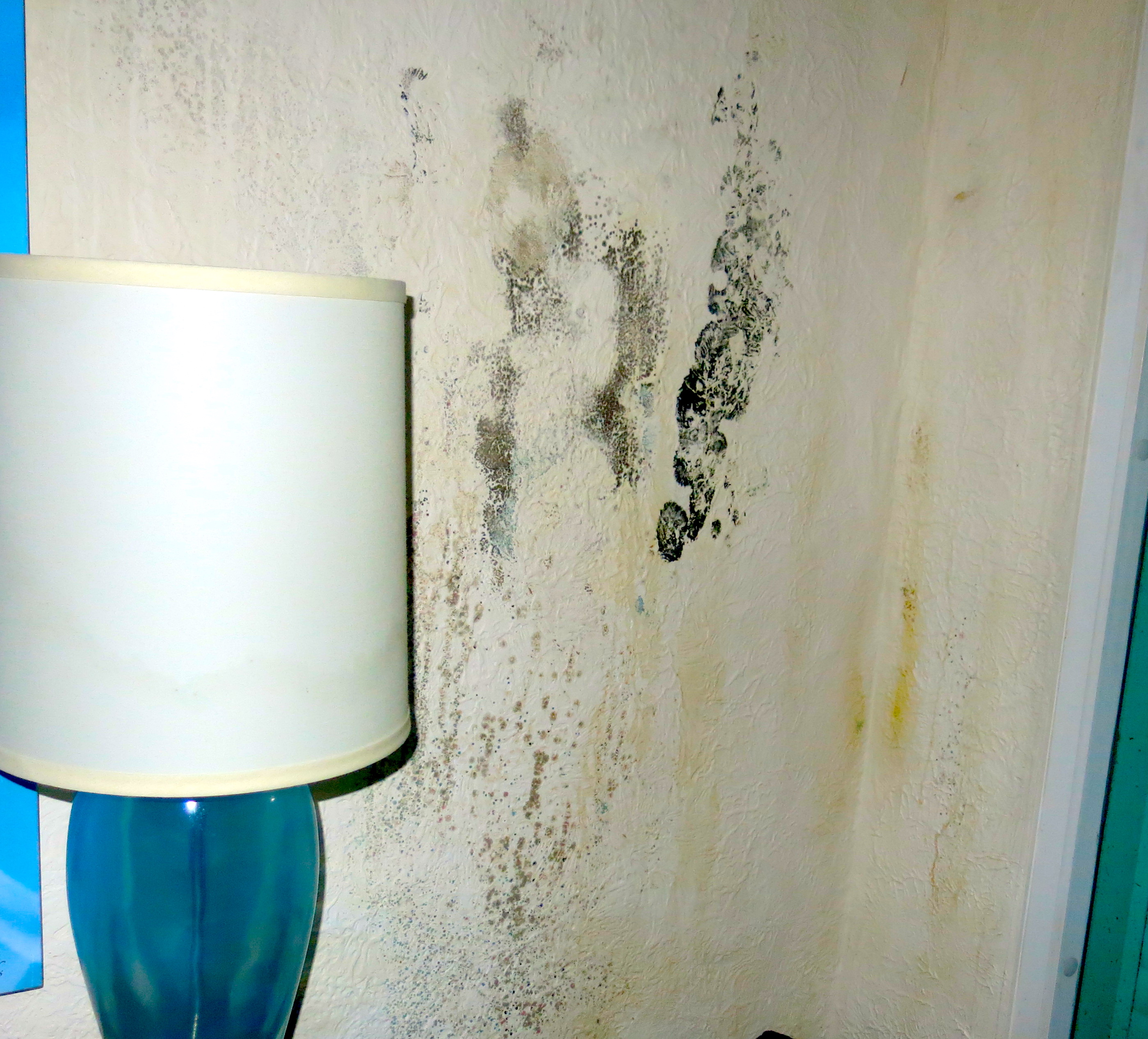
What Really Causes the Need for Mold Inspection in North Miami Beach
In North Miami Beach, mold inspections don’t usually happen because someone saw something dramatic.
They happen because something feels off.
A musty odor that won’t go away. An AC closet that always seems damp. A ceiling stain that slowly spreads after a summer storm. In this coastal environment, mold doesn’t need a major flood to develop. It only needs consistent moisture — and North Miami Beach provides plenty of that.
Understanding what truly causes the need for mold inspection helps homeowners, condo owners, landlords, and property managers address problems early instead of reacting months later.
Humidity That Never Really Leaves
North Miami Beach sits between the Atlantic Ocean and Biscayne Bay.
That means year-round humidity.
Even when it isn’t raining, outdoor air often carries 70% or higher humidity levels. When homes are tightly sealed and AC systems are constantly cycling, moisture can accumulate indoors if systems aren’t functioning properly.
When indoor humidity rises above 55–60%, it creates ideal conditions for mold growth on:
- Drywall
- Ceiling textures
- Wood trim
- Inside closets
- Duct insulation
Many mold inspections in North Miami Beach are triggered not by visible growth, but by prolonged humidity imbalance.
AC Systems Working Overtime
Air conditioning systems are central to indoor moisture control in South Florida.
When they operate continuously for months, small issues turn into big ones.
Common AC-related triggers for mold inspection include:
- Clogged condensate drain lines
- Rusted or cracked drain pans
- Poorly insulated ductwork
- Oversized systems that short cycle
- Dirty evaporator coils
When condensation doesn’t drain properly, water collects inside air handler closets and adjacent drywall.
Because these spaces are often small and poorly ventilated, mold growth can begin quickly.
In high-rise condos throughout North Miami Beach and Sunny Isles Beach, this is one of the most common inspection findings.
Water Damage That Was Never Fully Dried
Another major reason properties require mold inspection is incomplete drying after water intrusion.
Water may have entered from:
- Storm-related roof leaks
- Balcony drainage failures
- Plumbing leaks inside walls
- Flooding from an upper condo unit
If structural drying wasn’t verified with moisture meters, hidden dampness may remain inside:
- Insulation
- Wall cavities
- Subflooring
- Cabinet bases
Weeks later, musty odor develops.
At that point, mold inspection becomes necessary to determine whether microbial growth has begun.
Companies like Tip Top Water and Fire Damage Restoration often find that mold issues trace back to water damage events that seemed minor at the time.
Wind-Driven Rain During Storm Season
North Miami Beach sees intense summer storms.
Wind pushes rain horizontally into:
- Window frames
- Sliding glass doors
- Roof flashing
- Exterior wall penetrations
Even newer buildings in Aventura and Bal Harbour experience small seal failures over time.
Water intrusion may be subtle — damp drywall behind paint, soft baseboards, or staining around light fixtures.
Because humidity stays elevated long after storms pass, drying slows significantly.
Mold inspection often reveals growth inside cavities homeowners never see.
High-Rise Living and Shared Infrastructure
Condo living introduces additional risks.
In high-rise towers common throughout North Miami Beach:
- Plumbing stacks run vertically between units
- Mechanical shafts connect floors
- Shared ventilation systems circulate air
If a neighboring unit experiences water damage or mold growth, contamination can migrate.
Sometimes a homeowner requests inspection even when no water event occurred in their own unit — but odor or air quality concerns persist.
In these environments, inspection often extends beyond visible surfaces.
Slab Construction and Hidden Moisture
Many properties in North Miami Beach sit on concrete slabs.
When groundwater levels rise after heavy rain, moisture can migrate upward through small cracks or porous concrete.
Tile flooring may appear dry while subfloor materials beneath remain damp.
This slow moisture migration often goes unnoticed until mold odor develops.
Professional moisture detection tools are critical in slab-based construction.
Without inspection, hidden dampness continues feeding mold growth.
Signs That Trigger Mold Inspection
Homeowners typically schedule inspections when they notice:
- Persistent musty odor
- Dark spotting on walls or ceilings
- Bubbling or peeling paint
- Warped baseboards
- Damp carpet edges
- Increased indoor allergy-like irritation
In many cases, visible mold is minimal.
Inspection focuses on identifying moisture sources, not just confirming visible staining.
Why DIY Mold Testing Often Misleads
Home test kits are widely available.
The problem is that airborne mold spores are always present — especially in humid coastal areas.
Without professional interpretation and moisture mapping, results can be confusing or exaggerated.
Effective mold inspection includes:
- Visual evaluation
- Moisture detection
- HVAC assessment
- Strategic air or surface sampling when necessary
Testing supports findings. It doesn’t replace investigation.
The Connection Between HVAC and Indoor Air Quality
When mold develops near air handlers or inside ductwork, it affects indoor air quality.
Homeowners may notice:
- Odor when AC runs
- Increased dust
- Uneven airflow
- Damp air handler closets
Air duct cleaning may become part of remediation if contamination spreads.
Ignoring HVAC systems often leads to recurring problems.
Why Coastal Conditions Accelerate Growth
Salt air exposure in North Miami Beach contributes to corrosion of:
- Drain pans
- Plumbing fittings
- Window hardware
- Roof flashing
Corroded components fail more quickly, introducing moisture into walls and ceilings.
Humidity also slows evaporation.
In inland cities, small leaks may dry naturally.
In coastal South Florida, they linger.
That lingering moisture creates ideal mold conditions.
When Mold Inspection Prevents Bigger Repairs
Early mold inspection often prevents larger structural repairs.
Identifying moisture quickly allows:
- Targeted drying
- Limited material removal
- Correction of AC issues
- Prevention of widespread contamination
Waiting until odor intensifies or staining spreads often increases the scope of remediation.
In high-humidity climates, time matters.
Preventing the Need for Mold Inspection
While not all mold can be prevented, risk can be reduced by:
- Keeping indoor humidity below 55%
- Servicing AC systems regularly
- Flushing condensate drain lines quarterly
- Inspecting roof and window seals before storm season
- Monitoring mechanical closets for dampness
- Addressing water intrusion immediately
Preventive maintenance in North Miami Beach is more important than in drier climates.
Moisture pressure here is constant.
Why Local Experience Makes a Difference
Mold behavior in North Miami Beach differs from inland environments.
Professionals familiar with North Miami Beach, Sunny Isles Beach, Aventura, and nearby bayfront communities understand:
- Coastal humidity cycles
- Slab moisture retention
- High-rise mechanical systems
- Storm-driven intrusion patterns
- Salt air corrosion
That local knowledge improves inspection accuracy and prevents misdiagnosis.
A Practical Perspective
Mold inspection in North Miami Beach isn’t driven by fear.
It’s driven by moisture.
Humidity, AC strain, storm exposure, shared infrastructure, and coastal corrosion all contribute to hidden dampness inside properties.
When odor appears or staining develops, inspection provides clarity.
The goal isn’t simply confirming mold.
It’s identifying the moisture source and correcting it before minor problems become structural restoration projects.
In a coastal city where humidity rarely takes a break, proactive mold inspection is part of responsible property maintenance.