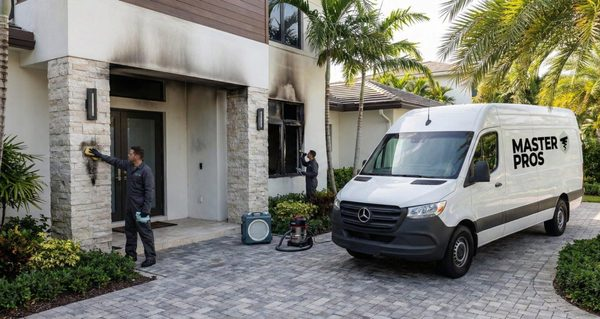
How Coastal Weather Influences Mold Inspection in North Miami Beach
Mold is a significant concern for homeowners in North Miami Beach, particularly in coastal areas. The subtropical climate, characterized by high humidity, frequent rainfall, and proximity to saltwater, creates an environment where mold thrives. Understanding how coastal weather affects mold growth and inspection is essential for property owners, landlords, and tenants who wish to maintain safe, healthy living spaces and protect property values.
Mold inspection is the first crucial step in identifying potential contamination. While many homeowners focus on visible signs of mold, coastal weather introduces complexities that make professional inspection even more necessary. From hidden water intrusion to accelerated spore proliferation, the environmental conditions of North Miami Beach require specialized techniques to detect and mitigate mold effectively.
Why Mold Inspection Is Critical in Coastal Homes
1. High Humidity Levels
North Miami Beach frequently experiences humidity levels above 70%, creating the perfect environment for mold spores to germinate and grow. Moisture accumulation in walls, ceilings, carpets, and HVAC systems can remain undetected for long periods, making mold inspection essential.
2. Frequent Rain and Storm Events
Heavy rainfall, hurricanes, and tropical storms can lead to water intrusion in homes. Roof leaks, window gaps, and flooded basements introduce moisture that supports mold growth. Mold inspection helps identify areas where water has penetrated and mold may be developing behind walls or under flooring.
3. Saltwater Exposure
Homes near the coast are subject to salt-laden air, which accelerates the deterioration of building materials. Moisture combined with salt exposure can create unique conditions where mold develops on surfaces and within HVAC systems, often in hidden areas that require professional detection.
4. Older Homes and Aging Materials
Many coastal properties were built decades ago with construction materials that retain moisture, such as wooden subfloors, porous drywall, and older insulation. Coastal weather exacerbates the susceptibility of these materials to mold growth, making thorough inspection necessary.
Common Signs of Mold That Require Professional Inspection
While mold may sometimes be visible, many forms grow hidden within structures. Homeowners should watch for:
- Musty or damp odors that persist despite cleaning
- Staining or discoloration on walls, ceilings, or baseboards
- Condensation on windows and HVAC ducts
- Warped flooring or soft spots in carpets
- Health symptoms such as coughing, sneezing, or allergy flare-ups
Coastal conditions can accelerate these signs, and early detection through inspection prevents long-term damage.
Challenges of Mold Inspection in Coastal Weather
1. Hidden Moisture
Humidity and water intrusion can allow mold to grow inside walls, under carpets, or in attics. Visual inspection alone is insufficient; professionals use moisture meters, thermal imaging cameras, and air sampling to locate hidden growth.
2. Rapid Mold Proliferation
Coastal humidity and frequent rainfall accelerate mold growth. A minor leak can result in significant contamination within 48–72 hours, requiring timely inspection to prevent spread.
3. Salt and Airborne Particles
Salt in the air can affect both building materials and inspection equipment. Inspectors must adjust their techniques to account for surface corrosion and airborne debris that may influence readings.
4. Aging Plumbing and Roofing
Older properties often have compromised waterproofing, plumbing leaks, and aging roofs that allow water to enter unnoticed. These hidden sources of moisture create challenges for standard inspection procedures.
The Professional Mold Inspection Process
1. Initial Assessment
Inspectors evaluate the property for visible mold, water stains, and moisture damage. Coastal homes often require more extensive visual surveys due to areas affected by high humidity or prior storm events.
2. Moisture Mapping
Using tools such as moisture meters and thermal cameras, inspectors identify hidden water accumulation in walls, ceilings, floors, and HVAC systems. Moisture mapping ensures all affected areas are accounted for.
3. Air and Surface Sampling
Professional mold testing involves:
- Air Sampling: Captures airborne spores for laboratory analysis to detect hidden contamination.
- Surface Sampling: Swabs, tape lifts, and bulk samples are collected from affected areas.
These tests determine mold types, concentration, and potential health risks.
4. Laboratory Analysis
Samples are analyzed to identify mold species and assess whether they are toxic, allergenic, or common indoor molds. The results inform remediation strategies tailored to the unique coastal environment.
5. Reporting and Recommendations
Inspectors provide a detailed report, including:
- Areas affected and extent of contamination
- Identified mold species and associated health risks
- Recommended remediation and preventive measures
This report guides homeowners and property managers in making informed decisions.
Preventive Strategies for Coastal Properties
To mitigate mold risks in North Miami Beach, homeowners should implement preventive strategies:
- Regular Roof and Gutter Maintenance: Ensure no leaks or blockages allow water intrusion.
- Control Indoor Humidity: Use dehumidifiers to maintain indoor humidity below 55%.
- Enhance Ventilation: Proper ventilation in bathrooms, kitchens, and attics reduces moisture buildup.
- Prompt Leak Repairs: Address plumbing, window, and roof leaks immediately.
- Periodic Professional Inspections: Regular mold inspections can detect issues before they become severe.
- Monitor HVAC Systems: Clean and inspect air ducts and filters to prevent spore distribution.
Health Implications of Neglecting Mold
Failing to conduct mold inspections in coastal homes can have serious consequences:
- Respiratory Health Risks: Increased exposure to spores may trigger asthma, allergies, and other respiratory issues.
- Property Damage: Mold can deteriorate structural components such as drywall, wood framing, and flooring.
- Odor Issues: Musty odors can linger in carpets, furniture, and HVAC systems.
- Financial Costs: Delayed detection often leads to more extensive remediation, increasing restoration costs.
Why Timely Mold Inspection Matters in Coastal Homes
- Early detection prevents minor moisture issues from escalating into widespread contamination.
- Identifies hidden mold in walls, floors, and HVAC systems that are difficult to access.
- Ensures health safety for residents, particularly in rental properties or homes with sensitive occupants.
- Reduces long-term property damage and associated repair costs.
Professional mold inspection provides a clear understanding of the home’s condition and a roadmap for effective remediation.
Conclusion
Coastal weather in North Miami Beach creates ideal conditions for mold growth due to high humidity, frequent rainfall, and salt exposure. Mold inspection is a critical first step in maintaining healthy indoor environments, preserving property value, and preventing costly damage.
By understanding how coastal conditions influence mold proliferation, employing professional inspection techniques, and implementing preventive strategies, homeowners can detect mold early, address hidden moisture, and safeguard both the health of residents and the integrity of their properties. Regular inspections and timely intervention are the keys to ensuring safe, comfortable, and durable coastal homes.