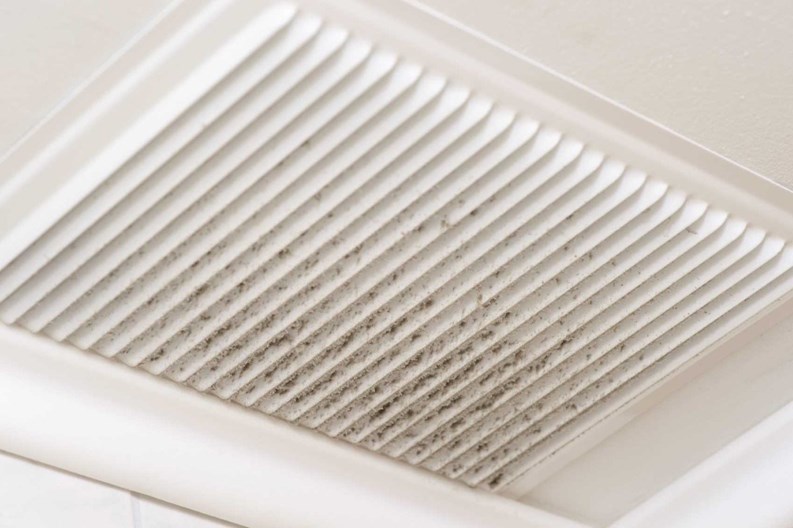
A Property Owner’s Guide to Indoor Air Quality Improvement in Sunny Isles Beach
Indoor air quality is an essential part of maintaining a comfortable and healthy home, especially in coastal communities like Sunny Isles Beach. With high humidity, frequent use of air conditioning, and exposure to coastal air, the air inside homes can sometimes accumulate moisture, dust, and airborne particles more quickly than many property owners realize.
Improving indoor air quality is not just about comfort—it also helps protect building materials, reduce moisture problems, and prevent long-term damage to HVAC systems and interiors. Understanding the causes of indoor air quality issues and how to address them can help homeowners and property managers maintain better living conditions year-round.
What Indoor Air Quality Means for Coastal Homes
Indoor air quality refers to the cleanliness, humidity level, and overall condition of the air circulating inside a building. When air quality is good, airflow is consistent, humidity is balanced, and contaminants are minimized. When problems develop, the effects are often gradual and easy to overlook.
Common factors that influence indoor air quality include:
- Humidity levels
- Ventilation and airflow
- Dust and airborne particles
- Mold or mildew growth
- Condition of HVAC systems and ductwork
- Moisture trapped in building materials
In coastal environments, humidity control plays the most significant role in maintaining healthy indoor air.
Why Indoor Air Quality Issues Are Common in Sunny Isles Beach
Homes in Sunny Isles Beach and nearby communities such as Bal Harbour, Aventura, and North Miami Beach face environmental conditions that can affect indoor air more than in inland regions.
High humidity year-round
Moist air slows drying and encourages condensation inside ducts, walls, and insulation.
Frequent air conditioning use
HVAC systems circulate air continuously, and any buildup of dust or moisture can spread throughout the home.
Salt air exposure
Coastal air can affect building materials and HVAC components over time, sometimes contributing to corrosion or deterioration.
Storms and seasonal rains
Moisture intrusion from storms or roof leaks can increase humidity and introduce contaminants.
Tightly sealed buildings
Modern construction improves energy efficiency but can limit fresh air exchange if ventilation is not balanced.
These conditions make regular maintenance and inspection important for preserving indoor air quality.
Early Signs That Indoor Air Quality Needs Attention
Indoor air quality problems often develop slowly. Property owners may notice subtle changes before serious issues arise.
Common signs include:
- Musty or stale odors
- Rooms feeling humid even when the AC is running
- Dust accumulating quickly on surfaces
- Reduced airflow from vents
- Condensation on windows or vents
- Persistent odors in closets or storage areas
These signs often indicate excess humidity or ventilation issues that should be investigated.
Hidden Sources That Affect Indoor Air Quality
Some of the most significant contributors to poor indoor air quality are not visible.
Common hidden sources include:
- Moist insulation in attics
- Condensation inside ductwork
- Damp carpet padding or subflooring
- Dirty evaporator coils in HVAC systems
- Moisture inside wall cavities
In coastal homes, humidity can migrate into enclosed spaces where airflow is limited, allowing moisture to remain unnoticed for long periods.
Why Quick Fixes Often Don’t Solve the Problem
Homeowners sometimes try air fresheners, portable filters, or surface cleaning to improve air quality. While these steps may temporarily reduce odors, they rarely address the underlying causes.
Quick fixes often fall short because:
- Moisture sources remain untreated
- HVAC systems are not inspected
- Hidden mold or dust inside ducts continues circulating
- Humidity levels remain elevated
Improving indoor air quality usually requires addressing moisture, ventilation, and airflow together.
Professional Indoor Air Quality Inspection
A professional inspection helps determine the causes of indoor air quality issues and identify areas that need attention.
A typical evaluation may include:
- Measuring humidity levels
- Inspecting HVAC systems and ductwork
- Checking for hidden moisture
- Evaluating ventilation performance
- Inspecting attics and insulation
Professionals experienced in coastal environments understand how humidity, airflow, and building materials interact. Companies such as Tip Top Water and Fire Damage Restoration often assess indoor air quality as part of a broader moisture control strategy.
Steps Involved in Improving Indoor Air Quality
Once the causes of poor air quality are identified, improvements usually involve several steps.
1. Reducing humidity levels
Ensuring the air conditioning system is functioning properly and addressing any moisture problems.
2. Cleaning HVAC components
Dust and debris buildup on coils or inside ducts can reduce airflow and circulate contaminants.
3. Removing moisture-damaged materials
Damp insulation, drywall, or carpeting may need replacement if contamination has occurred.
4. Improving ventilation
Balanced airflow helps remove stale air and maintain consistent humidity levels.
5. Drying affected areas thoroughly
Professional drying equipment may be used when moisture has accumulated.
These steps help restore healthier indoor air and prevent recurring issues.
The Role of Air Ducts in Indoor Air Quality
Air ducts are a central part of the indoor air system. If ducts contain dust, moisture, or debris, these contaminants can circulate throughout the home.
Potential duct-related concerns include:
- Dust and debris buildup
- Condensation on duct surfaces
- Mold growth in humid conditions
- Air leaks reducing efficiency
Routine inspection and cleaning, when necessary, help maintain proper airflow and reduce airborne particles.
How Water Damage Affects Indoor Air Quality
Indoor air quality often declines after water intrusion. Even minor leaks can leave moisture trapped in materials.
Common situations include:
- Roof leaks after storms
- Plumbing leaks inside walls
- AC condensate line clogs
- Minor flooding or standing water
Thorough drying and restoration are essential to prevent odors, mold growth, and long-term air quality problems.
Practical Maintenance Tips for Property Owners
Maintaining good indoor air quality does not always require major repairs. Simple preventive measures can make a significant difference.
Helpful practices include:
- Replacing HVAC filters regularly
- Scheduling annual AC maintenance
- Monitoring indoor humidity levels
- Keeping vents clean and unobstructed
- Inspecting attics and closets periodically
- Addressing leaks promptly
Routine maintenance often prevents small issues from becoming serious concerns.
Why Local Experience Matters
Indoor air quality improvement in coastal South Florida requires an understanding of how humidity, ventilation, and building materials interact. Homes in Sunny Isles Beach and nearby coastal communities experience constant exposure to moisture and salt air that influence how air quality problems develop.
Professionals familiar with local conditions understand:
- How humidity affects airflow and drying
- Where moisture commonly accumulates in coastal homes
- Which ventilation strategies work best
- How HVAC systems perform in humid climates
This knowledge helps ensure that improvements are effective and long-lasting.
A Practical Next Step for Property Owners
Indoor air quality problems often develop gradually, but they can be resolved effectively when addressed early. If you notice persistent odors, humidity changes, or reduced airflow, scheduling an inspection can help identify the cause before conditions worsen.
Working with experienced restoration professionals such as Tip Top Water and Fire Damage Restoration helps ensure that moisture sources, ventilation issues, and HVAC concerns are properly addressed. With regular maintenance and timely repairs, property owners in Sunny Isles Beach and nearby coastal communities can maintain cleaner, healthier indoor air year-round.