A Property Owner’s Guide to Mold Removal in Coastal Neighborhoods Near Biscayne Bay
Owning a property near Biscayne Bay offers beautiful views, proximity to water, and the perks of coastal living. However, the same environment that makes these homes desirable also increases the risk of mold growth. High humidity, coastal air, frequent storms, and potential flooding create ideal conditions for mold proliferation. Property owners in North Miami, North Miami Beach, Sunny Isles Beach, Bal Harbour, Aventura, Miami Shores, Surfside, Biscayne Park, and other nearby neighborhoods must understand the process of mold removal to protect both indoor air quality and property value.
Mold growth is not just an aesthetic concern. Left unaddressed, it can damage walls, ceilings, insulation, and HVAC systems while creating unpleasant odors and reducing comfort for occupants. A systematic approach to mold removal, combined with preventive measures, ensures long-term protection in Biscayne Bay’s coastal environment.
Understanding Mold in Coastal Homes
Mold is a fungus that thrives in damp, humid conditions. Coastal neighborhoods near Biscayne Bay present multiple factors that promote mold growth:
- High Humidity: Humidity levels often exceed 70%, creating a moist environment for mold spores.
- Stormwater and Flooding: Heavy rains and storm surges can introduce water into basements, crawl spaces, and living areas.
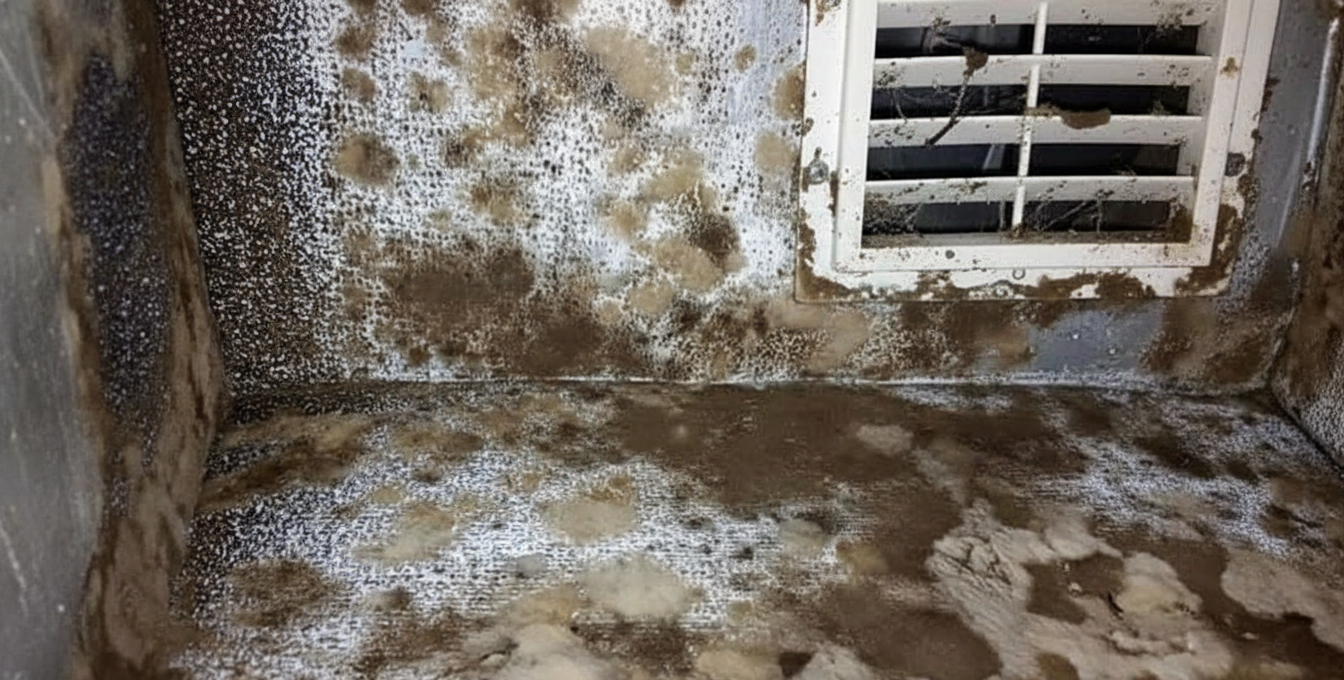
- AC Condensation: Air conditioning systems operating year-round generate moisture, which can accumulate in ductwork, drip pans, or poorly insulated areas.
- Salt-Laden Air: Salt exposure affects building materials, sometimes creating microenvironments where moisture retention is higher.
Mold spores are present naturally in the air, but when they encounter moisture and organic materials such as drywall, wood, or insulation, they can multiply rapidly.
Common Signs of Mold Growth
Property owners should be vigilant for early signs of mold in their homes:
- Musty or Earthy Odors: Often the first indication of hidden growth.
- Discoloration: Black, green, or gray patches on walls, ceilings, or baseboards.
- Warped or Bubbling Surfaces: Water damage that supports microbial colonization.
- Condensation or Moisture Accumulation: Persistent dampness around windows, in closets, or near HVAC units.
- Airborne Symptoms: Tenants or occupants experiencing coughing, sneezing, or irritation may indicate mold spores circulating indoors.
Early detection allows for timely intervention before mold spreads extensively.
Why DIY Mold Removal Often Fails
While minor surface cleaning may seem sufficient, DIY methods rarely address the root cause of mold:
- Mold grows behind walls, under flooring, or inside ducts, which cannot be reached by surface cleaning alone.
- Residual moisture left after flooding or leaks allows spores to regrow.
- Improper cleaning can release spores into the air, spreading contamination to other areas.
- Chemical cleaners may not effectively kill mold in porous materials.
Professional mold removal addresses both visible and hidden contamination while preventing recurrence.
The Professional Mold Removal Process
Professional mold remediation in coastal properties involves a systematic approach:
1. Inspection and Assessment
Technicians use moisture meters, thermal imaging, and air quality testing to locate affected areas, determine the extent of contamination, and identify hidden sources of moisture.
2. Containment
To prevent spores from spreading to unaffected areas, containment methods such as plastic sheeting, negative air pressure systems, and protective barriers are employed.
3. Removal of Contaminated Materials
Porous materials like drywall, insulation, and carpet padding are often removed if they are extensively contaminated. This prevents mold from regrowing in these areas.
4. Cleaning and Sanitization
Non-porous surfaces — metal, tile, glass, and hard flooring — are cleaned with professional-grade antimicrobial solutions to eliminate remaining spores.
5. Drying and Dehumidification
High-capacity dehumidifiers and air movers are used to remove residual moisture and stabilize indoor humidity levels, preventing further mold growth.
6. HVAC System Inspection
Ductwork, drip pans, and air handling units are inspected and cleaned if mold contamination is detected. This prevents spores from circulating through the property.
7. Verification
Post-remediation testing confirms that mold levels are safe and that moisture sources have been properly addressed.
Real-World Observations in Biscayne Bay Properties
Experience in coastal neighborhoods near Biscayne Bay highlights several key patterns:
- Hidden Mold Is Common: Mold often develops behind baseboards, under cabinets, or in attics and crawl spaces.
- Moisture Persistence: Even after surface drying, materials may remain damp, creating a favorable environment for mold regrowth.
- HVAC Systems Spread Spores: Contaminated ductwork can distribute mold spores throughout the property, particularly in multi-unit buildings.
- Rapid Growth After Flooding: In the warm, humid climate of South Florida, mold can begin colonizing within 24–48 hours of water intrusion.
Understanding these patterns reinforces the importance of professional assessment and timely remediation.
Preventing Mold in Coastal Properties
Once remediation is complete, proactive strategies reduce the likelihood of future mold growth:
- Control Humidity: Maintain indoor humidity below 60% using dehumidifiers or AC adjustments.
- Prompt Water Removal: Address leaks, flooding, or AC overflows immediately.
- Seal Vulnerable Areas: Ensure windows, doors, roofs, and slab foundations are properly sealed against water intrusion.
- Routine HVAC Maintenance: Regular inspection and cleaning prevent moisture buildup in ducts and drip pans.
- Regular Inspections: Check attics, crawl spaces, closets, and bathrooms for early signs of moisture or mold.
- Quality Air Filters: High-efficiency filters reduce airborne particulates and microbial spores.
By integrating these practices, property owners can maintain a healthier, safer living environment.
The Importance of Local Expertise
Mold remediation in coastal Florida requires knowledge of local conditions, including:
- High humidity and warm temperatures year-round
- Salt exposure and its effect on building materials
- Slab foundations, high-rise condos, and multi-unit buildings
- AC system design and drainage challenges in coastal environments
Tip Top Water and Fire Damage Restoration has extensive experience in North Miami, North Miami Beach, Sunny Isles Beach, Bal Harbour, Aventura, Surfside, Miami Shores, Biscayne Park, and surrounding neighborhoods. Their expertise ensures that mold removal is effective, safe, and tailored to local environmental conditions.
Moving Forward After Mold Removal
Mold removal is more than eliminating visible growth — it is about restoring a property to a safe, dry, and healthy state. Coastal property owners near Biscayne Bay should:
- Conduct immediate inspections after any flooding or leak event
- Engage professional remediation services to address hidden contamination
- Implement long-term preventive measures to control humidity and water intrusion
- Maintain HVAC systems and monitor indoor air quality
By taking these proactive steps, property owners can protect both the integrity of their homes and the health of occupants in Biscayne Bay’s coastal communities.