
AC Moisture Repair in North Miami Beach: A Practical Home Maintenance Guide
North Miami Beach offers convenient coastal living, but homeowners in the area face a recurring challenge tied directly to the climate: moisture problems connected to air conditioning systems. Because AC units operate almost year-round in South Florida, they play a major role in indoor moisture control. When something goes wrong, excess moisture can quickly lead to water damage and mold concerns.
Many property owners don’t realize that air conditioning systems can actually become one of the main sources of indoor moisture issues when they are not properly maintained. Understanding how AC moisture problems develop—and how repairs help prevent future damage—allows homeowners to protect their properties and maintain healthier indoor conditions.
Practical maintenance and quick repairs make a significant difference in avoiding long-term problems.
Understanding How AC Systems Create Moisture
Air conditioning systems cool homes by removing heat and humidity from indoor air. As warm air passes over cold evaporator coils, moisture condenses and forms water droplets. This water is supposed to drain safely through condensate lines and exit the home.
However, when drain lines clog, insulation deteriorates, or equipment malfunctions, condensation may leak into walls, ceilings, or flooring areas. Because the process happens out of sight, homeowners may not realize a problem exists until damage becomes visible.
In North Miami Beach, where humidity is already high, even small AC moisture leaks can escalate quickly.
Why Moisture Problems Are Common in North Miami Beach Homes
Coastal humidity plays a major role in AC-related moisture issues. Homes near Biscayne Bay and surrounding waterways constantly battle moist air entering indoor spaces.
Air conditioning systems must work harder to remove humidity. When systems are not maintained properly, condensate drainage becomes overwhelmed or blocked. Moisture then backs up and leaks into ceilings or walls.
In condominiums and multi-story buildings, leaks can spread between units, making the source harder to identify. Older buildings sometimes have outdated duct insulation that allows condensation to form on duct surfaces, dripping water into hidden spaces.
Because these conditions are common, AC moisture repair becomes a frequent maintenance need.
Warning Signs That AC Moisture Repair Is Needed
AC moisture problems often reveal themselves gradually. Homeowners commonly notice warning signs before identifying the cause.
Common signs include:
Water stains appearing on ceilings or walls
Musty smells near vents or closets
Dripping water near air handlers
Peeling paint or bubbling drywall
Unexpected indoor humidity
Mold forming around vents or duct openings
These symptoms usually indicate condensation or drainage problems within the air conditioning system.
Ignoring early warning signs allows moisture damage to spread further.
Hidden Damage Caused by AC Moisture Leaks
One of the biggest challenges with AC moisture issues is hidden damage. Water often leaks into areas homeowners rarely inspect.
Professional inspections frequently uncover:
Wet insulation inside ceilings
Moisture trapped in wall cavities
Mold growth around air handlers
Damp duct insulation in attic spaces
Water damage beneath flooring near mechanical rooms
Because moisture spreads quietly, mold growth and structural weakening may occur long before homeowners notice visible problems.
Proper repair prevents these hidden issues from worsening.
Why DIY Fixes Often Fail
Homeowners sometimes try to solve moisture problems by cleaning visible leaks or placing containers beneath dripping areas. While this may temporarily reduce water buildup, it rarely addresses the root problem.
Condensate drain lines may remain clogged, coils may freeze due to airflow issues, or insulation may continue producing condensation. Without professional inspection, moisture problems usually return.
DIY repairs also risk damaging equipment or overlooking hidden moisture spread.
Professional repairs focus on long-term solutions rather than temporary fixes.
Professional Inspection and Diagnosis
AC moisture repair begins with inspection. Specialists evaluate air conditioning equipment and surrounding areas to determine how moisture is escaping.
Technicians inspect condensate drain lines, evaporator coils, insulation, and airflow conditions. Moisture meters help detect water trapped in nearby walls or ceilings.
Inspection may also include evaluating ventilation systems and humidity control performance. Proper diagnosis ensures repairs correct the actual source of moisture rather than treating symptoms.
Accurate assessment prevents recurring problems.
The AC Moisture Repair Process Explained
Once the problem is identified, repairs begin with clearing blocked drain lines or replacing damaged drainage components. Drain pans or overflow systems may also require repair or replacement.
Duct insulation is repaired or replaced when condensation forms on ducts due to temperature differences. Technicians may also adjust airflow or repair components causing coils to freeze.
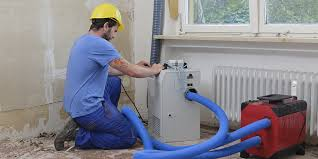
If moisture has already spread, drying equipment removes dampness from affected areas to prevent mold growth. Damaged drywall or insulation may need replacement once drying is complete.
Companies like Tip Top Water and Fire Damage Restoration regularly assist North Miami Beach homeowners when AC moisture leaks lead to water damage or mold concerns.
Proper repair restores both equipment function and indoor comfort.
How AC Moisture Problems Lead to Mold Growth
Moisture leaking from AC systems often creates ideal conditions for mold. Walls and ceilings remain damp, allowing mold spores to grow behind surfaces.
Mold contamination may spread through ventilation systems, affecting indoor air quality. Odors often become noticeable weeks after moisture problems begin.
Repairing moisture issues quickly prevents mold remediation from becoming necessary. Early action saves homeowners significant restoration costs.
Dry environments discourage mold growth.
HVAC Systems and Indoor Air Quality
Air conditioning systems influence indoor air quality directly. Moisture problems inside HVAC systems allow dust and contaminants to accumulate more easily.
Dirty coils and damp ductwork can distribute odors or mold spores throughout the home. Regular maintenance, filter replacement, and duct inspections help maintain healthy airflow.
Clean HVAC systems also improve cooling efficiency while reducing moisture risks.
Routine servicing supports long-term air quality improvement.
Preventing Future AC Moisture Problems
Preventive maintenance reduces the likelihood of future moisture issues. North Miami Beach homeowners can protect their homes through practical steps such as:
Cleaning condensate drain lines regularly
Scheduling routine AC maintenance
Replacing air filters frequently
Monitoring indoor humidity levels
Inspecting air handlers and vents periodically
Addressing small leaks immediately
Using dehumidifiers during extremely humid periods also helps reduce strain on AC systems.
Small maintenance efforts prevent costly restoration later.
Why Local Experience Matters for AC Moisture Repair
Coastal environments present unique challenges for air conditioning systems. Professionals familiar with North Miami Beach understand how humidity, salt air, and building designs influence moisture problems.
Local experience allows technicians to quickly identify common trouble spots and recommend solutions suited to coastal homes rather than generic approaches.
Tip Top Water and Fire Damage Restoration frequently works with property owners across North Miami Beach and surrounding communities dealing with moisture problems related to air conditioning systems.
Local expertise leads to faster and more effective repairs.
A Practical Path Forward for Homeowners
AC moisture problems can feel frustrating, but they are manageable when addressed early. Professional inspection, targeted repairs, and consistent maintenance help prevent moisture damage and mold growth.
For North Miami Beach homeowners, understanding how AC systems influence indoor moisture allows faster response when problems appear. With proper maintenance and timely repairs, homes remain comfortable and protected despite South Florida’s challenging climate.
Preventive care keeps small AC issues from becoming major restoration projects.