Carpet Cleaning After Water Damage in Aventura After Plumbing Failures: What to Watch For
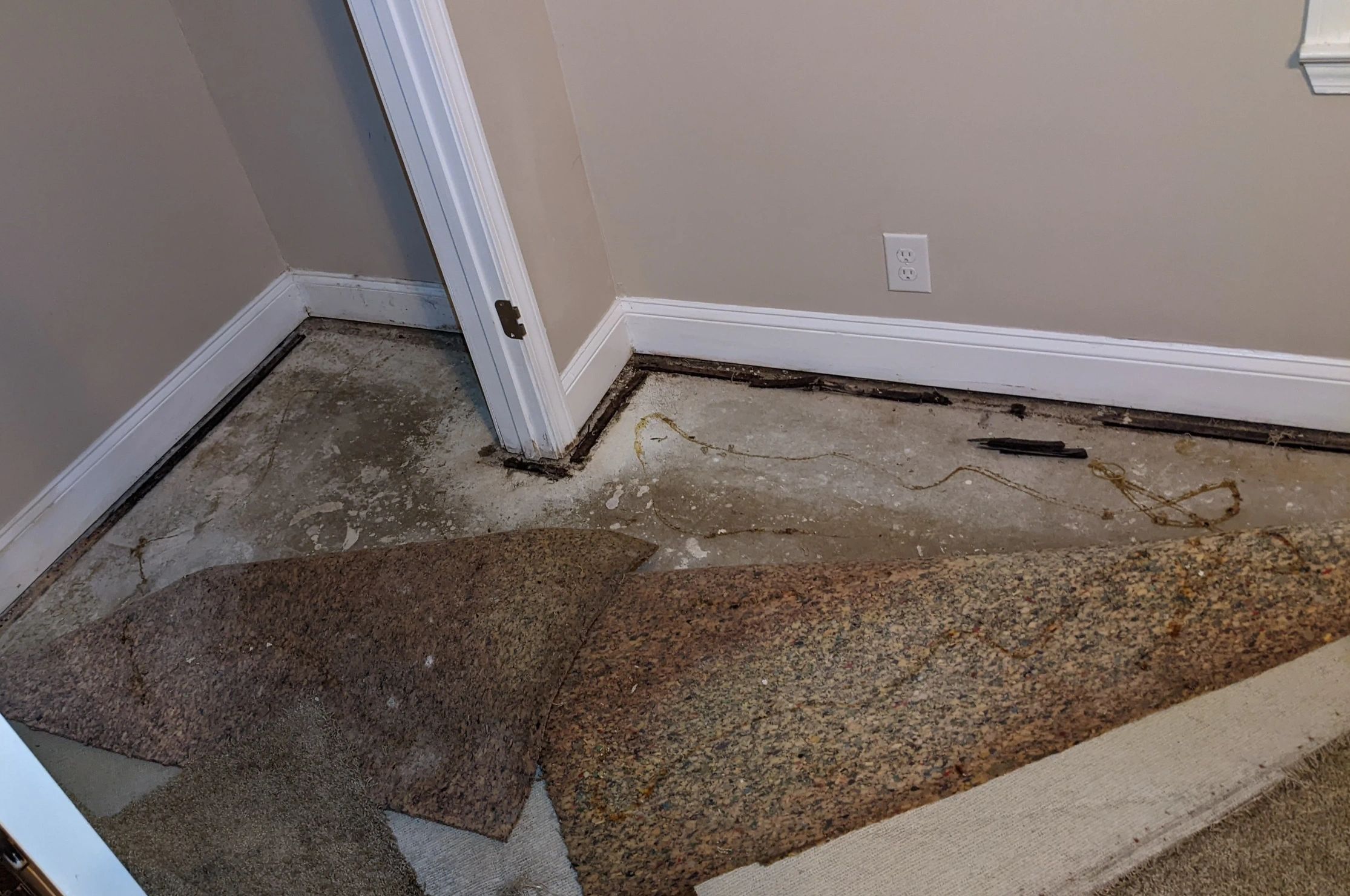
Plumbing failures are one of the most common causes of water damage in Aventura homes and condominiums. A burst pipe, leaking supply line, or overflowing fixture can release a significant amount of water in a short time, and carpets are often the first materials affected. While the surface of a carpet may appear dry after cleanup, moisture frequently remains trapped in padding and subflooring, creating conditions that can lead to odors, deterioration, or mold.
Understanding what to watch for after plumbing-related water damage helps property owners prevent long-term problems and avoid unnecessary repairs.
Why Carpets Are Especially Vulnerable to Plumbing Leaks
Carpet fibers and padding absorb water quickly. When plumbing failures occur, water spreads outward and downward, soaking into layers that are not immediately visible.
Water from plumbing incidents commonly reaches:
- Carpet fibers and backing
- Padding beneath the carpet
- Subflooring or concrete slabs
- Baseboards and nearby drywall
Because airflow beneath carpets is limited, moisture can remain trapped even after surface drying.
Why Plumbing Failures Are a Frequent Cause of Water Damage in Aventura
Many properties in Aventura, particularly condos and multi-unit buildings, rely on shared plumbing systems and appliances that operate continuously. Over time, wear and tear can lead to leaks or sudden failures.
Common plumbing-related causes of carpet damage include:
- Burst or cracked supply lines
- Water heater leaks
- Washing machine hose failures
- Overflowing sinks or tubs
- Slow leaks beneath cabinets
Nearby communities such as Sunny Isles Beach, North Miami Beach, and Bal Harbour experience similar issues, especially in buildings where plumbing systems have been in place for many years.
Early Signs Carpets May Be Damaged
After a plumbing incident, carpets may look normal at first, but early warning signs often appear within days.
Property owners should watch for:
- Musty or damp odors
- Dark or uneven patches in carpet
- Carpet fibers feeling stiff or rough
- Increased humidity in the room
- Odors returning after cleaning
These signs often indicate moisture trapped beneath the carpet.
Hidden Moisture Beneath the Surface
One of the biggest risks after plumbing-related flooding is moisture trapped in carpet padding and subflooring. During inspections in Aventura homes, technicians frequently find damp padding even when the carpet feels dry to the touch.
Hidden moisture is often found in:
- Corners and edges of rooms
- Areas beneath furniture
- Carpet padding near walls
- Subfloors beneath saturated areas
If not removed, this moisture can lead to mold growth or deterioration of flooring materials.
Why Humidity Makes the Problem Worse
Aventura’s coastal climate plays a major role in how carpets dry after water damage. High humidity slows evaporation, allowing moisture to remain in padding and flooring longer than expected.
Humidity can cause:
- Odors to persist
- Mold to develop more quickly
- Drying times to increase
- Carpet fibers to deteriorate
Because of these conditions, thorough drying is essential after plumbing failures.
Why DIY Carpet Drying Often Falls Short
Many homeowners attempt to dry carpets using fans or household dehumidifiers. While these methods may help surface drying, deeper layers often remain damp.
DIY drying may fail because:
- Padding retains moisture
- Airflow does not reach beneath the carpet
- Humidity slows evaporation
- Moisture meters are not used to confirm drying
Professional drying equipment is designed to remove moisture from both carpet and subflooring.
The Carpet Cleaning and Drying Process Explained
Professional carpet cleaning after water damage follows a structured process to ensure complete restoration.
1. Inspection and Moisture Detection
Technicians identify affected areas and measure moisture levels in carpet and flooring.
2. Water Extraction
High-powered extraction equipment removes water from carpet fibers and padding.
3. Drying and Dehumidification
Air movers and industrial dehumidifiers remove moisture from structural materials.
4. Cleaning and Sanitizing
Professional cleaning removes contaminants, bacteria, and odors.
5. Final Moisture Verification
Moisture readings confirm that carpets and flooring are fully dry before normal use resumes.
Tip Top Water and Fire Damage Restoration frequently performs these steps in Aventura and nearby coastal communities, where humidity makes thorough drying essential.
Odors That Return After Plumbing Leaks
One of the most common issues property owners notice after water damage is lingering odor. Even after cleaning, odors may return if moisture remains trapped beneath the carpet.
Odors often result from:
- Bacteria in damp padding
- Organic debris carried by water
- Mold beginning to develop
- Residue left in carpet fibers
Professional cleaning and drying help eliminate these causes.
Mold Risks After Carpet Saturation
Mold growth is one of the main reasons carpet cleaning after water damage is so important. Mold can begin developing within 24 to 48 hours when moisture remains trapped.
Areas most vulnerable include:
- Carpet padding
- Subflooring
- Edges near baseboards
- Areas with limited airflow
Thorough drying significantly reduces the likelihood of mold.
HVAC Systems and Indoor Air Quality
Air conditioning systems play an important role in drying and humidity control, but they can also circulate odors or moisture if ducts are affected.
During restoration, technicians often inspect:
- Air ducts and vents
- Drain lines and condensate pans
- Air handlers and filters
Maintaining HVAC systems helps improve indoor air quality after water damage.
Preventing Future Carpet Damage
Preventive maintenance helps reduce the likelihood of plumbing-related water damage affecting carpets again.
Helpful steps include:
- Inspect appliance hoses regularly
- Replace aging plumbing connections
- Monitor water heaters and valves
- Maintain air conditioning systems
- Address leaks immediately
Early repairs often prevent more extensive restoration work.
Why Local Experience Matters
Carpet cleaning after water damage in coastal environments requires an understanding of humidity, building materials, and drying conditions. Homes and condos in Aventura often experience slower drying times than inland properties.
Professionals familiar with Aventura, Surfside, North Miami, and Biscayne Park understand:
- How moisture behaves in humid climates
- Where hidden water is most likely to remain
- How to prevent mold beneath carpets
- How long drying realistically takes
Tip Top Water and Fire Damage Restoration has worked extensively in these communities, where plumbing failures are a frequent cause of carpet damage.
A Practical Approach to Protecting Your Property
Plumbing failures can happen unexpectedly, but quick action helps prevent long-term problems. Proper carpet cleaning, thorough drying, and moisture inspections ensure that hidden water does not lead to mold or structural damage.
For property owners in Aventura, watching for early warning signs and addressing water damage promptly is the best way to keep carpets, flooring, and indoor air quality in good condition.