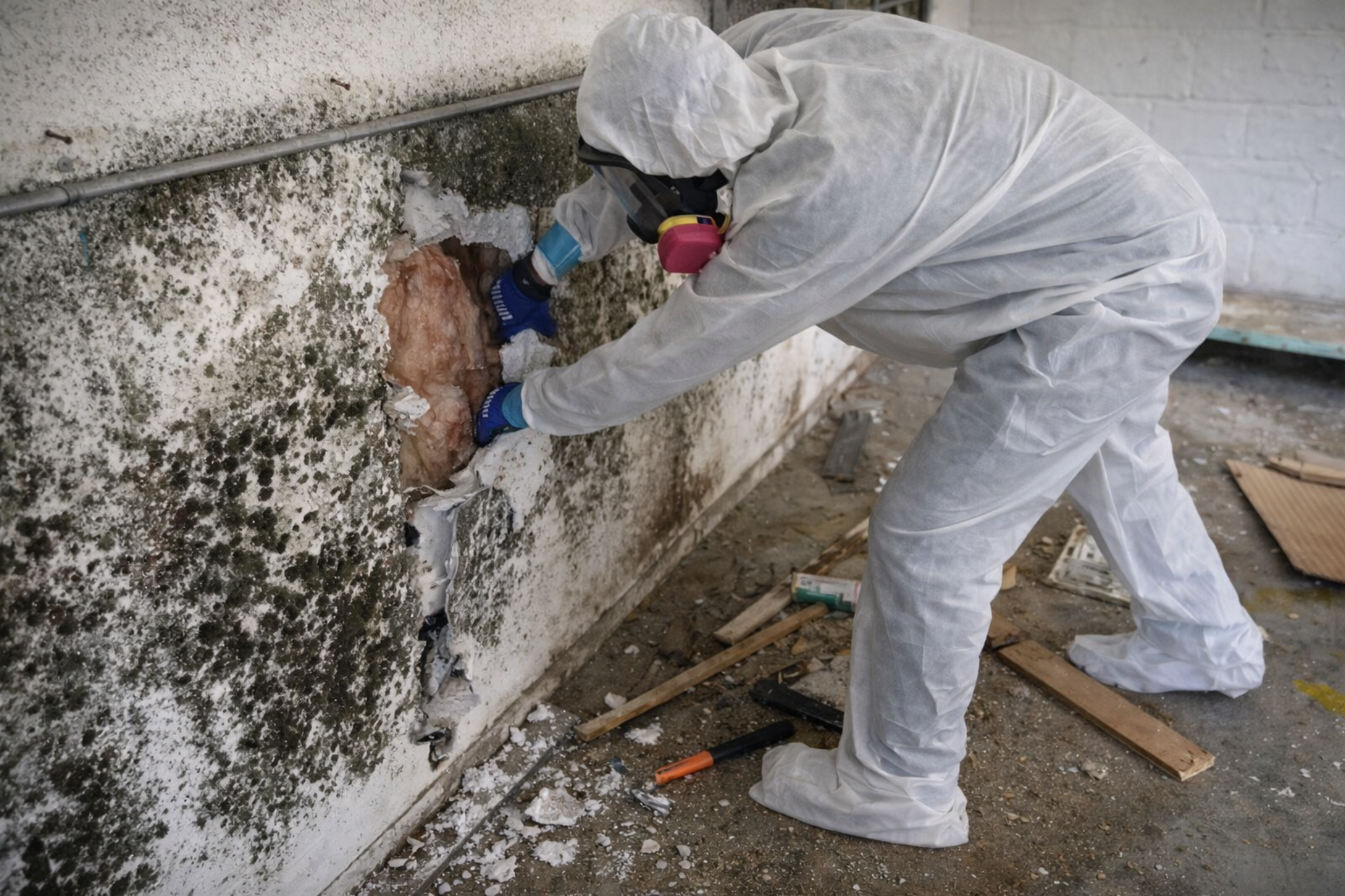
Explaining the Process of Black Mold Removal in Miami Shores
Black mold, or Stachybotrys chartarum, is one of the most concerning forms of mold found in homes across Miami Shores. Its presence can cause serious structural damage and compromise indoor air quality if left untreated. Coastal homes in Miami Shores are particularly susceptible to black mold due to high humidity, frequent rainstorms, and moisture accumulation from AC systems and plumbing leaks. Proper removal requires careful inspection, moisture control, and professional remediation.
This guide provides a detailed overview of black mold removal in Miami Shores homes, highlighting the steps homeowners should understand, the challenges of detection, and best practices to ensure effective remediation.
Understanding Black Mold
Black mold is a dark-colored fungus that thrives in damp environments. Unlike common household molds, black mold requires persistent moisture and is often found in hidden areas of a home.
Characteristics of Black Mold:
- Typically dark green or black in color
- Grows on materials rich in cellulose, such as drywall, wood, and carpet backing
- Requires constant moisture to proliferate
- Often hidden in walls, ceilings, crawl spaces, and under flooring
While all mold species require moisture, black mold is particularly insidious because it can spread quickly in humid climates like Miami Shores.
Why Black Mold Is a Concern in Miami Shores
Several environmental factors make Miami Shores homes prone to black mold:
1. High Humidity
Humidity levels in Miami Shores often exceed 60%, providing an ideal environment for black mold growth. Even small leaks or condensation can sustain mold colonies.
2. Coastal Storms and Flooding
Heavy summer rains and occasional hurricanes can lead to water intrusion through roofs, windows, and doors. Areas that remain damp for extended periods become hotspots for mold.
3. AC Condensation and Poor Ventilation
Air conditioning systems generate moisture as they cool homes. If condensate drains are clogged or ventilation is inadequate, water can accumulate in walls, ceilings, and ductwork.
4. Aging Infrastructure
Older homes may have slab foundations, dated plumbing, or poorly insulated walls, all of which can trap moisture and promote hidden mold growth.
Common Areas Where Black Mold Appears
Black mold is often found in areas that are not immediately visible:
- Behind drywall – particularly around plumbing or roof leak sites
- Under carpets and padding – especially after water damage
- Attics and crawlspaces – where ventilation is poor
- HVAC ducts – condensation can support mold growth in ductwork
- Under cabinets and sinks – plumbing leaks often go unnoticed
Because it often grows out of sight, black mold may not be detected until it has spread significantly.
Signs That Black Mold May Be Present
Homeowners should look for the following indicators:
- Musty or damp odors
- Visible black or green discoloration on walls, ceilings, or wood
- Water stains, bubbling paint, or warped surfaces
- Persistent moisture or condensation
- Health-related symptoms like allergies or respiratory irritation in occupants
While these signs may suggest black mold, professional inspection is necessary to confirm the extent of contamination.
The Black Mold Removal Process
Removing black mold safely and effectively requires a structured approach.
Step 1: Professional Inspection
A professional mold inspector evaluates the property to:
- Identify the source of moisture
- Determine the type and extent of mold growth
- Use tools such as moisture meters, hygrometers, and thermal imaging cameras
- Collect samples for laboratory testing if needed
Accurate detection ensures that remediation targets all affected areas, not just visible mold.
Step 2: Containment
Before removal begins, affected areas are isolated to prevent mold spores from spreading:
- Plastic sheeting may be used to seal off rooms
- Negative air machines create airflow that prevents spores from migrating
- HVAC systems are temporarily turned off or protected
Containment is critical in multi-unit buildings or homes with central air systems.
Step 3: Moisture Source Control
Mold cannot be eradicated without addressing the underlying moisture problem:
- Repair leaking pipes, water heaters, or AC condensate lines
- Fix roof leaks, damaged flashing, or improperly sealed windows
- Ensure crawlspaces and attics are properly ventilated
Controlling moisture prevents black mold from returning after removal.
Step 4: Removal and Cleaning
The actual mold removal process varies depending on the materials involved:
- Non-porous surfaces: Mold is scrubbed with antimicrobial cleaners and wiped down
- Porous materials: Drywall, carpet padding, or insulation heavily contaminated may need to be removed and replaced
- Wood surfaces: Sanding or specialized cleaning treatments may be required
- HVAC ducts: Professional duct cleaning and antimicrobial treatment remove spores and prevent recirculation
Proper personal protective equipment (PPE) is essential for workers during removal.
Step 5: Drying and Dehumidification
After mold removal, affected areas are dried thoroughly:
- Air movers and dehumidifiers remove residual moisture
- Moisture meters confirm that materials have returned to safe levels
- Drying may take several days in high-humidity environments like Miami Shores
Step 6: Post-Remediation Verification
A final inspection ensures that:
- Mold levels are back to acceptable limits
- Moisture sources are fully addressed
- No hidden mold remains in walls, ceilings, or ductwork
Air sampling and moisture testing may be repeated to verify success.
Preventing Black Mold Recurrence
Prevention is just as important as removal. Key strategies include:
- Regular Property Inspections – Check for leaks, condensation, and water damage frequently
- Proper Ventilation – Ensure bathrooms, kitchens, and laundry areas are ventilated
- Humidity Control – Use dehumidifiers or maintain AC systems to keep humidity below 50%
- Prompt Water Damage Response – Address plumbing or storm water incidents immediately
- Routine HVAC Maintenance – Clean ducts, drip pans, and filters to prevent mold proliferation
Challenges Specific to Miami Shores Homes
Miami Shores presents unique mold removal challenges:
- Coastal Weather – High humidity slows drying and supports regrowth if moisture is not fully removed
- Slab Foundations – Plumbing leaks beneath concrete slabs are difficult to detect and remediate
- Aging Homes – Older construction materials may harbor mold in hidden cavities
- Multi-Unit Buildings – Mold can spread between units via shared walls or duct systems
Local experience is critical in navigating these challenges successfully.
The Importance of Professional Expertise
Companies like Tip Top Water and Fire Damage Restoration provide:
- In-depth knowledge of Florida’s humid climate and storm patterns
- Specialized equipment for detecting hidden mold
- Professional removal and decontamination processes
- Post-remediation verification and advice on moisture prevention
Professional services ensure safe, thorough, and long-lasting results.
Conclusion
Black mold removal in Miami Shores is a complex process that requires early detection, proper containment, moisture control, and professional remediation. Coastal humidity, frequent storms, and aging homes make this area particularly susceptible to hidden mold problems.
Homeowners and property managers should prioritize regular inspections, rapid response to water issues, and professional mold assessment and remediation. By addressing both the visible mold and the underlying moisture sources, Miami Shores properties can maintain healthy indoor air quality, prevent structural damage, and protect the safety of residents.
Effective mold management is not just about cleaning—it’s about understanding the environment, detecting moisture early, and applying professional techniques to safeguard homes against one of Florida’s most persistent environmental threats.