Explaining the Process of Flood Restoration in Coastal Neighborhoods Near Biscayne Bay
Flooding is one of the most challenging property issues faced by homeowners and property managers in coastal neighborhoods near Biscayne Bay. Whether caused by heavy rainfall, storm surge, plumbing failures, or drainage problems, water intrusion can affect not only visible surfaces but also the structural components of a building.
In areas such as North Miami, Miami Shores, Surfside, Bal Harbour, and Sunny Isles Beach, high humidity and warm temperatures often slow the drying process. This makes proper flood restoration essential to prevent long-term damage, mold growth, and indoor air quality problems.
Understanding the flood restoration process helps property owners know what to expect and why each step is necessary.
What Flood Restoration Really Means
Flood restoration is the process of removing water, drying affected materials, cleaning contaminated areas, and repairing structural damage. It is much more than simply removing standing water.
A complete restoration process focuses on:
- Eliminating moisture from structural materials
- Preventing mold growth
- Restoring damaged surfaces
- Improving indoor air quality
- Ensuring the property is safe and dry
Because floodwater often spreads quickly, restoration must address both visible and hidden moisture.
Why Flooding Is Common Near Biscayne Bay
Coastal neighborhoods near Biscayne Bay are especially vulnerable to flooding due to environmental and structural factors.
Common causes include:
- Heavy seasonal storms and intense rainfall
- Storm surge in waterfront areas
- Poor drainage during high tides
- Roof leaks during severe weather
- Plumbing failures in residential buildings
- AC condensation problems
In addition, the coastal climate keeps humidity levels high, which slows evaporation and allows moisture to remain trapped in building materials.
Common Signs of Flood Damage
Flood damage is not always immediately obvious. Some signs appear days or weeks after the initial event.
Property owners often notice:
- Musty or damp odors
- Warped or buckling flooring
- Stains on walls or ceilings
- Soft drywall or peeling paint
- Increased indoor humidity
- Persistent damp carpeting
These warning signs often indicate moisture hidden behind surfaces or beneath flooring.
Hidden Areas Where Water Damage Develops
During restoration work in coastal homes, moisture is frequently discovered in areas that appear dry on the surface.
Common hidden problem areas include:
- Behind drywall and baseboards
- Beneath tile, wood, or carpet
- Inside wall cavities
- Attic insulation
- Air ducts and ventilation systems
Water can travel along structural materials and settle in areas far from the original flood source, making thorough inspection essential.
Why DIY Flood Cleanup Often Falls Short
Many homeowners attempt to handle minor flooding themselves using fans, towels, or household cleaning equipment. While these methods may remove visible water, they rarely eliminate deeper moisture.
DIY cleanup often fails because:
- Moisture inside walls is not removed
- Subflooring remains damp
- Mold begins forming in hidden areas
- Odors persist or return
- Structural materials weaken over time
Without professional drying equipment and moisture detection tools, it is difficult to ensure a property is fully dry.
Inspection and Moisture Detection
The first step in professional flood restoration is a detailed inspection. This determines how far water has spread and what materials are affected.
A typical inspection includes:
- Moisture meter readings in walls and floors
- Thermal imaging to locate hidden damp areas
- Inspection of ceilings and attic spaces
- Evaluation of HVAC systems and ducts
- Identifying the source of water intrusion
In coastal neighborhoods near Biscayne Bay, inspections often reveal moisture trapped in insulation or behind drywall long after surfaces appear dry.
The Flood Restoration Process Step by Step
Once the inspection is complete, restoration proceeds through several stages.
1. Water Extraction
Standing water is removed using high-powered extraction equipment. Rapid removal helps prevent further absorption into materials.
2. Drying and Dehumidification
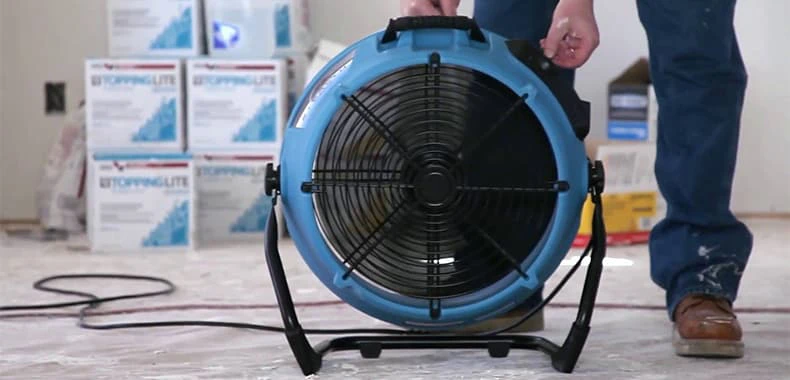
Industrial air movers and dehumidifiers are used to remove moisture from walls, floors, and structural components. In humid coastal environments, this stage may take several days.
3. Cleaning and Sanitizing
Floodwater may contain contaminants, so affected areas are cleaned and sanitized to ensure safety.
4. Removal of Damaged Materials
Severely damaged drywall, insulation, or flooring may need to be removed to allow complete drying and prevent mold growth.
5. Repairs and Restoration
Once moisture levels return to safe ranges, repairs begin to restore the property to its original condition.
Companies such as Tip Top Water and Fire Damage Restoration regularly perform these steps in North Miami and surrounding coastal communities, where thorough drying is essential due to humidity.
Mold Risks After Flooding
One of the biggest concerns following a flood is mold growth. Mold can begin developing within 24 to 48 hours when moisture remains trapped in organic materials.
Areas most vulnerable include:
- Drywall and ceiling panels
- Carpet padding
- Wooden framing
- Insulation
- Air ducts
This is why proper drying and moisture verification are critical parts of the restoration process.
Air Ducts, AC Systems, and Moisture
HVAC systems play an important role in both drying and indoor air quality. However, ducts and air handlers can also trap moisture after flooding.
During restoration, technicians often inspect:
- Air ducts and vents
- Drain lines and condensate pans
- Air handlers and filters
- Insulated ductwork in attic spaces
Air duct cleaning may be recommended if moisture or contamination is found.
How to Prevent Future Flood Damage
While not all flooding can be avoided, preventive steps can reduce the risk of severe damage.
Helpful measures include:
- Inspect roofs and drainage systems regularly
- Keep gutters and exterior drains clear
- Monitor plumbing and appliance hoses
- Maintain air conditioning systems
- Use dehumidifiers during humid seasons
- Schedule periodic moisture inspections
Addressing small leaks promptly is one of the most effective ways to prevent larger restoration projects.
Why Local Experience Matters
Flood restoration in coastal South Florida requires an understanding of how humidity and building materials interact. Homes near Biscayne Bay often experience slower drying times and higher moisture retention than inland properties.
Professionals familiar with North Miami, Surfside, Biscayne Park, and Bal Harbour understand:
- How moisture travels through local building materials
- Where hidden water is most likely to remain
- How long drying realistically takes in coastal climates
- Which structural areas are most vulnerable
Tip Top Water and Fire Damage Restoration has worked extensively in these communities, where flood damage often involves hidden moisture and extended drying times.
A Calm, Practical Next Step
Flooding can feel overwhelming, but the restoration process is designed to bring a property back to safe conditions step by step. Early inspection, thorough drying, and proper repairs prevent mold growth and long-term structural problems.
In coastal neighborhoods near Biscayne Bay, acting quickly after a flood is the most effective way to protect both property value and indoor air quality. With proper restoration, homes and buildings can recover fully and remain safe for years to come.