
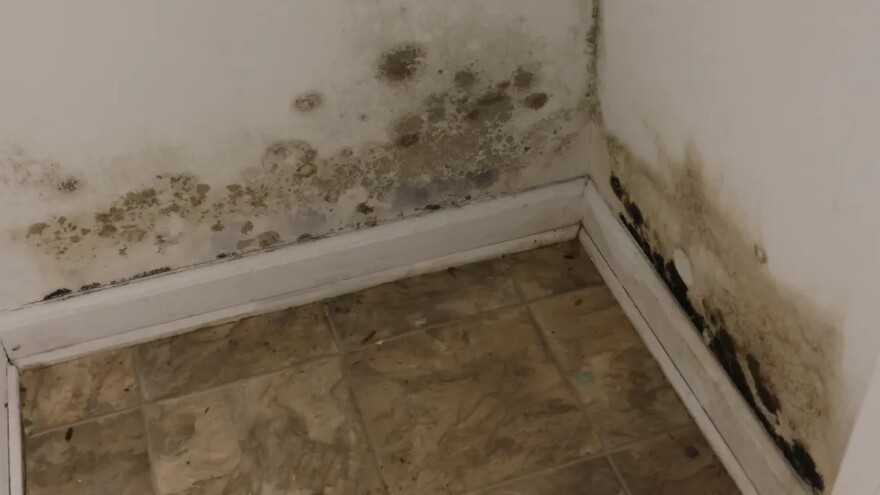
Explaining the Process of Mold Inspection in Bal Harbour
Mold problems in Bal Harbour rarely start with something dramatic.
More often, it’s a faint musty smell. A subtle discoloration along a ceiling line. An AC system that seems to be running constantly, yet the indoor air feels heavy. In coastal communities like Bal Harbour, where humidity and salt air are constant factors, mold can develop quietly behind walls and under flooring long before it becomes visible.
Understanding how mold inspection works helps property owners make informed decisions. It removes guesswork and replaces it with a structured, evidence-based process designed for South Florida conditions.
What Mold Inspection Really Means
A mold inspection is not simply looking for black spots on walls.
It is a systematic evaluation of moisture sources, building materials, ventilation patterns, and indoor environmental conditions. Mold requires moisture to grow. So the first priority during inspection is identifying where moisture is present — whether visible or hidden.
In Bal Harbour properties, especially high-rise condos and waterfront homes, mold issues often stem from:
- AC condensation problems
- Roof leaks during heavy storms
- Plumbing leaks inside walls
- Elevated indoor humidity
- Window seal failures
- Slab foundation moisture migration
The inspection process focuses on locating these contributing factors before recommending remediation.
Why Mold Inspection Is Important in Bal Harbour
Bal Harbour’s coastal location creates a year-round humidity challenge.
Moisture levels in South Florida rarely drop significantly. In tightly sealed condos in nearby Sunny Isles Beach and Aventura, limited ventilation can allow indoor humidity to remain elevated if HVAC systems are not functioning properly.
In older single-family homes in Surfside and North Miami Beach, aging plumbing and roof systems may introduce slow leaks that go unnoticed.
Because mold growth can begin within 48–72 hours of moisture exposure, early detection is critical.
A thorough inspection prevents minor issues from becoming larger remediation projects.
Step 1: Initial Property Assessment
The process begins with a visual evaluation.
This includes:
- Inspecting ceilings and walls for discoloration
- Checking baseboards for swelling
- Looking for condensation near vents
- Observing signs of previous water damage
- Assessing ventilation systems
In Bal Harbour high-rise buildings, inspectors may also consider shared walls and HVAC systems. Mold sometimes develops due to condensation within shared mechanical spaces.
During this phase, experience matters. Subtle clues — like faint staining or paint texture changes — can indicate hidden moisture.
Step 2: Moisture Detection
Because mold cannot grow without water, moisture detection is central to inspection.
Professionals use specialized tools to measure moisture levels inside:
- Drywall
- Wood framing
- Flooring materials
- Concrete slabs
In slab-on-grade homes common in North Miami and Miami Shores, moisture can migrate upward from the foundation, particularly after heavy rainfall.
In coastal properties, moisture intrusion sometimes occurs around window frames due to wind-driven rain.
Bal Harbour condos frequently experience AC-related moisture buildup, especially if drain lines become clogged.
Identifying the moisture source allows for targeted correction before mold spreads.
Step 3: Inspecting HVAC and Air Duct Systems
Air conditioning systems operate continuously in South Florida.
If condensation forms within ducts or air handlers, mold may develop inside the system and circulate spores throughout the property.
Inspection may include:
- Checking air handlers for moisture
- Examining duct interiors
- Assessing filter condition
- Evaluating airflow patterns
In high-rise properties, shared ventilation systems require careful review. Mold growth in mechanical rooms can affect multiple units.
Air duct contamination is often overlooked in DIY evaluations.
Step 4: Attic and Hidden Space Evaluation
Attics in coastal homes can trap warm, humid air.
Poor ventilation combined with roof leaks creates an ideal environment for mold growth. Inspectors evaluate:
- Roof decking
- Insulation condition
- Ventilation effectiveness
- Signs of staining or growth
In Bal Harbour and Surfside homes exposed to coastal winds, roof flashing and seals may degrade faster due to salt exposure.
Hidden areas such as closets, behind cabinets, and beneath sinks are also examined.
Step 5: Air and Surface Testing (When Appropriate)
Not every mold inspection requires testing, but in some situations it helps clarify conditions.
Testing may be used when:
- Mold is suspected but not visible
- Occupants report persistent odor
- Real estate transactions require documentation
- Insurance claims need verification
Air samples measure spore concentrations indoors compared to outdoor levels. Surface samples help identify the type of mold present.
Testing is a diagnostic tool, not a substitute for physical inspection.
Tip Top Water and Fire Damage Restoration emphasizes combining moisture detection with testing when necessary, especially in coastal Bal Harbour properties where humidity complicates interpretation.
Step 6: Identifying the Root Cause
The most important outcome of a mold inspection is identifying the source of moisture.
Without correcting the cause, mold will return.
Common root causes in Bal Harbour include:
- AC drain line blockages
- Roof leaks after storms
- Bathroom ventilation failures
- Plumbing leaks inside walls
- High indoor humidity
In slab foundation homes in Biscayne Park and Miami Shores, moisture may migrate upward if drainage around the property is inadequate.
Correcting these issues is the foundation of effective remediation.
Why DIY Mold Inspections Are Limited
Homeowners often attempt to locate mold by visible signs alone.
However, mold frequently develops behind surfaces. Without moisture meters and professional tools, hidden dampness can go undetected.
DIY inspections may miss:
- Elevated moisture inside walls
- Duct contamination
- Attic ventilation issues
- Subfloor moisture
Surface cleaning without moisture correction only provides temporary results.
What Happens After the Inspection
After inspection, property owners receive findings outlining:
- Areas of confirmed mold growth
- Moisture readings
- Contributing factors
- Recommended next steps
If mold remediation is required, the process typically includes:
- Containment
- Removal of contaminated materials
- Air filtration
- Surface cleaning
- Moisture correction
In humid coastal environments, proper drying is just as important as removal.
Preventing Mold in Bal Harbour Properties
Long-term mold prevention focuses on moisture control.
Property owners can reduce risk by:
- Servicing AC systems regularly
- Keeping humidity below 60 percent
- Ensuring proper roof maintenance
- Inspecting plumbing periodically
- Cleaning and maintaining air ducts
High-rise condo owners should also ensure building management maintains mechanical systems.
Routine inspections help detect small issues before they escalate.
Why Local Experience Matters
Mold inspection in Bal Harbour requires understanding coastal environmental conditions.
Humidity, salt exposure, slab foundations, and continuous AC operation all influence moisture behavior.
Professionals familiar with Bal Harbour, Sunny Isles Beach, North Miami, and Miami Shores understand:
- How coastal humidity affects building materials
- How quickly mold can develop
- How slab foundations behave after heavy rain
- How ventilation patterns impact moisture
Tip Top Water and Fire Damage Restoration conducts inspections tailored to these local factors rather than applying generic standards.
Local experience ensures that both visible and hidden moisture sources are considered.
Moving Forward with Confidence
Mold inspection is not about creating alarm.
It is about identifying moisture conditions early, understanding how they developed, and taking practical steps to correct them.
In Bal Harbour’s coastal environment, proactive inspection supports long-term property stability and indoor comfort.
With proper evaluation, targeted moisture correction, and ongoing maintenance, mold issues can be addressed effectively and prevented from returning.
Understanding the inspection process gives property owners clarity — and clarity leads to informed decisions.