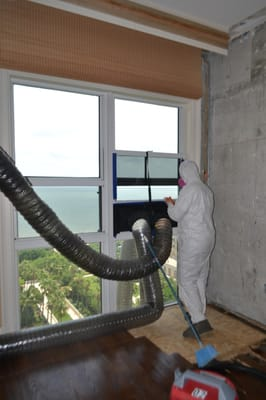
Explaining the Process of Mold Testing in Sunny Isles Beach
Mold is a persistent problem in coastal areas such as Sunny Isles Beach, where high humidity, salt-laden air, and seasonal storms create the perfect environment for fungal growth. For homeowners, mold is not just an aesthetic issue; it poses serious health risks and can compromise the structural integrity of properties. Mold testing is the first critical step in identifying, quantifying, and addressing mold contamination before it becomes a major problem.
For residents in Sunny Isles Beach, understanding the process of mold testing, the reasons behind it, and how it informs remediation strategies is essential for maintaining safe living environments. In rental properties, older homes, and waterfront properties, early detection can prevent costly damage, legal liability, and health complications.
Why Mold Testing Is Necessary in Sunny Isles Beach
1. High Humidity and Coastal Conditions
Sunny Isles Beach experiences consistently high humidity levels, often above 70%, which encourages condensation on walls, ceilings, and air ducts. Moist environments are ideal for mold spores to germinate and proliferate, especially in poorly ventilated areas.
2. Water Intrusion
Storms, hurricanes, and plumbing leaks contribute to hidden moisture behind walls, under flooring, and in crawl spaces. Even minor leaks, if unaddressed, can lead to substantial mold growth over time.
3. Health Risks
Mold exposure can cause allergic reactions, asthma attacks, respiratory issues, and other health problems. Children, the elderly, and individuals with compromised immune systems are particularly vulnerable.
4. Property Preservation
Mold gradually deteriorates wood, drywall, insulation, and fabrics. Early detection through mold testing protects the home’s structural integrity and preserves property value.
Common Signs Indicating the Need for Mold Testing
Homeowners should be vigilant for these indicators:
- Musty odors, even without visible mold
- Staining, discoloration, or bubbling paint on walls and ceilings
- Condensation on windows and walls
- Warped or soft flooring
- Increased allergy symptoms among residents
While visual cues are helpful, mold often grows hidden behind walls, under carpets, or within HVAC systems, making professional testing essential.
Step-by-Step Mold Testing Process
1. Initial Inspection
Mold testing begins with a thorough visual and olfactory inspection:
- Technicians look for visible mold growth, water stains, and discoloration
- Check for moisture sources such as leaks, condensation, or high-humidity zones
- Identify areas of poor ventilation or water accumulation
The initial inspection helps guide sampling locations and the type of mold testing required.
2. Moisture Assessment
Before sampling, professionals assess moisture levels in materials:
- Use of moisture meters, hygrometers, and thermal imaging to detect damp areas
- Identification of hidden water sources in walls, ceilings, crawl spaces, and HVAC systems
Moisture assessment is crucial because mold will not grow without sufficient water.
3. Sampling Methods
Several methods are used to collect mold samples:
- Surface Sampling: Swabs or tape lifts are taken from visible mold colonies on walls, ceilings, or furniture.
- Air Sampling: Air is drawn through a specialized device to capture mold spores in the home’s atmosphere. This helps detect hidden mold and quantify spore concentration.
- Bulk Sampling: Small sections of contaminated materials are removed for laboratory analysis to identify the mold species.
4. Laboratory Analysis
Samples are sent to accredited laboratories where they are analyzed for:
- Type of mold species present
- Concentration of spores in the air or on surfaces
- Potential toxicity or allergenicity
The lab report provides detailed information that guides remediation strategies.
5. Risk Assessment
Professional mold testers evaluate:
- The extent of contamination
- Potential health risks to occupants
- Structural areas at greatest risk
- Recommended remediation methods
This step ensures homeowners receive a comprehensive understanding of both the severity and urgency of the problem.
Challenges in Mold Testing in Coastal Properties
1. Hidden Growth
In coastal homes, mold frequently develops behind drywall, under flooring, or within HVAC ductwork. These hidden colonies may not be detected without targeted air sampling and moisture assessment.
2. High Humidity
Sunny Isles Beach’s humid climate can make it difficult to differentiate between temporary condensation and persistent moisture that promotes mold growth.
3. Older Construction Materials
Many homes contain porous materials like wood and insulation that retain moisture and harbor mold spores, complicating detection.
4. Tenant or Occupant Behavior
In rental properties, occupants may inadvertently conceal water damage or mold problems, delaying detection.
Professional Mold Testing Tools and Techniques
- Moisture Meters: Measure water content in wood, drywall, and other materials
- Thermal Imaging Cameras: Detect temperature anomalies indicating moisture behind walls
- Air Sampling Pumps: Capture airborne mold spores for lab analysis
- Surface Swabs and Tape Lifts: Collect mold for species identification
- Hygrometers: Measure indoor humidity to assess mold growth conditions
Using these tools, professionals can identify hidden mold, evaluate its spread, and develop an effective remediation plan.
Post-Testing Steps
1. Remediation Planning
Based on the results, a remediation plan is developed, including:
- Removal of contaminated materials
- Cleaning and disinfecting salvageable surfaces
- Repairing sources of moisture such as leaks or condensation
2. Verification
After remediation, follow-up testing may be conducted to ensure all mold has been removed and air quality has returned to safe levels.
3. Preventive Measures
Homeowners are advised to implement strategies such as:
- Installing dehumidifiers in high-humidity areas
- Improving ventilation in bathrooms, kitchens, and attics
- Regular HVAC maintenance and filter replacement
- Promptly addressing leaks or water intrusion
Why Timely Mold Testing Matters
- Prevents health issues among residents
- Minimizes structural damage and associated repair costs
- Reduces the likelihood of recurring mold problems
- Ensures compliance with rental property regulations
Early testing allows homeowners and landlords to take action before minor moisture issues escalate into serious health and structural risks.
Conclusion
Mold testing in Sunny Isles Beach is a critical component of property management and maintenance, particularly in coastal, rental, or older homes. By understanding the process—from initial inspection and moisture assessment to sampling, laboratory analysis, and remediation planning—homeowners can identify problems early and implement solutions that protect both residents and property value.
Proactive mold testing, combined with preventive measures and professional guidance, ensures a safe, healthy, and structurally sound home environment. In high-humidity coastal regions, timely intervention is the key to preventing small mold issues from becoming costly and hazardous problems.