How Coastal Weather Influences Water Leak Detection in North Miami Beach
Water leaks are a common concern for property owners in North Miami Beach. While plumbing failures and aging materials are well-known causes, coastal weather plays a significant role in both creating leaks and making them harder to detect. High humidity, storms, and salt air can all affect building materials and plumbing systems, allowing hidden leaks to develop and spread before they are noticed.
Why Water Leak Detection Is Important in Coastal Areas
Water leak detection involves locating hidden moisture and identifying the source of leaks that may not be immediately visible. In many homes, water travels through walls, ceilings, or flooring before signs appear, making detection an essential step in preventing mold growth and structural damage.
Leak detection is especially important in coastal communities because:
- Moisture spreads more easily in humid environments
- Drying times are longer
- Small leaks can go unnoticed for extended periods
- Building materials are exposed to salt air and corrosion
These conditions make early detection a key part of property maintenance in North Miami Beach and nearby communities like Sunny Isles Beach, Aventura, and Miami Shores.
How Coastal Weather Contributes to Water Leaks
Coastal weather affects homes in several ways that increase the likelihood of leaks.
Heavy rainfall and storms
Strong storms can drive rainwater into small gaps in roofing, flashing, or window seals. Even minor openings can allow water to enter wall cavities or attic spaces.
High humidity levels
Moist air slows evaporation and allows condensation to form on pipes, ducts, and building materials.
Salt air exposure
Salt carried by ocean air can accelerate corrosion in plumbing fixtures, valves, and metal pipes.
Frequent temperature changes between indoor and outdoor air
These differences can cause condensation to develop, especially around plumbing lines and HVAC components.
Over time, these factors can lead to hidden leaks that require professional detection.
Why Coastal Conditions Make Leaks Harder to Detect
In coastal environments, moisture-related problems often develop gradually rather than suddenly.
Several factors contribute to delayed detection:
- Humidity masks small leaks by keeping surfaces slightly damp
- Moisture spreads through porous materials before becoming visible
- Odors develop slowly and may not be immediately noticeable
- Condensation may be mistaken for normal humidity
As a result, property owners may not realize a leak exists until staining or damage becomes visible.
Common Signs That Leak Detection May Be Needed
Even when leaks are hidden, homes often show warning signs.
Property owners should watch for:
- Water stains on ceilings or walls
- Musty or damp odors
- Peeling paint or bubbling drywall
- Warped flooring or baseboards
- Unexpected increases in water bills
- Persistent humidity in certain rooms
These signs often indicate moisture inside walls or ceilings that requires inspection.
Hidden Sources of Water Leaks in Coastal Homes
Some of the most common leak sources in North Miami Beach homes are not visible during everyday use.
These include:
- Plumbing lines inside walls
- Condensate lines from air conditioning systems
- Roof leaks affecting attic insulation
- Window and door frame intrusion during storms
- Irrigation systems near foundations
In coastal neighborhoods, wind-driven rain and humidity can allow moisture to enter areas that are rarely inspected, making professional detection especially valuable.
The Role of Humidity in Moisture Spread
Humidity not only contributes to leaks but also affects how moisture behaves once it enters a home.
High humidity can:
- Slow drying of wet materials
- Allow moisture to spread farther through drywall and insulation
- Increase the likelihood of mold growth
- Make small leaks appear less obvious
This is why thorough drying and monitoring are essential after any leak is discovered.
Why DIY Leak Detection Often Misses the Problem
Many homeowners attempt to locate leaks by following visible stains or checking exposed plumbing. While this can help identify obvious problems, hidden leaks often require specialized tools.
DIY efforts may miss issues because:
- Moisture inside walls cannot be seen
- Water may travel far from its original source
- Small leaks may only appear under certain conditions
- Humidity makes damp areas harder to identify
Without proper detection, repairs may address only surface damage rather than the underlying cause.
How Professional Water Leak Detection Works
Professional leak detection uses tools and methods designed to locate hidden moisture accurately and efficiently.
A typical inspection may include:
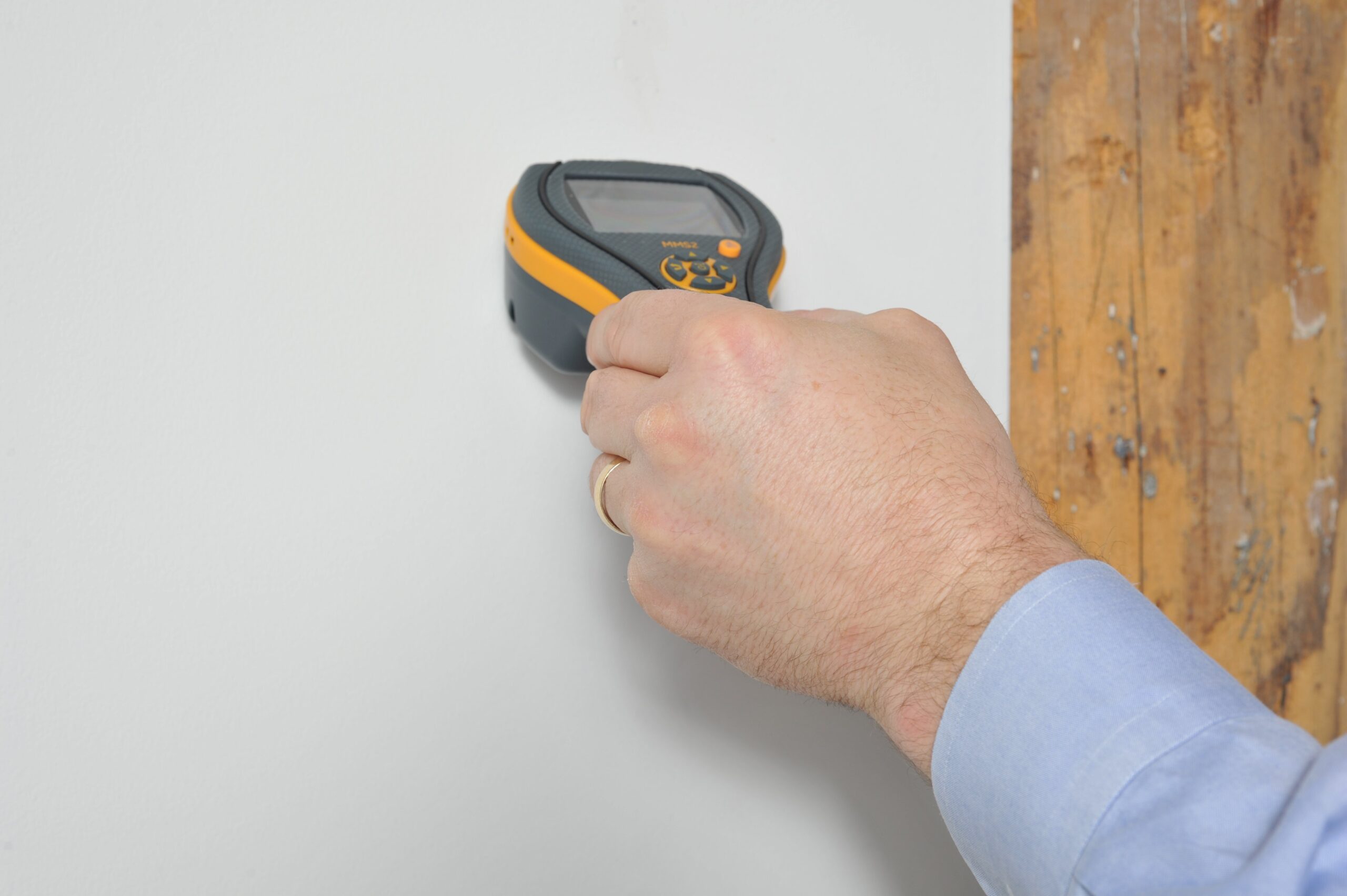
- Moisture meters to measure dampness in building materials
- Thermal imaging to identify temperature differences caused by moisture
- Inspection of plumbing systems and connections
- Evaluation of HVAC systems and ductwork
- Attic and roof inspections
Professionals experienced in coastal environments understand how humidity and airflow influence moisture patterns. Companies such as Tip Top Water and Fire Damage Restoration often combine leak detection with moisture mapping to ensure affected areas are fully identified.
What Happens After a Leak Is Found
Once a leak is detected, the next steps focus on stopping the source and preventing further damage.
This process may include:
- Repairing plumbing or structural issues
- Extracting any standing water
- Drying affected materials using professional equipment
- Monitoring moisture levels until drying is complete
- Repairing or replacing damaged materials
Proper drying is essential in coastal environments, where humidity can slow evaporation and allow moisture to remain trapped.
The Connection Between Water Leaks and Mold
One of the biggest risks after a leak is mold growth. In humid climates like North Miami Beach, mold can develop quickly if moisture remains in building materials.
Mold risk increases when:
- Drying is delayed
- Insulation or drywall remains damp
- Ventilation is limited
- Humidity levels remain high
Early detection and thorough drying significantly reduce this risk.
HVAC Systems and Coastal Moisture
Air conditioning systems play a major role in both detecting and preventing moisture problems.
Potential concerns include:
- Condensate line clogs
- Drain pan overflow
- Condensation inside ducts
- Air handler leaks
Routine HVAC maintenance helps reduce the likelihood of hidden moisture problems and improves indoor air quality.
In coastal communities, maintaining HVAC systems is one of the most effective ways to prevent moisture-related issues.
Practical Steps to Reduce the Risk of Hidden Leaks
Property owners can take preventive measures to reduce the likelihood of leaks and hidden moisture.
Helpful practices include:
- Inspecting roofs and flashing regularly
- Checking plumbing connections and appliances
- Cleaning AC condensate lines periodically
- Monitoring water bills for unusual increases
- Inspecting attics and closets for dampness
- Addressing small leaks immediately
These steps often prevent minor issues from becoming major repairs.
Why Local Experience Matters
Water leak detection in coastal South Florida requires an understanding of local weather patterns, building materials, and moisture behavior. Homes in North Miami Beach and nearby coastal neighborhoods face constant exposure to humidity, salt air, and seasonal storms.
Professionals familiar with local conditions understand:
- Where leaks commonly occur in coastal homes
- How humidity affects drying times
- How storm patterns influence water intrusion
- Which materials are most vulnerable to moisture damage
This knowledge helps ensure leak detection and repairs are thorough and effective.
A Practical Next Step for Property Owners
Coastal weather can make water leaks more likely and more difficult to detect. If you notice stains, odors, or persistent humidity, scheduling an inspection can help identify hidden leaks before damage spreads.
Working with experienced restoration professionals such as Tip Top Water and Fire Damage Restoration helps ensure that leaks, moisture, and any resulting damage are properly addressed. With routine maintenance and early detection, property owners in North Miami Beach and surrounding coastal communities can protect their homes and avoid costly repairs.