
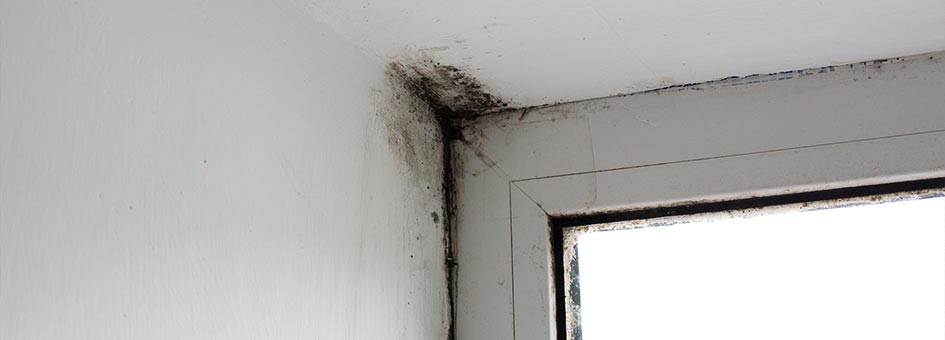
Long-Term Protection Tips Related to Black Mold Removal in Biscayne Park
In Biscayne Park, mold removal is rarely the end of the story.
It’s the reset button.
The real goal isn’t just removing visible black mold from drywall or ceilings. It’s preventing the same conditions from returning six months later. In a neighborhood surrounded by North Miami, Miami Shores, and close to Biscayne Bay, humidity isn’t seasonal — it’s constant.
Long-term protection after black mold removal depends on controlling moisture every single day.
Here’s what property owners in Biscayne Park need to focus on.
Understand Why Mold Developed in the First Place
Black mold does not appear randomly.
In Biscayne Park homes, it usually follows:
- AC condensation leaks
- Roof seepage during heavy rain
- Plumbing drips behind walls
- Flooding or slow water intrusion
- Elevated indoor humidity over time
If the moisture source isn’t identified and corrected, mold removal becomes temporary.
The first step in long-term protection is confirming that the original cause has been fully resolved.
Keep Indoor Humidity Below 55%
Humidity control is the foundation of prevention in South Florida.
When indoor humidity rises above 55–60%, surfaces stay damp long enough to support mold growth — even without a visible leak.
Use:
- A digital hygrometer to monitor levels
- Proper AC maintenance
- Supplemental dehumidifiers if needed
During extended rainy periods in Biscayne Park, indoor humidity can creep up quickly. Monitoring it consistently makes a major difference.
Maintain Your AC System Proactively
Air conditioning systems are the most common contributor to mold growth in this area.
Because AC units run nearly year-round, condensation is constant.
Preventive maintenance should include:
- Flushing condensate drain lines quarterly
- Inspecting drain pans for rust or cracks
- Replacing filters regularly
- Checking duct insulation
- Monitoring air handler closets for dampness
In Biscayne Park and nearby North Miami Beach, many mold cases begin inside small AC closets.
Regular servicing prevents slow, unnoticed leaks.
Inspect Roof and Attic Spaces Annually
Flat and low-slope roof sections are common in South Florida homes.
After heavy summer storms, small membrane cracks can allow moisture into attic insulation and ceiling cavities.
Once a year — preferably before storm season — check for:
- Staining on attic decking
- Damp insulation
- Soft ceiling areas
- Mold growth on rafters
Poor attic ventilation also traps humid air.
Improving airflow reduces condensation buildup in upper areas of the home.
Address Minor Plumbing Leaks Immediately
Older homes in Biscayne Park often have aging plumbing systems.
Even a slow drip behind a vanity or kitchen cabinet can saturate drywall over time.
Warning signs include:
- Warped baseboards
- Bubbling paint
- Soft drywall
- Faint musty odor
Small leaks are easier and less expensive to repair than full mold remediation.
Delaying repairs allows moisture to spread behind walls.
Pay Attention to Slab Foundations
Many Biscayne Park homes sit on concrete slabs.
After extended rainfall, groundwater levels rise. Moisture can migrate upward through tiny cracks in the slab.
Tile floors may look dry while subfloor areas remain damp.
Watch for:
- Musty odor near floor level
- Warping along baseboards
- Efflorescence on concrete surfaces
Professional moisture detection helps confirm slab dryness after heavy rain or water intrusion.
Don’t Ignore HVAC Duct Systems
If mold developed near an air handler, ductwork may have been exposed.
Without inspection and cleaning, spores can circulate when the AC runs.
Air duct cleaning may be recommended following black mold removal.
Ignoring HVAC systems is one of the most common reasons odor returns.
Companies like Tip Top Water and Fire Damage Restoration often evaluate ducts during mold remediation in Biscayne Park to prevent recurrence.
Improve Ventilation in High-Risk Areas
Bathrooms, kitchens, and laundry rooms generate moisture daily.
Ensure:
- Exhaust fans vent properly to the exterior
- Fans are used during showers and cooking
- Dryer vents are clean and unobstructed
Poor ventilation allows steam and humidity to linger.
In humid climates, that lingering moisture becomes a mold risk.
Monitor After Storm Events
Heavy rain and wind-driven storms affect Biscayne Park regularly.
After significant storms:
- Check ceilings for staining
- Inspect window and door seals
- Look for damp drywall
- Examine AC closets
Small water intrusions often go unnoticed until odor develops weeks later.
Early detection prevents repeat mold removal.
Avoid Turning Off AC Completely
Some homeowners shut off air conditioning while traveling.
In Biscayne Park’s climate, this allows indoor humidity to spike.
Closed homes with no climate control are highly vulnerable to mold growth.
If leaving for extended periods:
- Keep AC running at a moderate temperature
- Consider using a dehumidifier
- Arrange periodic property checks
Maintaining airflow prevents humidity buildup.
Why Professional Follow-Up Matters
After black mold removal, periodic inspection provides peace of mind.
Moisture mapping confirms:
- Walls are fully dry
- Humidity remains controlled
- No hidden dampness has returned
Local professionals familiar with Biscayne Park, Miami Shores, and North Miami understand:
- Coastal humidity patterns
- Slab moisture behavior
- AC strain during humid months
- Storm-related intrusion risks
That local knowledge supports effective long-term prevention.
A Practical Long-Term Strategy
Black mold removal in Biscayne Park is not a one-time fix.
It’s part of an ongoing moisture management strategy.
Long-term protection depends on:
- Humidity control
- AC maintenance
- Roof and plumbing inspections
- Immediate response to leaks
- Proper ventilation
In a coastal environment where moisture never fully disappears, prevention requires consistency.
Handled proactively, most mold problems in Biscayne Park can be prevented from returning.
It’s not about reacting to visible growth.
It’s about controlling the moisture conditions that allow it to start.