Long-Term Protection Tips Related to Mold Inspection in Bal Harbour
Mold problems often develop gradually, especially in coastal communities like Bal Harbour where humidity, salt air, and frequent rain create conditions that allow moisture to linger inside buildings. Many homeowners assume mold only becomes an issue after flooding or major leaks, but in reality, small and unnoticed moisture problems are often the real cause.
Regular mold inspection is one of the most effective ways to protect a property long term. By identifying moisture conditions early, property owners can prevent structural damage, protect indoor air quality, and avoid expensive remediation work later.
Why Mold Inspection Matters in Bal Harbour
Bal Harbour’s coastal environment presents unique challenges. High humidity is present year-round, and even well-maintained homes can develop condensation inside walls, attics, or duct systems.
Moisture sources in this area commonly include:
- Roof leaks during storms
- Air conditioning condensation
- Plumbing leaks
- Humidity buildup in poorly ventilated spaces
- Moisture trapped in flooring or insulation
Mold inspection helps detect these conditions before visible mold appears, making it a preventive step rather than just a reaction to damage.
How Mold Develops in Coastal Homes
Mold spores are naturally present in the air, but they require moisture to grow. When building materials such as drywall, wood, or insulation remain damp, mold can begin to develop in a relatively short time.
In Bal Harbour homes, humidity slows the drying process, allowing damp areas to stay wet longer. This creates ideal conditions for mold growth, particularly in hidden areas like attics, behind walls, or under flooring.
Because mold often develops out of sight, inspection becomes the most reliable way to detect it early.
Common Areas Where Mold Begins
Certain parts of a home are more likely to develop mold than others.
Attics are one of the most common locations. Warm air rising from living spaces can carry moisture into attic insulation, especially when ventilation is limited.
Air conditioning systems are another frequent source. Condensation inside ducts or around cooling coils can introduce moisture into surrounding materials.
Bathrooms, kitchens, and laundry areas also experience higher humidity levels, making them vulnerable to hidden mold growth behind walls or cabinets.
Professionals performing inspections in Bal Harbour often find early-stage mold in these locations before homeowners notice any signs.
Warning Signs That Should Not Be Ignored
Even when mold is not visible, certain indicators suggest that an inspection may be necessary.
These include:
- Musty or earthy odors
- Persistent indoor humidity
- Discoloration on ceilings or walls
- Peeling paint or bubbling drywall
- Condensation around vents or windows
These signs often appear before mold becomes widespread, making early inspection especially valuable.
Long-Term Protection Tip: Schedule Periodic Mold Inspections
One of the most effective ways to prevent serious mold problems is to schedule inspections periodically, especially after heavy storms or plumbing repairs.
Regular inspections help:
- Detect hidden moisture
- Identify ventilation problems
- Monitor indoor humidity levels
- Prevent small issues from becoming major repairs
Properties near the coast benefit from inspections even when no obvious problems are present, simply because environmental conditions increase risk.
Long-Term Protection Tip: Control Indoor Humidity
Humidity control is essential in Bal Harbour homes. When indoor humidity remains high, condensation can form inside walls, ducts, and ceilings.
Maintaining indoor humidity at appropriate levels helps prevent moisture accumulation. Air conditioning systems, dehumidifiers, and proper ventilation all play an important role in reducing humidity.
Monitoring humidity levels regularly is a simple step that provides long-term protection.
Long-Term Protection Tip: Maintain Roofing and Exterior Seals
Roof leaks are one of the most common causes of hidden mold growth. Small leaks often go unnoticed until damage becomes visible inside the home.
Regular roof inspections, especially after storms, help identify damaged shingles, flashing issues, or small openings that allow water intrusion.
Window seals and exterior caulking should also be checked periodically, as wind-driven rain can enter through small gaps.
Long-Term Protection Tip: Inspect HVAC and Air Duct Systems
Air conditioning systems operate continuously in South Florida, making them a frequent source of moisture.
Clogged drain lines, dirty coils, or poorly insulated ducts can lead to condensation buildup. Over time, this moisture may spread into surrounding materials.
Routine inspection and maintenance of HVAC systems help prevent mold growth and improve indoor air quality.
Homes in nearby areas such as Surfside, North Miami Beach, and Miami Shores often experience similar issues because of constant AC use.
Long-Term Protection Tip: Address Leaks Immediately
Even small plumbing leaks can create conditions for mold growth if left untreated.
Slow leaks under sinks, behind appliances, or inside walls may not cause visible damage right away, but moisture can accumulate over time.
Prompt repairs and drying of affected areas are essential to preventing mold development.
Long-Term Protection Tip: Improve Ventilation in High-Moisture Areas
Proper airflow helps remove humidity and prevents condensation.
Bathrooms, kitchens, and laundry areas should have functioning exhaust fans to remove moist air. Attics should have adequate ventilation to prevent heat and moisture buildup.
Improving ventilation is one of the simplest and most effective ways to reduce long-term mold risk.
The Role of Professional Mold Inspection
Professional mold inspections provide a detailed assessment of moisture conditions and potential mold growth.
Inspectors may use:
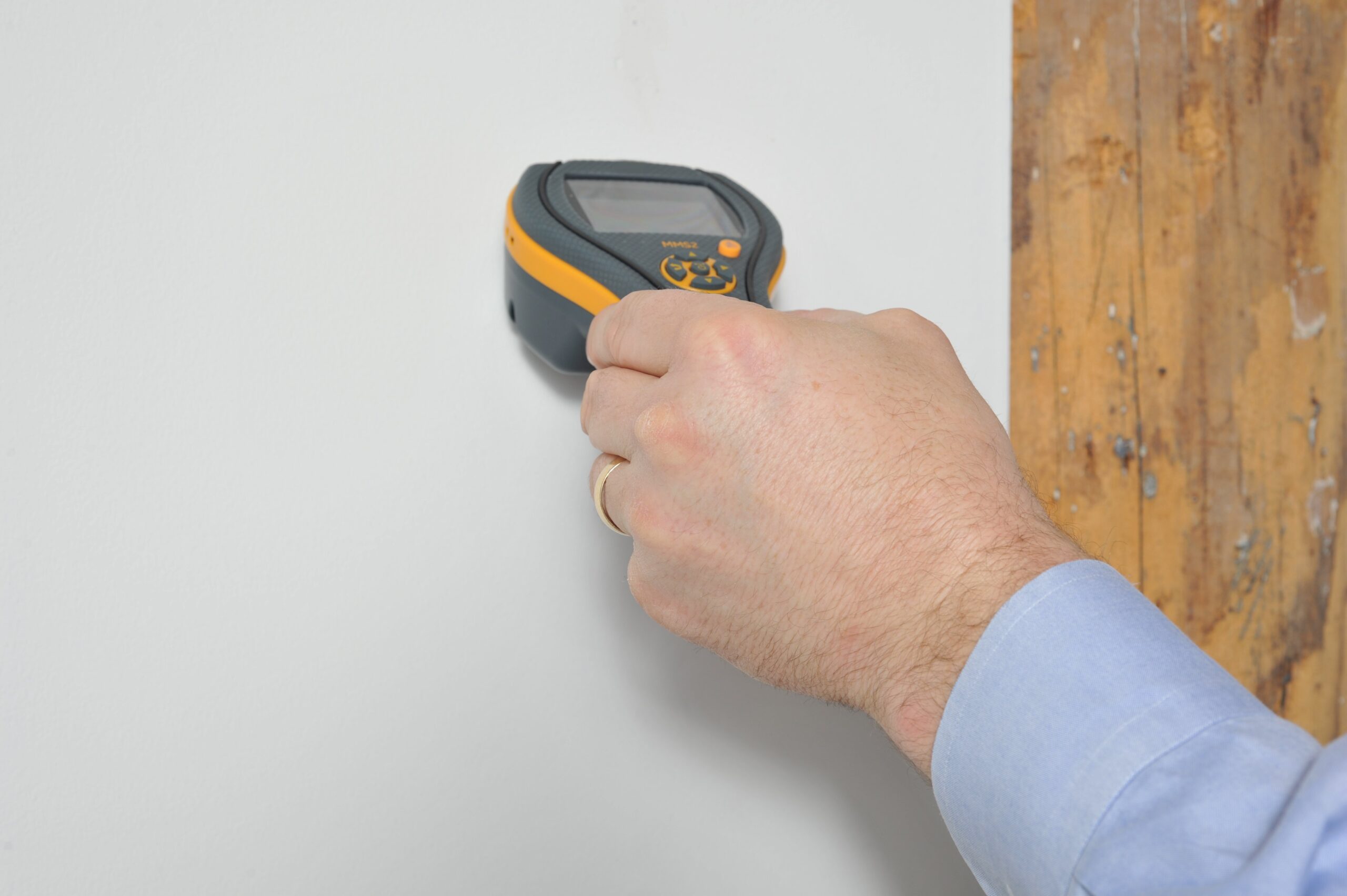
- Moisture meters to measure water content in materials
- Thermal imaging to detect hidden moisture
- Air sampling to evaluate airborne spores
These methods help identify problems that are not visible during a routine walkthrough.
Companies such as Tip Top Water and Fire Damage Restoration often perform inspections in Bal Harbour properties where humidity and coastal conditions increase the likelihood of hidden moisture.
Why Local Experience Makes a Difference
Mold inspection in coastal South Florida requires an understanding of local climate, building materials, and ventilation patterns.
Professionals familiar with Bal Harbour know how humidity, salt air, and seasonal storms influence moisture behavior inside homes and condominiums.
Tip Top Water and Fire Damage Restoration has experience working in Bal Harbour, Sunny Isles Beach, Biscayne Park, and surrounding communities where mold risks are influenced by coastal weather and construction styles.
Local knowledge helps ensure inspections are thorough and accurate.
A Practical Approach to Long-Term Protection
Mold problems rarely appear overnight. In most cases, they develop slowly as moisture accumulates in hidden areas. Regular inspections, proper maintenance, and early repairs are the most effective ways to protect a property over the long term.
For homeowners and property managers in Bal Harbour, staying proactive with mold inspections and moisture control can prevent costly repairs and preserve indoor comfort.
Long-term protection isn’t about reacting to visible damage—it’s about identifying risks early and preventing problems before they begin.