Long-Term Protection Tips Related to Mold Remediation in Coastal Neighborhoods Near Biscayne Bay
Mold remediation solves an immediate problem, but long-term protection is what truly safeguards a home. In coastal neighborhoods near Biscayne Bay, where humidity, storms, and salt air are constant factors, preventing mold from returning is just as important as removing it in the first place.
Why Mold Often Returns in Coastal Homes
Mold problems sometimes reappear after remediation, not because the removal process failed, but because the conditions that caused mold in the first place were not fully controlled.
In areas near Biscayne Bay, several environmental factors contribute to recurring mold:
- High humidity throughout most of the year
- Frequent heavy rain and storms
- Air conditioning systems that run constantly
- Salt air exposure affecting materials and equipment
- Limited airflow in tightly sealed homes
These conditions make moisture control the most important long-term strategy for preventing mold.
Understanding What Mold Needs to Grow
Mold requires three main elements:
- Moisture
- Organic material (such as drywall or wood)
- Limited airflow
Because most homes naturally contain materials mold can grow on, the key to prevention is controlling moisture and improving ventilation.
After remediation, maintaining a dry environment is essential to preventing mold from returning.
Tip 1: Control Indoor Humidity Consistently
Humidity is the single most important factor in mold prevention in coastal communities.
Helpful steps include:
- Monitoring humidity levels regularly
- Using dehumidifiers when needed
- Ensuring air conditioning systems operate efficiently
- Avoiding extended periods with windows open during humid weather
Keeping indoor humidity at a stable level helps prevent condensation inside walls, ducts, and insulation.
Tip 2: Maintain HVAC Systems Regularly
Air conditioning systems play a major role in both controlling and contributing to indoor moisture.
Routine maintenance helps prevent:
- Condensate line clogs
- Drain pan overflow
- Reduced airflow
- Condensation inside ductwork
Scheduling regular inspections and cleaning helps ensure the system removes humidity effectively and operates efficiently.
In communities like Miami Shores, North Miami, and Surfside, HVAC maintenance is often one of the most effective preventive measures against mold.
Tip 3: Inspect Areas That Are Easy to Overlook
Some of the most common mold problems begin in areas homeowners rarely check.
Important places to inspect periodically include:
- Attics and insulation
- Closets and storage spaces
- Behind appliances
- Under sinks and inside cabinets
- Around air handlers and ducts
Checking these areas regularly helps catch moisture problems early.
Tip 4: Address Water Intrusion Immediately
Water intrusion is one of the most common triggers for mold growth.
Situations that require prompt attention include:
- Roof leaks after storms
- Plumbing leaks or appliance failures
- AC condensation problems
- Flooding or standing water
Even small leaks can lead to mold if moisture remains trapped in materials for extended periods.
Thorough drying is just as important as repairing the leak itself.
Tip 5: Improve Ventilation Throughout the Home
Good airflow helps remove moisture and prevent condensation.
Practical ways to improve ventilation include:
- Using bathroom and kitchen exhaust fans
- Keeping interior doors open to allow airflow
- Ensuring attic ventilation is functioning properly
- Avoiding blocking vents and returns
Balanced airflow helps maintain stable humidity levels and prevents stagnant air pockets where mold can develop.
Tip 6: Monitor Building Materials After Repairs
After mold remediation or water damage repairs, it is important to monitor previously affected areas.
Watch for:
- Returning odors
- Discoloration or staining
- Soft or damp drywall
- Increased humidity in certain rooms
Early detection allows small problems to be addressed before they become serious.
Tip 7: Maintain Roofing and Exterior Seals
Many mold problems begin with water entering the home from above or through exterior openings.
Preventive maintenance includes:
- Inspecting roofs regularly
- Checking flashing and seals around vents
- Ensuring windows and doors are properly sealed
- Keeping gutters and drainage systems clear
In coastal environments, wind-driven rain can enter even small openings, making exterior maintenance especially important.
Tip 8: Pay Attention to Air Ducts and Insulation
Ductwork and insulation are common areas where moisture accumulates.
Potential problems include:
- Condensation forming on ducts
- Mold growth in duct insulation
- Poor airflow in certain areas
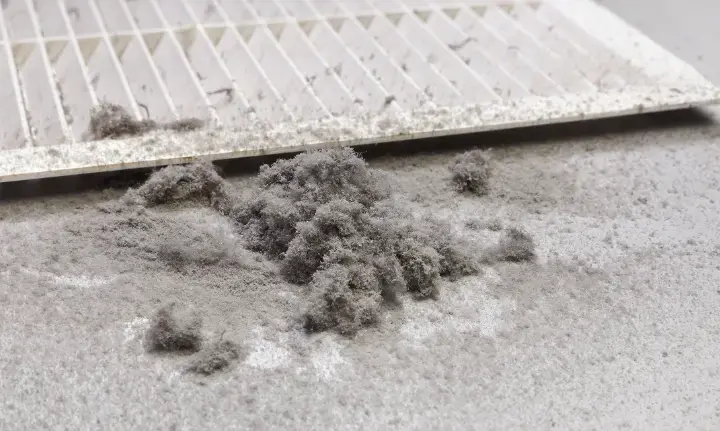
- Dust buildup that retains moisture
Periodic inspection and cleaning, when necessary, help maintain proper airflow and reduce moisture risks.
Lessons Learned from Local Properties Near Biscayne Bay
Real situations from homes in coastal neighborhoods reveal consistent patterns:
Humidity is often underestimated
Even without visible leaks, high humidity alone can lead to mold growth in enclosed spaces.
Attics and closets are frequent problem areas
Limited airflow and trapped heat often create ideal conditions for mold.
AC-related moisture is a common trigger
Drain line clogs and condensation issues frequently contribute to recurring mold problems.
Early intervention reduces repair costs
Homes where moisture issues were addressed quickly required less extensive remediation.
These observations highlight how routine maintenance plays a critical role in long-term protection.
Why Professional Inspections Still Matter
Even with careful maintenance, periodic professional inspections can help identify moisture issues that are not visible.
A professional evaluation may include:
- Moisture detection in walls and ceilings
- HVAC and duct inspection
- Humidity level assessment
- Attic and insulation checks
- Ventilation evaluation
Professionals familiar with coastal environments understand how humidity and building materials interact. Companies such as Tip Top Water and Fire Damage Restoration often focus on long-term moisture control strategies to help prevent recurring mold problems.
The Role of Preventive Maintenance in Mold Protection
Preventive maintenance is often the most cost-effective way to avoid future mold remediation.
Important habits include:
- Scheduling HVAC maintenance annually
- Inspecting plumbing and appliances
- Monitoring humidity levels
- Checking roofs and drainage systems
- Inspecting attics and storage areas
These steps help reduce the likelihood of moisture buildup and mold growth.
Why Local Experience Matters in Coastal Areas
Homes near Biscayne Bay experience environmental conditions that differ significantly from inland areas. Constant humidity, salt air, and seasonal storms all influence how moisture behaves inside buildings.
Professionals familiar with local conditions understand:
- How coastal humidity affects drying times
- Where mold commonly develops in local homes
- How ventilation and airflow influence moisture levels
- Which materials are most vulnerable to moisture damage
This knowledge helps ensure long-term protection strategies are effective.
A Practical Next Step for Property Owners
Mold remediation is only the first step in protecting a home. Long-term prevention depends on controlling humidity, maintaining HVAC systems, and addressing leaks quickly.
If you notice musty odors, humidity changes, or signs of moisture, having the home inspected early can prevent larger problems later. Working with experienced restoration professionals such as Tip Top Water and Fire Damage Restoration helps ensure that moisture issues are identified, corrected, and monitored over time.
With regular maintenance and attention to moisture control, property owners in coastal neighborhoods near Biscayne Bay can significantly reduce the risk of mold returning and keep their homes comfortable and well protected for years to come.