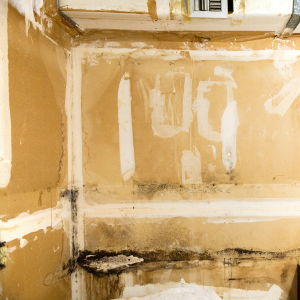
Long-Term Protection Tips Related to Mold Removal in Miami Shores
Living in Miami Shores has its advantages — beautiful tree-lined streets, proximity to Biscayne Bay, and a mix of classic older homes and updated construction. But like much of North Miami and surrounding coastal communities, the climate creates ideal conditions for mold growth.
After mold removal is completed, many homeowners ask the same question: how do we make sure it doesn’t come back?
Long-term protection is not about quick fixes. It’s about understanding moisture, ventilation, structural vulnerabilities, and the realities of South Florida’s humidity. With the right approach, homes in Miami Shores can stay dry, healthy, and mold-resistant year-round.
Understanding the Mold Issue
Mold is not the real problem — moisture is.
Mold spores exist naturally in the air. When they land on damp materials like drywall, wood framing, insulation, carpet, or ceiling tiles, they can begin to grow within 24 to 48 hours.
In Miami Shores and nearby areas like North Miami, Biscayne Park, and Surfside, the combination of:
- High humidity
- Heavy seasonal rains
- Coastal air moisture
- AC condensation
- Occasional flooding
creates constant opportunities for moisture intrusion.
True mold removal addresses the existing contamination. Long-term protection focuses on preventing moisture from returning.
Why Mold Recurrence Is Common in Miami Shores
Miami Shores homes face specific environmental pressures:
High Humidity Year-Round
Even when it’s not raining, outdoor humidity regularly exceeds 70%. That moisture finds its way indoors.
Afternoon Storms & Seasonal Rains
Heavy downpours can overwhelm drainage systems, especially in older properties.
Coastal Air Exposure
Salt-heavy air from Biscayne Bay carries moisture that affects roofing materials, attic spaces, and exterior walls.
Older Home Construction
Many homes in Miami Shores were built decades ago. Aging plumbing, original windows, and outdated ventilation systems can allow hidden moisture buildup.
Without consistent moisture control, mold often returns in the same areas — bathrooms, laundry rooms, closets, attics, and around AC systems.
Common Signs Homeowners Notice
Mold rarely announces itself loudly. In most cases, homeowners notice subtle warning signs first:
- A persistent musty odor
- Dark spots on ceiling corners
- Bubbling paint near baseboards
- Warped wood flooring
- Damp carpet after storms
- AC vents with visible discoloration
- Condensation on windows
In North Miami Beach and Aventura, where many properties include slab foundations, moisture may travel upward through flooring materials before visible mold appears.
Catching these signs early makes long-term protection much easier.
Hidden or Overlooked Sources of Moisture
Some of the most common mold recurrences in Miami Shores come from moisture sources homeowners don’t see.
AC Condensation Lines
Clogged or improperly pitched drain lines can cause slow, continuous water leaks.
Air Duct Sweating
Cold air passing through poorly insulated ducts in humid attics causes condensation.
Roof Flashing Gaps
Even small flashing failures allow water to seep into attic insulation.
Slab Foundation Seepage
Ground moisture can migrate upward, especially during heavy rains.
Bathroom Exhaust Failures
Improperly vented exhaust fans push humid air into attics instead of outside.
Professional moisture detection tools often reveal issues invisible to the eye. That’s why thorough inspection matters.
Why DIY Mold Removal Usually Fails
Many homeowners attempt to clean mold using household cleaners or bleach.
The problem is surface cleaning does not address:
- Moisture sources
- Hidden wall cavity contamination
- Porous material saturation
- Airborne spore spread
Bleach can lighten stains but does not penetrate deeply into drywall or wood framing. In fact, excessive moisture from cleaning solutions can make the problem worse.
In Miami Shores, recurring mold often happens because the original source — whether it was an AC leak, plumbing drip, or roof intrusion — was never corrected.
Professional Mold Inspection & Testing Explained
Long-term protection starts with accurate assessment.
A proper mold inspection in Miami Shores typically includes:
- Visual evaluation of affected areas
- Moisture meter readings
- Thermal imaging to detect hidden dampness
- Air sampling when appropriate
- Surface sampling if needed
- AC system evaluation
- Duct inspection
Testing helps determine the type and concentration of mold present. More importantly, it helps confirm when remediation has been successful.
Experienced local companies like Tip Top Water and Fire Damage Restoration approach inspections with a focus on identifying moisture patterns specific to South Florida homes.
Proper Mold Removal & Remediation Process
Effective mold remediation is methodical.
Containment
Affected areas are isolated to prevent spore spread.
Air Filtration
HEPA air scrubbers capture airborne particles.
Removal of Damaged Materials
Contaminated drywall, insulation, or carpet may need removal.
Cleaning & Disinfection
Non-porous surfaces are cleaned using professional-grade solutions.
Structural Drying
Industrial dehumidifiers and air movers reduce moisture levels.
Post-Remediation Verification
Moisture readings confirm dryness before rebuilding begins.
In Miami Shores, structural drying is especially critical due to ambient humidity. Drying must be measured — not guessed.
Flood Restoration & Water Damage Repair
Flooding dramatically increases the risk of mold recurrence.
During heavy rain events in areas like North Miami and Biscayne Park, water intrusion can occur through:
- Sliding glass doors
- Garage thresholds
- Foundation cracks
- Roof failures
Flood restoration involves:
- Water extraction
- Moisture mapping
- Controlled demolition where needed
- Structural drying
- Dehumidification
- Repair and rebuild
If materials remain even slightly damp, mold can develop weeks later. Long-term protection requires thorough drying after any water intrusion.
Air Ducts, AC Systems & Mold
In Miami Shores, air conditioning systems operate almost year-round. That constant operation creates condensation.
Common AC-related mold risks include:
- Clogged drain pans
- Dirty evaporator coils
- Unsealed duct joints
- Insufficient attic insulation
- Oversized units that short-cycle
Duct cleaning and moisture control around HVAC systems are essential long-term strategies.
Routine maintenance prevents condensation buildup and reduces the chance of hidden mold inside air ducts.
Long-Term Mold Prevention Strategies
Protecting your Miami Shores property requires consistent attention to moisture.
Maintain Indoor Humidity Between 45–55%
Use dehumidifiers when necessary.
Service Your AC System Annually
Ensure drain lines are clear and insulation is intact.
Improve Ventilation
Properly vent bathrooms, kitchens, and laundry areas.
Inspect Roof & Flashing Before Storm Season
Small repairs prevent large problems.
Monitor Attics
Look for signs of sweating ductwork or damp insulation.
Seal Windows & Doors
Prevent wind-driven rain intrusion.
Address Leaks Immediately
Even small plumbing drips should be repaired quickly.
Use Moisture Detection During Renovations
Before closing walls, confirm dryness.
In coastal communities like Surfside and Bal Harbour, added attention to exterior sealing and ventilation is especially important.
Why Local Experience Matters
Mold prevention in Miami Shores is different from mold prevention in dry climates.
Florida’s heat, humidity, salt air, and storm patterns require specialized understanding.
Local professionals recognize patterns unique to:
- Slab foundations common in North Miami
- Older plumbing systems in Miami Shores
- High-rise moisture behavior in Sunny Isles Beach
- Bayfront exposure in Aventura
Companies like Tip Top Water and Fire Damage Restoration understand these local building characteristics and environmental conditions. That local insight makes prevention strategies more effective and realistic.
Long-term protection is not just about cleaning mold. It’s about understanding how moisture moves through South Florida homes.
A Calm, Practical Approach to Protection
If you’ve already completed mold removal in your Miami Shores home, that’s an important step.
The next step is staying proactive.
Regular inspections, humidity control, AC maintenance, and quick action after storms make a significant difference. Mold prevention is not complicated — but it does require consistency.
If you ever notice early warning signs, a professional evaluation can provide clarity before the issue grows.
Protecting your home in Miami Shores is about staying informed, staying attentive to moisture, and working with experienced local professionals who understand how South Florida homes behave.
Long-term mold protection is achievable — and with the right approach, your home can remain dry, stable, and resilient for years to come.