
Mold Remediation in Bal Harbour: A Practical Home Maintenance Guide
Bal Harbour is known for its luxury waterfront homes, oceanfront condominiums, and beautiful coastal lifestyle. But living so close to the ocean also means dealing with constant humidity, seasonal storms, and moisture exposure that can lead to indoor mold problems. For many homeowners and property managers, mold remediation eventually becomes part of maintaining a coastal property.
Understanding how mold remediation works—and how it connects to long-term home maintenance—helps Bal Harbour residents prevent recurring issues and protect both property value and indoor air quality. Mold problems rarely disappear on their own, but with proper remediation and preventive care, homes can remain safe and comfortable year-round.
This guide explains what homeowners need to know about mold remediation and how to avoid future problems.
Understanding Mold Problems in Coastal Homes
Mold develops when moisture remains present on building materials long enough for spores to grow. Drywall, wood, insulation, carpeting, and even dust can support mold growth when exposed to humidity or water intrusion.
In Bal Harbour, mold often forms after roof leaks, plumbing failures, air conditioning condensation issues, or storm-related water intrusion. However, mold can also grow simply from prolonged humidity exposure without any obvious flooding event.
Because mold spores move easily through indoor air, contamination in one room can eventually affect other areas if not properly addressed. Mold often grows in hidden locations long before homeowners notice visible signs.
Why Mold Develops So Often in Bal Harbour Properties
Bal Harbour properties face moisture exposure year-round. Coastal air contains high humidity levels, and even well-sealed homes cannot completely block moisture from entering.
Storm-driven rain and seasonal weather can force water into buildings through roofs, windows, balconies, and exterior walls. Older buildings sometimes have worn seals or aging construction materials that allow moisture intrusion, while newer properties may still experience condensation or ventilation problems.
Air conditioning systems also run nearly all year in South Florida. These systems produce condensation that must drain correctly. When drain lines clog or insulation fails, moisture may leak into ceilings or walls.
Because of these environmental factors, mold remediation is a frequent necessity for coastal homeowners.
Warning Signs That Mold May Be Present
Mold problems often start with subtle signs. Homeowners in Bal Harbour commonly request inspections after noticing:
Persistent musty odors indoors
Dark spots or staining on ceilings or walls
Peeling paint or bubbling drywall
Condensation forming around vents or windows
Damp closets or storage areas
Increased indoor humidity
These warning signs usually indicate moisture remains trapped somewhere in the home, allowing mold growth to spread behind surfaces.
Ignoring these symptoms allows contamination to worsen.
Hidden Moisture Sources Often Discovered
Professional inspections frequently reveal hidden moisture sources homeowners never suspected. Common examples include:
Slow plumbing leaks behind walls
Clogged AC condensate drain lines
Sweating ductwork in attics or ceilings
Roof leaks after storms
Poor ventilation in bathrooms or kitchens
Moisture trapped beneath flooring
Because these areas are rarely visible, mold can spread significantly before detection. Proper remediation must address both visible growth and hidden moisture to prevent recurrence.
Why DIY Mold Removal Usually Fors Fails
Homeowners sometimes try to clean mold themselves using bleach or household cleaners. While this may remove visible staining, it rarely eliminates mold embedded inside porous materials.
DIY cleaning can also disturb spores, allowing contamination to spread throughout the home. Mold often returns because the moisture source remains unresolved.
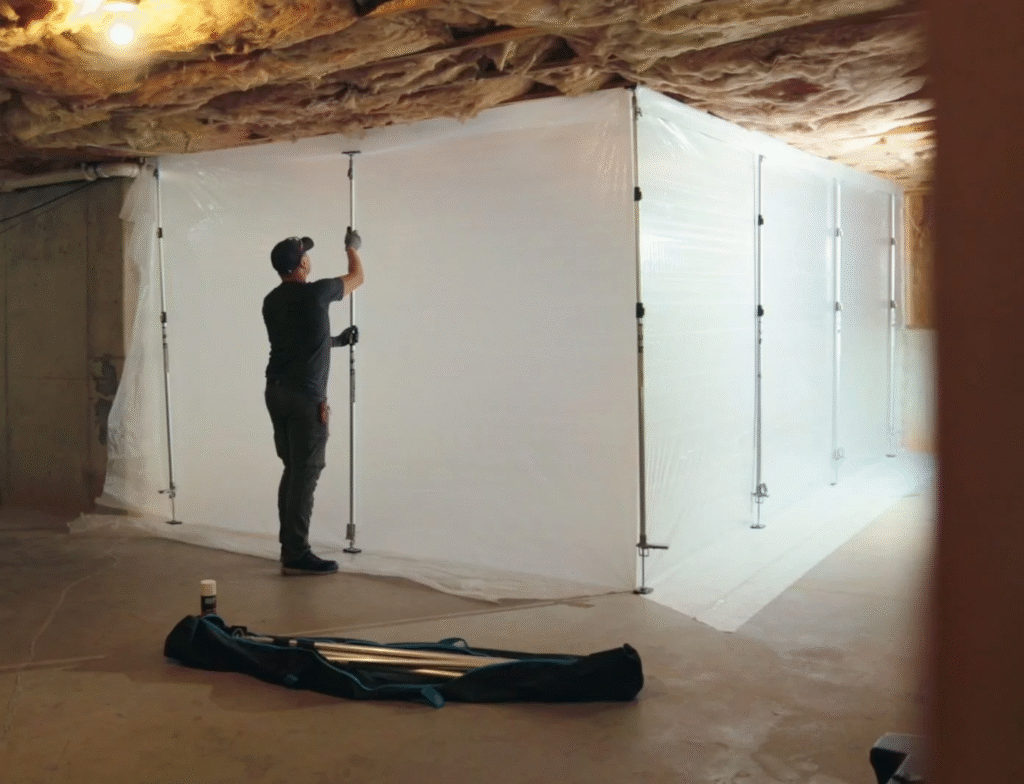
Professional remediation uses containment systems, specialized cleaning products, and moisture control techniques that household methods cannot provide. Proper procedures protect unaffected areas while ensuring contamination is safely removed.
Professional Mold Inspection and Testing
Mold remediation begins with a professional inspection. Specialists evaluate visible mold growth while also searching for hidden moisture sources.
Moisture meters and thermal imaging equipment detect damp materials behind walls and under flooring. HVAC systems and ventilation patterns are also evaluated because condensation often contributes to mold growth.
Air or surface testing may be used to confirm contamination levels when necessary. Inspection ensures remediation targets both visible and hidden mold.
Correct assessment prevents mold from returning after cleanup.
The Mold Remediation Process Explained
Once inspection is complete, remediation begins by isolating affected areas. Containment barriers and air filtration equipment prevent spores from spreading during cleanup.
Contaminated materials such as drywall or insulation may be removed if mold has penetrated deeply. Surfaces that can be restored are cleaned using professional antimicrobial treatments.
After cleanup, drying equipment eliminates remaining moisture so mold cannot regrow. Repairs follow, replacing materials removed during remediation and restoring the home’s appearance.
Companies like Tip Top Water and Fire Damage Restoration regularly help Bal Harbour homeowners navigate remediation and restoration after moisture problems occur.
How Water Damage and Flooding Lead to Mold
In coastal communities, mold problems often follow water damage events. Heavy rain, storm surge, or plumbing failures introduce moisture that later allows mold growth.
Flood restoration involves water removal, drying, and sanitization. However, if drying is incomplete, mold frequently appears weeks later.
Prompt restoration after flooding reduces the chance mold remediation will become necessary. Quick action protects building materials and indoor air quality.
HVAC Systems and Mold Spread
Air conditioning systems play a major role in mold problems. Condensation leaks or poorly insulated ducts may introduce moisture into ceilings or walls.
If mold develops inside ductwork, spores can spread throughout the home whenever the system runs. During remediation, HVAC systems are inspected to determine whether cleaning or repairs are needed.
Maintaining ducts and AC equipment reduces moisture risks and improves indoor air quality.
Preventing Mold Problems Through Maintenance
Long-term prevention is especially important in coastal areas. Homeowners can reduce mold risks by maintaining air conditioning systems, repairing leaks quickly, and controlling indoor humidity.
Helpful preventive steps include:
Clearing condensate drain lines regularly
Improving ventilation in bathrooms and kitchens
Using dehumidifiers during humid periods
Inspecting roofs and windows after storms
Scheduling periodic moisture inspections
Taking small preventive actions helps avoid costly remediation later.
Why Local Experience Matters
Mold behaves differently in coastal South Florida than in drier regions. Professionals familiar with Bal Harbour properties understand local construction methods, humidity patterns, and common moisture trouble spots.
Local expertise allows inspectors and remediation teams to identify problems quickly and recommend solutions suited to coastal conditions rather than generic approaches.
Tip Top Water and Fire Damage Restoration frequently works with homeowners throughout Bal Harbour and surrounding communities facing moisture and mold challenges unique to waterfront living.
A Practical Path Forward for Homeowners
Mold problems can feel overwhelming, but understanding remediation and maintenance makes recovery manageable. Professional inspection, safe removal, and moisture correction restore homes safely while preventing future contamination.
With routine maintenance and quick action after leaks or storms, Bal Harbour residents can enjoy coastal living while keeping homes clean, comfortable, and mold-free.
Proactive moisture control protects both property value and indoor health for years to come.