
Mold Remediation in Surfside: A Practical Home Maintenance Guide
In Surfside, mold is rarely a surprise — but it is often underestimated.
Between ocean humidity, wind-driven rain, and year-round air conditioning, moisture is a constant factor in coastal homes. Most mold problems don’t begin with visible black patches on walls. They start with elevated humidity, a slow plumbing drip, or condensation building up behind closed doors.
For homeowners in Surfside and nearby coastal communities like Bal Harbour, Sunny Isles Beach, and North Miami Beach, mold remediation isn’t just about removal. It’s about understanding why mold developed in the first place and how to prevent it from returning.
This practical guide explains how mold remediation works in Surfside and how ongoing home maintenance supports long-term protection.
What Mold Remediation Actually Means
Mold remediation is not the same as surface cleaning.
Wiping visible growth off drywall does not solve the problem. Mold spores are microscopic and spread through the air. If moisture remains, growth will return.
Proper remediation includes:
- Identifying and correcting the moisture source
- Containing affected areas
- Removing contaminated materials when necessary
- Cleaning and treating surfaces
- Filtering airborne spores
- Verifying dryness before rebuilding
In Surfside’s coastal environment, controlling humidity is just as important as removing mold itself.
Why Mold Is So Common in Surfside
Surfside sits directly along the Atlantic, exposed to salt air and elevated humidity throughout the year.
Mold frequently develops due to:
- AC condensation overflow
- Roof leaks during storms
- Wind-driven rain around windows
- Plumbing leaks inside walls
- High indoor humidity in tightly sealed condos
- Slab foundation moisture migration
High-rise properties in Sunny Isles Beach and Aventura often experience condensation issues due to temperature differences between cooled interiors and humid exterior air.
Older homes in North Miami and Miami Shores may have aging plumbing or ventilation systems that allow hidden moisture to accumulate.
In all of these cases, moisture is the underlying cause.
Common Signs Mold May Be Present
Mold does not always announce itself visibly.
In Surfside homes, common warning signs include:
- Persistent musty odor
- Peeling paint or bubbling drywall
- Warped baseboards
- Discoloration near vents
- Elevated indoor humidity
- Recurring condensation on windows
Closets, laundry rooms, and bathrooms are common starting points because they often have limited airflow.
Attics in coastal homes can also trap humid air if ventilation is inadequate.
The First Step: Identifying the Moisture Source
No remediation plan begins without locating the cause.
Experienced inspectors check:
- AC drain lines and air handlers
- Roof flashing and penetrations
- Window seals
- Plumbing connections
- Slab moisture levels
- Bathroom and kitchen ventilation
In Surfside condos, shared walls and ceiling cavities may require evaluation if moisture migrates between units.
If the source is not corrected, remediation will only provide temporary relief.
Tip Top Water and Fire Damage Restoration emphasizes moisture detection as the foundation of successful mold remediation in coastal environments.
Containment: Preventing Spread
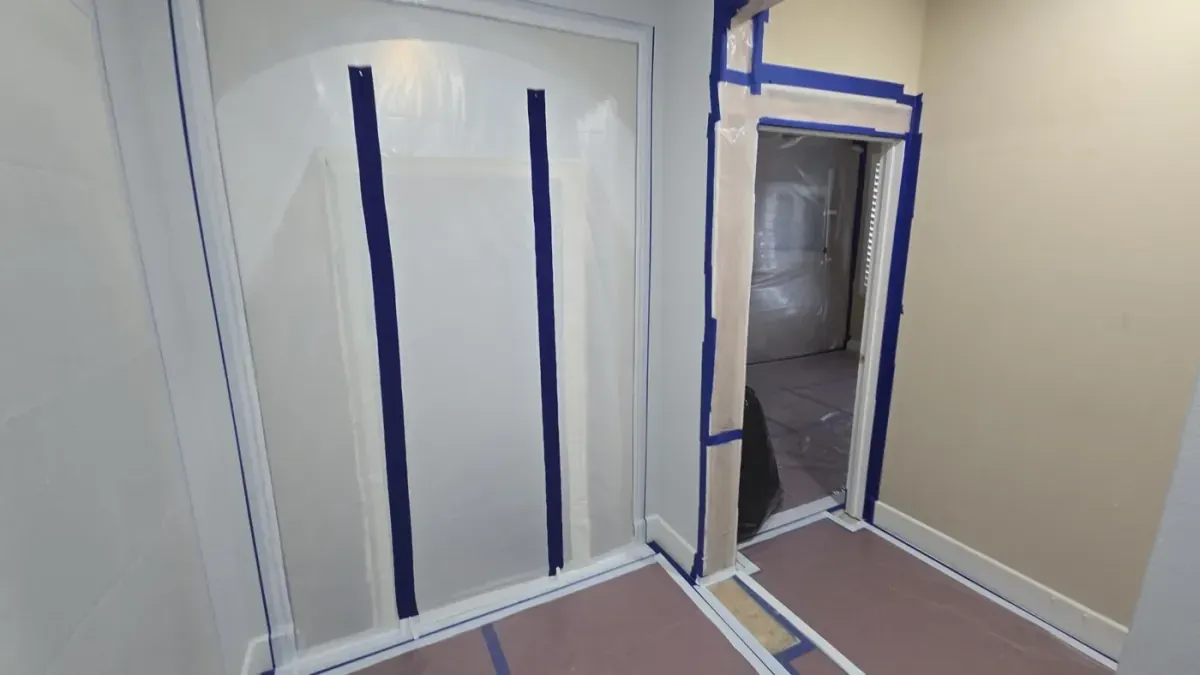
Once mold growth is confirmed, containment prevents spores from spreading to unaffected areas.
Containment typically includes:
- Sealing off the affected space with plastic barriers
- Using negative air pressure
- Installing high-efficiency air filtration devices
In high-rise condos, containment is especially important to avoid cross-contamination through hallways or shared ventilation systems.
Proper containment protects both occupants and unaffected areas of the property.
Removal of Contaminated Materials
Not all materials can be cleaned.
Porous materials such as:
- Drywall
- Insulation
- Carpet padding
- Ceiling tiles
may require removal if mold growth is extensive.
In slab-on-grade homes in North Miami and Miami Shores, moisture may travel upward through flooring, requiring removal of baseboards or sections of drywall.
Careful removal prevents spores from spreading during demolition.
Cleaning and Surface Treatment
Non-porous surfaces can often be cleaned and treated.
This includes:
- Tile
- Concrete
- Metal
- Sealed wood
Professional-grade cleaning agents are used to remove residue and treat affected areas.
Air filtration equipment operates continuously during this stage to capture airborne spores.
In humid coastal areas, drying is equally important. Surfaces must reach appropriate moisture levels before reconstruction begins.
Structural Drying and Humidity Control
After removal and cleaning, structural drying ensures that no residual moisture remains.
This may involve:
- Commercial dehumidifiers
- Air movers
- Ongoing moisture monitoring
Humidity control is especially critical in Surfside, where outdoor humidity frequently exceeds indoor comfort levels.
Keeping indoor humidity below 60 percent reduces the chance of regrowth.
In ocean-facing properties, sealed building envelopes sometimes trap humidity indoors if ventilation is inadequate.
HVAC and Air Duct Considerations
Air conditioning systems can spread mold spores if contaminated.
Remediation often includes:
- Inspecting air handlers
- Cleaning ductwork
- Replacing filters
- Ensuring condensate lines are clear
In coastal condos, HVAC maintenance is one of the most important ongoing prevention steps.
Without attention to duct systems, spores may continue circulating.
Practical Maintenance Tips After Remediation
Once mold remediation is complete, long-term maintenance prevents recurrence.
Property owners in Surfside should:
- Schedule regular AC servicing
- Keep condensate drain lines clear
- Monitor indoor humidity
- Inspect roofs annually
- Maintain window seals
- Ensure proper ventilation in bathrooms and kitchens
Routine maintenance is not optional in South Florida’s climate. It is essential.
Slab Foundations and Coastal Drainage
Many homes in North Miami Beach and parts of Surfside sit on slab foundations.
After heavy rain, groundwater levels may rise. Poor exterior drainage can allow moisture to migrate into flooring edges.
Maintaining proper grading around the home and ensuring downspouts direct water away from the foundation reduces long-term risk.
Ignoring slab moisture often leads to recurring mold problems along baseboards.
Why DIY Mold Removal Falls Short
Homeowners sometimes attempt to remove mold with household cleaners.
However, without containment and moisture correction:
- Spores spread through the air
- Hidden growth remains behind walls
- Odor persists
- Mold returns
Surface cleaning does not address airborne contamination or hidden dampness.
Professional remediation focuses on eliminating both the growth and the conditions that allowed it.
Why Local Experience Matters in Surfside
Mold remediation in Surfside requires understanding:
- Coastal humidity patterns
- Salt air exposure
- Slab construction
- High-rise ventilation systems
- Continuous AC operation
What works in a dry inland environment may not be sufficient along the coast.
Tip Top Water and Fire Damage Restoration has addressed mold issues throughout Surfside, Bal Harbour, Sunny Isles Beach, and nearby communities with strategies tailored to Florida’s environmental conditions.
Local knowledge ensures that remediation addresses both visible mold and long-term moisture control.
Moving Forward After Mold Remediation
Mold remediation is not just about removing growth. It is about restoring balance to the indoor environment.
By correcting moisture sources, maintaining HVAC systems, monitoring humidity, and performing regular inspections, Surfside property owners can significantly reduce the likelihood of recurrence.
Coastal living comes with unique environmental factors. With proactive maintenance and informed remediation practices, mold does not have to become an ongoing concern.
Understanding the process empowers homeowners to protect their properties long after remediation is complete.