
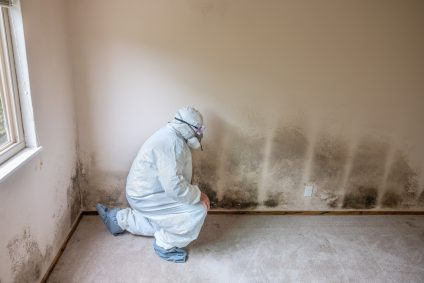
Mold Removal in Surfside: What to Expect During Inspection and Repair
Surfside’s oceanfront setting and coastal lifestyle make it a desirable place to live, but the same environmental factors that draw residents to the area also create ongoing moisture challenges. High humidity, salt air exposure, and frequent rain events mean homes and condos are constantly exposed to moisture, increasing the risk of mold growth.
For homeowners, landlords, and property managers in Surfside, mold removal is not uncommon. However, many people are unsure what actually happens during inspection and repair. Understanding the process helps reduce stress, prevents future problems, and ensures restoration work is handled correctly.
Knowing what to expect makes the experience far less overwhelming.
Understanding Mold Problems in Surfside Homes
Mold forms when moisture lingers on surfaces long enough for spores to grow. In coastal communities like Surfside, moisture often enters homes through humid air, AC condensation, storm-driven rain, or small leaks that go unnoticed.
Mold can grow on drywall, ceilings, wood framing, carpets, insulation, and even inside air conditioning systems. Because spores spread easily through indoor air, growth in one room can quickly affect other parts of the property.
The challenge is that mold often develops in hidden spaces before homeowners ever see visible signs.
Why Mold Issues Are So Common in Coastal Properties
Surfside homes and condos sit directly along the coastline, meaning properties are constantly exposed to moisture-heavy air. Even when windows remain closed, humidity enters buildings through tiny openings, ventilation systems, and daily activity.
Air conditioning systems run nearly year-round, producing condensation that must drain properly. When drain lines clog or components fail, water can leak into ceilings or walls.
Storms and wind-driven rain also contribute to moisture intrusion, especially in buildings with aging windows, roofs, or exterior seals.
These factors combine to create frequent mold risks throughout Surfside properties.
Signs That Prompt a Mold Inspection
Many mold problems begin subtly. Homeowners often request inspections after noticing:
Musty odors that don’t go away
Dark spotting on walls or ceilings
Peeling paint or warped drywall
Persistent indoor humidity
Condensation around vents or windows
Damp closets or storage areas
Because mold frequently grows behind surfaces, visible signs often appear only after contamination has spread.
Step One: Professional Mold Inspection
The mold removal process begins with a professional inspection. This step is critical because effective remediation depends on finding both visible mold and hidden moisture sources.
Inspectors examine affected rooms, ceilings, closets, and HVAC components. Specialized moisture detection equipment helps locate damp materials behind walls or under flooring.
Thermal imaging and moisture meters reveal hidden water intrusion, ensuring remediation addresses the true source of the problem.
Air or surface testing may also be conducted to confirm mold presence and evaluate contamination levels when necessary.
Step Two: Finding and Fixing the Moisture Source
Removing mold without correcting moisture issues only leads to recurrence. In Surfside homes, common moisture sources include AC condensation leaks, roof intrusion, plumbing leaks, or poorly ventilated areas.
Professionals determine how water is entering or accumulating and recommend repairs before remediation begins. Fixing drainage issues, improving ventilation, or repairing leaks prevents mold from returning.
This step is essential for long-term success.
Step Three: Containment Before Removal Begins
Once inspection is complete, affected areas are contained to prevent mold spores from spreading during cleanup.
Plastic barriers and air filtration equipment isolate contaminated spaces, protecting clean areas of the home. This containment step is often overlooked in DIY attempts, leading to spores spreading throughout the property.
Professional containment keeps remediation controlled and effective.
Step Four: Removal of Mold-Contaminated Materials
Depending on the severity of contamination, certain materials may need removal. Porous materials like drywall, insulation, or carpet padding often cannot be fully cleaned once mold has penetrated them.
Technicians carefully remove and dispose of contaminated materials while minimizing disturbance to unaffected areas. Surfaces that can be restored are treated using professional cleaning and antimicrobial solutions.
Safe removal ensures mold does not remain hidden behind repaired surfaces.
Step Five: Cleaning, Treatment, and Drying
After contaminated materials are removed, all surrounding surfaces are thoroughly cleaned and treated. Specialized equipment ensures spores are removed from structural materials.
Drying is equally important. High-capacity air movers and dehumidifiers are used to eliminate residual moisture. Surfside’s humidity makes this step especially critical, as incomplete drying can quickly allow mold to return.
Professional drying ensures moisture levels return to safe ranges.
Step Six: HVAC and Air Duct Inspection
Air conditioning systems often spread mold spores throughout homes. During remediation, HVAC systems and ductwork are inspected to determine whether contamination has entered the system.
Cleaning ducts and servicing AC components may be recommended to improve air quality and prevent mold from redistributing through airflow.
Proper HVAC maintenance also reduces future condensation problems.
Step Seven: Repairs and Restoration
Once cleanup and drying are complete, repair work begins. This may involve replacing drywall, repainting walls, reinstalling insulation, or repairing damaged flooring.
Restoration restores both appearance and structural integrity. Addressing repairs quickly prevents lingering odors or moisture issues from developing later.
Companies like Tip Top Water and Fire Damage Restoration often assist Surfside homeowners through both remediation and repair stages, ensuring a smoother recovery process.
Preventing Mold Problems After Removal
Prevention is especially important in coastal communities. Homeowners can reduce mold risks by keeping AC systems maintained, replacing filters regularly, and ensuring condensate drain lines remain clear.
Monitoring humidity levels and addressing leaks immediately also helps. Proper ventilation in kitchens, bathrooms, and closets reduces moisture buildup in enclosed spaces.
Routine inspections after storms or prolonged humid periods help identify early warning signs before mold spreads.
Why Local Experience Matters
Mold behavior in Surfside differs from inland environments due to constant coastal humidity and salt air exposure. Professionals familiar with local construction styles and climate patterns understand where mold commonly develops and how to address it effectively.
Local expertise helps inspections move faster and ensures solutions are tailored to coastal conditions rather than generic approaches.
A Practical Path Forward for Surfside Homeowners
Discovering mold can feel overwhelming, but understanding the inspection and repair process helps homeowners move forward confidently. Professional inspections, proper containment, safe removal, and moisture correction work together to restore homes safely.
With early action and proper repairs, mold problems can be resolved effectively while preventing future recurrence.
For Surfside residents, staying proactive about moisture control keeps homes comfortable, safe, and protected in a climate where humidity never fully disappears.