Mold Testing in Sunny Isles Beach: A Practical Home Maintenance Guide
Sunny Isles Beach, along with nearby coastal communities such as North Miami Beach, Aventura, Bal Harbour, North Miami, Miami Shores, Surfside, and Biscayne Park, offers beautiful waterfront living. However, the combination of Florida’s high humidity, frequent rains, and coastal air exposure makes homes in this area particularly vulnerable to mold growth. Even minor water intrusion, poor ventilation, or AC condensation can lead to hidden mold problems that threaten indoor air quality and property integrity.
Mold testing is a key part of a comprehensive home maintenance plan. By understanding the process, recognizing common risk areas, and implementing preventive measures, homeowners can protect both their health and their investment.
What Mold Testing Involves
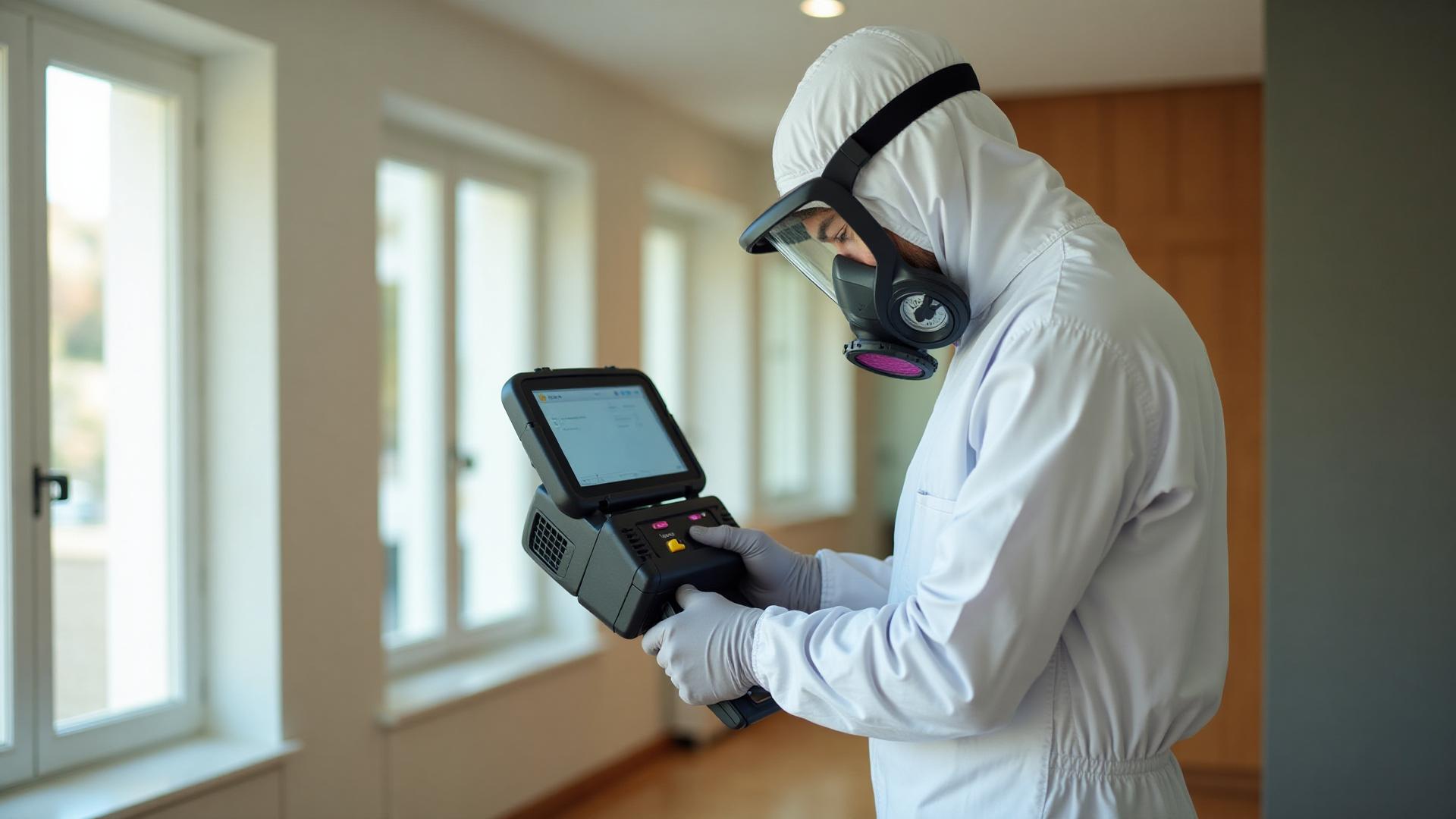
Mold testing is the process of identifying the presence, type, and concentration of mold in a property. This goes beyond visible spots on walls or ceilings. Professionals assess the home for hidden moisture sources and microbial growth in areas that are difficult to see.
Key objectives of mold testing include:
- Detecting both visible and hidden mold
- Determining mold types and spore levels
- Identifying moisture problems that allow mold to grow
- Informing proper remediation strategies
- Preventing long-term structural damage and air quality issues
Mold testing is not a one-time step—it’s a critical part of ongoing home maintenance, especially in humid, coastal environments like Sunny Isles Beach.
Why Mold Is Common in Sunny Isles Beach
Several environmental and structural factors contribute to mold growth in Sunny Isles Beach homes:
- High humidity: Coastal Florida often maintains indoor and outdoor humidity above 60%, creating ideal conditions for mold spores to thrive.
- Stormwater intrusion: Heavy rains and seasonal storms can penetrate roofs, windows, and doors, introducing moisture into hidden spaces.
- AC condensation issues: Condensate lines, drip pans, or coils that are blocked or malfunctioning can allow moisture to seep into walls or ceilings.
- Older plumbing and building materials: Aging homes may have slow leaks or compromised seals that foster mold growth behind surfaces.
- Poor ventilation: Bathrooms, attics, and crawl spaces without adequate airflow trap moisture and accelerate microbial development.
These factors make proactive mold testing essential, even when visible mold is not yet apparent.
Common Signs Homeowners Notice
Homeowners may recognize mold issues through several indicators:
- Visible mold on walls, ceilings, or floors
- Musty or damp odors in closets, attics, or crawl spaces
- Staining or discoloration on paint, wallpaper, or wood surfaces
- Condensation on windows, walls, or pipes
- Warping or softening of flooring
- HVAC-related odors or reduced airflow due to mold in ductwork
Even if no signs are present, mold spores can circulate through the air and settle in hidden areas, highlighting the importance of professional testing.
Hidden or Overlooked Sources of Mold
Experienced inspectors focus on areas that homeowners often overlook:
- Crawl spaces and attics: High humidity and poor ventilation can foster mold growth in these concealed areas.
- Behind cabinets and under sinks: Slow leaks from plumbing often go unnoticed, creating ideal conditions for microbial growth.
- HVAC systems and ducts: Moisture in air handlers or ductwork can spread spores throughout the home.
- Walls, ceilings, and flooring: Water intrusion from slab leaks, roof leaks, or window seals can create hidden mold colonies.
- Exterior penetrations: Improperly sealed windows, balcony connections, or wall cracks allow wind-driven rain to enter walls.
Professional mold testing identifies these hidden areas and ensures that remediation addresses the source of moisture, not just the visible mold.
Why DIY Mold Testing Often Fails
Many homeowners attempt DIY mold tests using kits purchased at local stores. While these kits may detect some surface-level spores, they often fail to provide accurate or comprehensive results:
- Hidden mold in walls, slabs, or ducts is rarely detected
- DIY kits cannot identify mold type or concentration levels accurately
- Without addressing moisture sources, mold often returns
- Misinterpretation of results can lead to incomplete remediation or unnecessary repairs
Professional mold testing combines advanced tools, sampling techniques, and local expertise to provide actionable results and ensure thorough protection.
Professional Mold Testing Techniques
Mold inspectors in Sunny Isles Beach use a combination of methods to assess homes accurately:
- Air sampling: Measures airborne spores in living spaces, attics, and crawl spaces.
- Surface sampling: Collects mold spores from walls, floors, and other surfaces for laboratory analysis.
- Moisture mapping: Uses moisture meters, thermal imaging, and humidity sensors to detect hidden damp areas.
- HVAC inspection: Evaluates air ducts and air handlers for contamination that could affect indoor air quality.
- Material assessment: Determines whether porous materials like drywall, insulation, or flooring require removal.
These techniques ensure both visible and hidden mold is identified and inform a comprehensive remediation plan.
Proper Mold Remediation Process
Once testing identifies mold, a structured remediation process is implemented:
- Containment: Isolating affected areas to prevent spore spread
- Removal: Cleaning or safely removing contaminated materials
- Disinfection: Treating surfaces, HVAC systems, and ducts with antimicrobial solutions
- Drying: Using commercial dehumidifiers and air movers to eliminate residual moisture
- Repair and restoration: Replacing damaged materials and sealing moisture entry points
- Verification testing: Ensuring mold levels have returned to safe ranges
Addressing the root cause of moisture is critical to preventing mold recurrence.
Long-Term Home Maintenance Strategies
Homeowners can take proactive steps to minimize future mold growth:
- Maintain proper AC operation, including cleaning condensate lines and drip pans
- Inspect plumbing and roofing for slow leaks or water intrusion points
- Ensure proper ventilation in attics, crawl spaces, and bathrooms
- Monitor indoor humidity levels with hygrometers or dehumidifiers
- Schedule periodic professional mold inspections, especially after storms or leaks
- Seal exterior windows, doors, and balcony penetrations to prevent water intrusion
Implementing these strategies protects indoor air quality and structural integrity while reducing the risk of expensive remediation.
Why Local Experience Matters
Sunny Isles Beach presents unique challenges for mold detection and remediation due to coastal humidity, salt-laden air, and older building construction. Local expertise ensures:
- Accurate identification of hidden moisture and mold sources
- Knowledge of common leak points and environmental conditions affecting properties near the water
- Effective long-term strategies tailored to the local climate and coastal building materials
Tip Top Water and Fire Damage Restoration’s experience across Sunny Isles Beach, North Miami Beach, Aventura, Bal Harbour, North Miami, Miami Shores, Surfside, and Biscayne Park ensures that homeowners receive precise, effective mold testing and remediation guidance.
Calm, Trust-Based Call to Action
Mold testing is an essential part of maintaining safe, healthy, and structurally sound homes in Sunny Isles Beach. By identifying hidden mold, addressing moisture sources, and implementing ongoing preventive strategies, homeowners can protect both their property and their indoor air quality. Partnering with a trusted local company ensures that mold issues are identified accurately, remediated effectively, and mitigated for the long term, giving homeowners confidence in their home’s comfort, safety, and value.