
Mold Testing in Surfside: How Professionals Approach the Issue
Surfside’s coastal setting offers beautiful ocean breezes and easy beach access, but it also presents ongoing challenges for homeowners when it comes to indoor moisture and mold growth. The same humid air and seasonal storms that make coastal living appealing can quietly create conditions that allow mold to develop inside homes, condos, and rental properties.
Many property owners in Surfside are surprised to learn that mold problems often begin long before visible stains appear on walls or ceilings. By the time mold becomes noticeable, it may already have spread behind walls or into ventilation systems. This is why professional mold testing plays such an important role in maintaining healthy and structurally sound homes throughout the area.
Understanding how professionals approach mold testing can help homeowners recognize when it’s time to seek expert assistance and prevent small moisture issues from becoming expensive restoration projects.
What Mold Is and Why Testing Is Important
Mold is a naturally occurring fungus that thrives in warm, damp environments. In South Florida’s coastal climate, indoor spaces can easily reach the moisture levels mold needs to grow, especially when ventilation or drainage issues exist.
Mold spreads through tiny airborne spores that settle on damp surfaces. Once moisture is present, spores can quickly develop into visible colonies on drywall, wood framing, insulation, carpets, and even inside air conditioning systems.
Testing is important because mold is not always visible. Professional testing identifies hidden growth and moisture conditions that may otherwise remain unnoticed.
Mold testing helps determine:
• Whether mold is present in indoor air
• Locations where moisture is accumulating
• Types of mold affecting the property
• Areas needing remediation or repair
In communities like Surfside, testing is often part of routine property maintenance rather than an emergency response.
Why Mold Issues Are Common in Surfside Homes
Surfside properties face environmental challenges that make mold growth more likely compared to inland areas. Several local conditions contribute to this pattern.
Year-round humidity keeps indoor moisture levels elevated.
Storms and heavy rains can lead to roof leaks or water intrusion.
Ocean air carries moisture that enters homes through doors, windows, and ventilation systems.
Air conditioning systems run almost constantly, producing condensation that may accumulate if drainage systems are not maintained.
Older homes and condos may have outdated ventilation designs that trap humidity.
Nearby communities such as North Miami Beach, Bal Harbour, and Sunny Isles Beach experience similar conditions, especially in buildings close to the shoreline.
Even well-maintained homes can develop mold if moisture control measures fall behind.
Signs Homeowners Often Notice First
Mold rarely announces itself with obvious dark patches right away. Instead, homeowners often notice subtle changes before growth becomes visible.
Common warning signs include:
• Persistent musty or damp odors
• Increased humidity inside certain rooms
• Paint bubbling or wall discoloration
• Warping or lifting flooring edges
• Frequent condensation on windows or vents
• Allergy-like reactions indoors
Because these signs are often blamed on normal humidity, problems can go unnoticed until testing reveals hidden growth.
Hidden Sources Professionals Frequently Discover
During mold inspections in Surfside, professionals regularly find moisture sources homeowners never suspected.
Common hidden contributors include:
• AC drain line leaks or clogs
• Roof leaks following storms
• Damp attic insulation
• Bathroom fans venting into attics instead of outdoors
• Plumbing leaks inside walls
• Poorly ventilated crawl spaces
• Window seal failures allowing rain intrusion
These issues may produce enough moisture to sustain mold growth without obvious surface damage.
Why DIY Mold Removal Usually Fails
Many property owners attempt to clean mold themselves using household cleaning products. While this may temporarily improve appearance, it rarely addresses the underlying issue.
DIY efforts often fail because:
• Moisture sources remain active
• Mold roots penetrate porous materials
• Growth may exist behind walls or flooring
• Airborne spores spread during improper cleaning
Simply wiping away visible mold does not stop regrowth. Professional evaluation ensures moisture problems are solved and contamination is safely removed.
How Professionals Conduct Mold Testing
Professional mold testing involves more than visual inspection. Specialists examine how moisture moves through the structure and how indoor air quality may be affected.
A professional approach typically includes:
• Moisture meter readings in walls and floors
• Thermal imaging to locate hidden damp areas
• Air sampling to measure mold spore levels
• Surface sampling in suspected growth areas
• Inspection of HVAC and ventilation systems
Testing helps professionals understand both current mold presence and future risk areas.
This allows remediation to target the root cause rather than surface symptoms.
Mold Remediation After Testing
When testing confirms mold growth, remediation focuses on safely removing contamination and preventing recurrence.
A professional remediation process may include:
• Isolating contaminated areas
• Removing damaged materials safely
• Drying moisture-affected areas
• Cleaning and disinfecting surfaces
• Repairing and restoring affected structures
Proper containment prevents spores from spreading to other parts of the home during cleanup.
Surfside homes often require extra attention to moisture control afterward due to ongoing coastal humidity.
Flood Restoration and Water Damage Connection
Water damage is one of the most common triggers for mold growth in coastal communities. Storm flooding, plumbing failures, or appliance leaks can quickly introduce large amounts of moisture into homes.
If water removal and drying are delayed, mold can begin forming within one to two days.
Professional flood restoration teams use specialized drying equipment to remove hidden moisture inside walls, flooring, and structural materials.
Quick response prevents mold problems before they start.
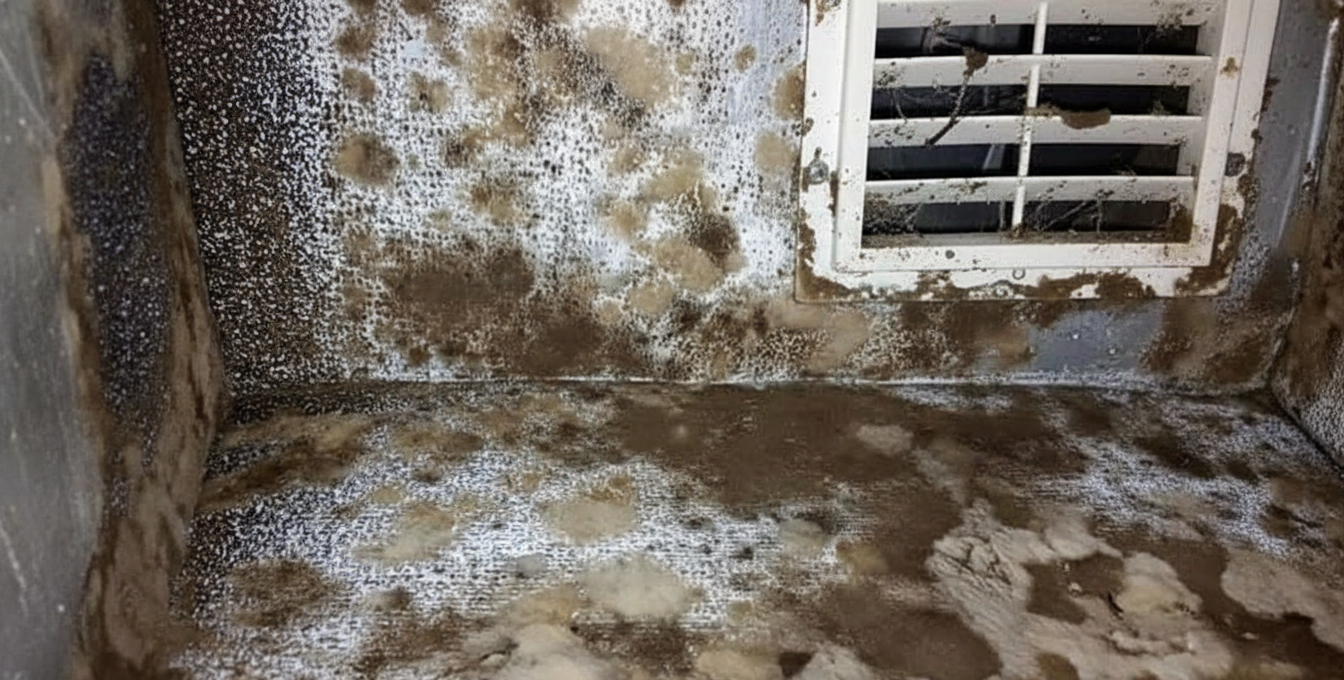
HVAC Systems and Mold Spread
Air conditioning systems play a major role in both preventing and spreading mold. When systems function properly, they help control indoor humidity. However, neglected systems can create moisture buildup.
Common HVAC-related mold issues include:
• Condensation accumulation inside ducts
• Dirty coils retaining moisture
• Clogged drain pans
• Insufficient airflow in certain rooms
Once mold grows in duct systems, spores can circulate throughout the home each time the system operates.
Duct cleaning and AC maintenance often become part of mold remediation plans.
Preventing Mold in Surfside Properties
Although coastal humidity cannot be avoided, homeowners can reduce mold risks with consistent maintenance practices.
Effective prevention steps include:
• Scheduling regular AC inspections
• Fixing leaks immediately
• Maintaining proper attic and bathroom ventilation
• Using dehumidifiers in problem areas
• Cleaning gutters and drainage paths
• Scheduling periodic moisture inspections
Preventive action is far less costly than structural repairs or remediation projects later.
Why Local Experience Matters
Mold problems vary by region, and Surfside properties face unique coastal conditions that influence moisture behavior.
Professionals familiar with North Miami and surrounding communities understand how humidity, storms, and building designs affect mold growth patterns.
Local companies such as Tip Top Water and Fire Damage Restoration regularly handle moisture and mold challenges specific to Surfside and neighboring coastal neighborhoods, allowing inspections and solutions to be tailored to local conditions rather than relying on generic methods.
A Calm and Practical Next Step
If you notice signs of moisture problems or suspect hidden mold growth, scheduling professional testing can provide clarity and peace of mind before damage escalates.
Mold testing is not just for emergency situations. In coastal communities like Surfside, it is part of smart home maintenance that protects property value and indoor comfort.
Early attention and professional evaluation help homeowners stay ahead of moisture problems, keeping homes safer and restoration costs manageable over time.