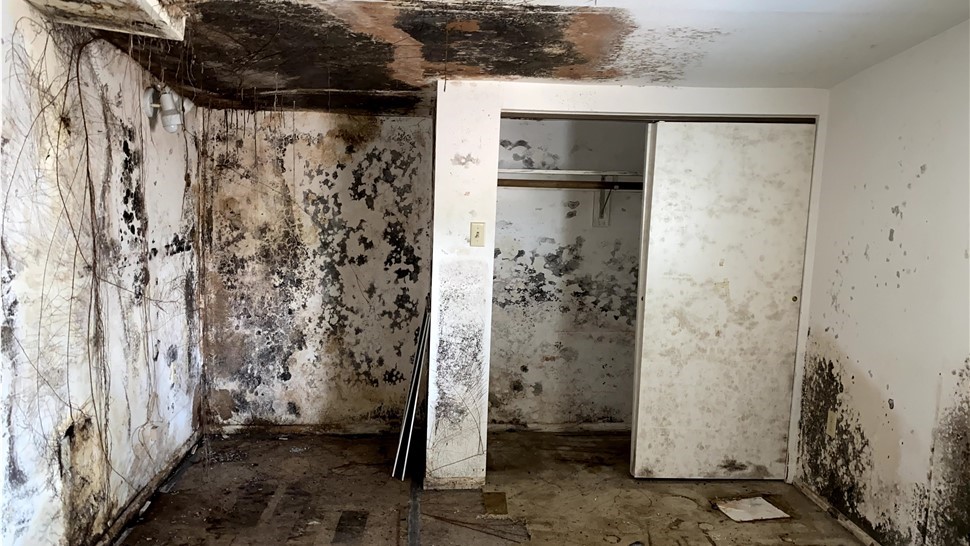
Preventing Future Problems: Mold Inspection in North Miami Beach
Mold is not unusual in South Florida. In fact, in coastal communities like North Miami Beach, it’s one of the most common property concerns homeowners and landlords face.
Between high humidity, seasonal storms, and nearly year-round air conditioning use, moisture is a constant factor. But mold growth doesn’t begin with visible black spots on a wall. It begins with hidden moisture.
That’s why mold inspection is not just about identifying a current problem. It’s about preventing future ones.
Across North Miami Beach, Sunny Isles Beach, Aventura, Miami Shores, and nearby coastal neighborhoods, proactive inspection plays a key role in protecting property value, indoor air quality, and structural integrity.
What a Mold Inspection Really Is
Many people assume a mold inspection simply involves looking for discoloration on walls or ceilings.
In reality, a professional mold inspection is a structured evaluation of moisture and environmental conditions inside a property.
It typically includes:
- Visual assessment of interior spaces
- Moisture detection using meters
- Thermal imaging to locate hidden dampness
- HVAC system inspection
- Attic and crawl space evaluation
- Identification of ventilation issues
- Air or surface sampling when necessary
The goal is not just to find mold, but to identify why it would grow.
In North Miami Beach properties, moisture is often the root cause — not the mold itself.
Why Mold Inspections Are Especially Important in North Miami Beach
North Miami Beach has a climate that encourages moisture retention.
High Humidity
Even on sunny days, humidity levels can remain elevated. This slows natural drying and increases the likelihood of condensation.
Coastal Air Exposure
Salt in coastal air can degrade seals, window frames, and exterior materials, allowing moisture intrusion over time.
Heavy Seasonal Rain
Storms can push water into small openings in roofing systems, window frames, and exterior walls.
AC Dependency
Air conditioning systems run most of the year. Clogged condensate lines or duct condensation are frequent causes of indoor moisture problems.
Homes in neighboring areas like Bal Harbour and Sunny Isles Beach experience similar environmental stress.
Because these conditions are ongoing, mold inspection becomes a preventive maintenance tool — not just a reactive service.
Common Signs That Prompt an Inspection
Property owners in North Miami Beach often request inspections after noticing:
- Musty odors
- Stains on ceilings
- Bubbling paint
- Warped baseboards
- Persistent humidity
- Discoloration around air vents
- Allergy-like symptoms indoors
However, mold can exist without strong visual evidence.
A small roof leak or slow plumbing drip behind a wall may go unnoticed for months.
An inspection identifies early warning signs before widespread growth develops.
Hidden Areas Where Mold Often Develops
In coastal Florida properties, mold frequently forms in concealed areas.
Common hidden sources include:
- Behind kitchen cabinets
- Inside drywall cavities
- Beneath bathroom tile
- Around window frames
- Inside air ducts
- Under flooring
- In attic insulation
In slab-foundation homes common to North Miami Beach and Miami Shores, moisture can accumulate beneath tile or laminate flooring.
In high-rise condos in Aventura, water may travel from upper floors and settle inside ceiling cavities.
These hidden areas require specialized tools to assess properly.
Why DIY Mold Detection Often Misses the Real Issue
Home test kits and visual inspections are limited.
They cannot:
- Accurately measure moisture levels
- Detect hidden dampness behind walls
- Identify airflow issues
- Assess structural drying
- Determine full contamination spread
Spraying bleach on visible mold does not solve the root problem. In many cases, bleach does not penetrate porous materials like drywall or wood.
Without correcting the moisture source, mold returns.
Professional inspections focus on identifying contributing conditions — not just surface growth.
The Mold Inspection Process Explained
A structured inspection typically follows several steps.
1. Initial Assessment
The inspector gathers information about:
- Recent water events
- Past repairs
- HVAC maintenance
- Building age
- Visible symptoms
2. Moisture Mapping
Using specialized meters and infrared imaging, damp areas are located — even if they appear dry.
3. Ventilation Review
Poor airflow contributes to condensation and humidity buildup. Bathrooms, kitchens, and attics are carefully evaluated.
4. HVAC and Duct Inspection
Air conditioning systems can harbor moisture inside ductwork or drain pans. Air duct cleaning may be recommended if contamination is identified.
5. Sampling (If Needed)
Air or surface samples may be collected when contamination needs confirmation or documentation.
The inspection ends with a clear explanation of findings and recommended next steps.
When Mold Inspection Prevents Major Repairs
In North Miami Beach, we often see inspections requested early enough to prevent extensive remediation.
For example:
- A small AC leak identified early may only require localized drying and repair.
- A minor roof intrusion discovered in the attic can be sealed before insulation becomes saturated.
- Early detection of window seal failure prevents structural framing deterioration.
In contrast, delayed inspections may lead to:
- Large drywall removal
- Cabinet replacement
- Flooring damage
- Extensive mold remediation
Preventive inspection protects both property and budget.
Mold Inspection During Real Estate Transactions
North Miami Beach has an active real estate market.
During property sales, mold inspections provide clarity for buyers and sellers.
Buyers gain confidence knowing hidden moisture issues have been evaluated.
Sellers can address minor concerns proactively rather than negotiating larger repairs later.
In nearby communities like Surfside and Biscayne Park, early inspections often prevent closing delays.
Mold concerns should be evaluated calmly and professionally, without alarmist assumptions.
The Role of Flooding and Storm Events
After heavy rain or localized flooding, mold inspection becomes especially important.
Stormwater intrusion in North Miami Beach can affect:
- Garage areas
- Lower-level rooms
- Window frames
- Roof decking
Even if standing water is removed quickly, moisture may remain trapped in wall cavities or insulation.
Post-flood inspections verify that drying was successful and no hidden dampness remains.
AC Systems, Air Ducts, and Mold Risk
Air conditioning systems are central to moisture control in South Florida.
But they can also contribute to mold conditions if not maintained.
Common issues include:
- Blocked condensate lines
- Rusted drain pans
- Duct insulation gaps
- Improper airflow
In coastal environments like North Miami Beach and Bal Harbour, HVAC systems work harder due to heat and humidity.
Mold inspection often includes evaluating AC performance and duct conditions.
Addressing these systems prevents recurring moisture buildup.
Preventing Mold Growth Long Term
Inspection is only the first step.
Homeowners and property managers can reduce risk by:
- Keeping indoor humidity between 40–60%
- Scheduling regular AC maintenance
- Cleaning condensate lines
- Ensuring proper attic ventilation
- Sealing window frames
- Repairing plumbing leaks promptly
- Monitoring areas previously affected by water damage
Proactive maintenance reduces the likelihood of large-scale mold remediation later.
Why Local Experience Matters
Mold inspection in North Miami Beach requires understanding the local climate and construction styles.
The combination of:
- Coastal humidity
- Salt air exposure
- Concrete slab foundations
- High-rise condominiums
- Older mid-century homes
creates unique moisture patterns.
Working across North Miami Beach, Sunny Isles Beach, Miami Shores, and Aventura provides insight into how mold typically develops in this environment.
Tip Top Water and Fire Damage Restoration conducts inspections with a focus on identifying the source of moisture — not simply treating visible growth.
Local experience allows for more accurate assessments and practical prevention strategies tailored to South Florida conditions.
Moving Forward with Confidence
Mold concerns can feel overwhelming, but they don’t have to be.
In North Miami Beach, mold inspection is not about panic — it’s about prevention.
By identifying hidden moisture early, improving ventilation, and maintaining HVAC systems properly, property owners can avoid larger structural issues down the road.
Preventing future problems begins with understanding how moisture behaves in this coastal climate.
A thorough inspection provides clarity, direction, and peace of mind — helping homeowners and landlords protect their properties long term.