
Preventing Future Problems: Water Damage Repair in North Miami
Water damage is one of the most common and costly property issues faced by homeowners and property managers in North Miami. Between heavy seasonal rains, tropical storms, aging plumbing systems, and constant humidity, homes and condos throughout the area regularly experience water intrusion problems that can quickly turn into expensive repairs.
Many residents assume water damage only becomes serious when flooding is visible. In reality, small leaks and unnoticed moisture issues often cause long-term structural and air quality problems if they are not properly repaired. Understanding how water damage repair works — and how to prevent repeat problems — helps property owners protect both their homes and investments.
What Water Damage Repair Really Means
Water damage repair goes far beyond drying out wet surfaces. Proper repair focuses on restoring the property while preventing future issues from developing.
Typical restoration involves:
• Removing standing water
• Drying structural materials thoroughly
• Repairing damaged drywall, flooring, or insulation
• Eliminating moisture trapped in hidden areas
• Preventing mold growth
• Restoring safe indoor air quality
If water damage is only cleaned superficially, hidden moisture often remains behind walls or under flooring, leading to future deterioration.
Why Water Damage Happens So Often in North Miami
North Miami properties face unique environmental conditions that make moisture problems common.
Several local factors contribute to frequent water damage:
• Sudden heavy rainstorms and tropical weather systems
• Flooding in low-lying neighborhoods
• AC condensation leaks
• Roof damage after storms
• Plumbing failures in older homes
• Poor ventilation in coastal properties
• Humidity-related moisture buildup
High humidity allows moisture to linger longer inside homes, meaning even minor leaks can create long-term problems if not handled quickly.
Common Signs Homeowners Notice
Water damage is sometimes obvious, but often appears gradually. Property owners commonly notice:
• Water stains on ceilings or walls
• Bubbling or peeling paint
• Warped flooring or soft spots
• Musty or damp odors
• Increased indoor humidity
• Mold spots forming on surfaces
• Unexpected increases in water bills
These early warning signs indicate moisture problems that require attention before major repairs become necessary.
Hidden or Overlooked Sources of Water Damage
Not all water damage starts with visible flooding. Many problems originate from hidden sources, including:
• Slow pipe leaks inside walls
• Roof leaks after storms
• AC drain line clogs
• Appliance hose failures
• Window seal leaks
• Moisture trapped in crawl spaces or attics
These hidden sources often go unnoticed until mold growth or structural damage becomes severe.
Why DIY Water Damage Cleanup Often Fails
Homeowners sometimes attempt to dry affected areas using fans or basic cleanup methods. Unfortunately, this often leaves moisture behind.
DIY cleanup typically fails because:
• Household equipment cannot dry deep structural materials
• Moisture remains under flooring or inside walls
• Hidden damp areas encourage mold growth
• Odors persist due to trapped moisture
• Structural damage continues unnoticed
Professional repair focuses on fully drying and restoring affected areas rather than only addressing visible damage.
Professional Inspection and Moisture Detection Explained
Proper water damage repair begins with a thorough inspection. Restoration professionals use specialized equipment to locate hidden moisture and assess damage accurately.
Inspection often includes:
• Moisture meter readings
• Thermal imaging scans
• Inspection of flooring and wall cavities
• Evaluation of attic and crawl space moisture
• Checking HVAC systems for contamination
By identifying all moisture sources, repair teams ensure the property is properly restored and future problems are avoided.
Proper Water Damage Repair and Restoration Process
A structured restoration process ensures safe and lasting results.
Typical repair steps include:
- Stopping the water source
- Removing standing water
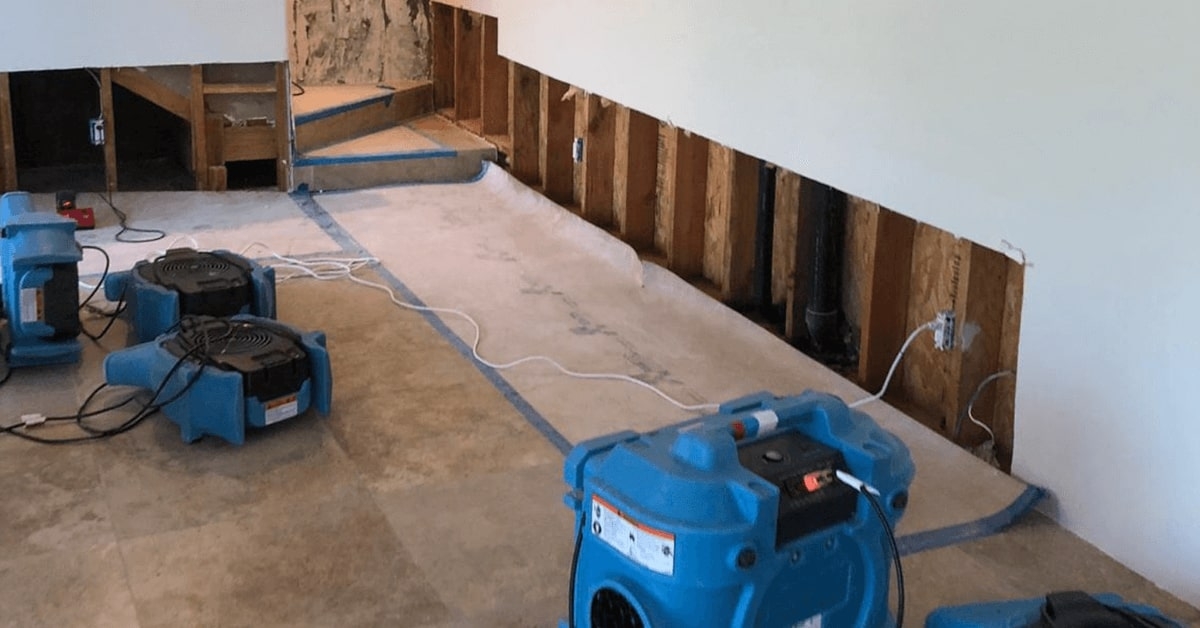
- Deploying industrial drying equipment
- Monitoring moisture levels daily
- Removing irreparably damaged materials
- Repairing walls, ceilings, and flooring
- Cleaning and sanitizing affected areas
- Final inspection to confirm dryness
Companies serving North Miami and surrounding communities, including Tip Top Water and Fire Damage Restoration, understand how humidity and coastal conditions influence drying times and repair strategies.
Flood Restoration and Structural Repairs
Flooding presents additional repair challenges beyond normal leaks. Floodwater often carries contaminants that require careful cleanup.
Flood restoration may involve:
• Removing contaminated materials
• Deep cleaning and sanitizing surfaces
• Replacing soaked insulation or drywall
• Repairing structural components
• Eliminating lingering moisture and odors
Quick action significantly reduces repair costs and prevents long-term structural damage.
Air Ducts, AC Systems, and Moisture Problems
In North Miami homes, air conditioning systems play a major role in moisture control. However, AC-related issues can also contribute to water damage.
Common problems include:
• AC condensation leaks
• Blocked drain lines
• Dirty air ducts trapping moisture
• Improper humidity control
When ducts or AC systems become damp, moisture spreads throughout the home, sometimes leading to mold growth. Cleaning and repairing these systems is often necessary after water damage events.
How to Prevent Future Water Damage in North Miami Homes
While some water damage events are unavoidable, preventive maintenance reduces risk significantly.
Property owners can help prevent future problems by:
• Inspecting roofs annually
• Checking plumbing for leaks
• Cleaning AC drain lines regularly
• Maintaining proper indoor humidity levels
• Ensuring proper ventilation in bathrooms and kitchens
• Inspecting windows and doors for leaks
• Cleaning gutters and drainage systems
Routine inspections catch small issues before they escalate into costly repairs.
Why Local Experience Matters in Water Damage Repair
Restoration work in coastal South Florida requires understanding local building conditions and climate challenges.
Professionals experienced in North Miami properties understand:
• Effects of humidity on drying times
• Construction styles common in the region
• Flood-prone areas and drainage concerns
• Condo and high-rise restoration requirements
• Insurance claim expectations locally
Local restoration teams are better equipped to handle moisture-related repairs unique to coastal communities.
Taking Smart Steps to Protect Your Property
Water damage does not have to lead to long-term property problems. Acting quickly, identifying the true moisture source, and completing proper repairs help ensure homes remain safe and comfortable.
Property owners across North Miami, Aventura, Sunny Isles Beach, Miami Shores, Surfside, Biscayne Park, and surrounding neighborhoods benefit from proactive maintenance and professional restoration when problems occur.
By addressing water damage thoroughly and preventing repeat issues, homeowners protect both their living spaces and the long-term value of their properties.