Property Maintenance Insights: Black Mold Removal in Sunny Isles Beach
Sunny Isles Beach, located in North Miami-Dade County, is known for its oceanfront high-rises, luxury homes, and vibrant coastal lifestyle. While the area’s tropical climate and proximity to the Atlantic Ocean make it desirable for residents, they also create unique challenges when it comes to property maintenance. One of the most serious and persistent issues is black mold growth, which thrives in high-humidity environments and poorly ventilated spaces. Black mold can affect walls, ceilings, HVAC systems, ductwork, attics, crawl spaces, and flooring, making proper identification and removal essential for long-term property preservation.
Effective black mold removal requires more than a simple cleaning. Homeowners, landlords, and property managers must understand the causes, risks, detection methods, and professional remediation techniques specific to Sunny Isles Beach. By taking proactive steps, property owners can protect their investments, maintain indoor air quality, and ensure safe, livable homes for occupants.
Understanding Black Mold
Black mold, commonly referred to as Stachybotrys chartarum, is a type of fungus that thrives in moist environments. While not all mold in homes is black or toxic, black mold is particularly resilient and can cause serious property damage if left untreated.
Characteristics of Black Mold:
- Dark green to black coloration
- Slimy or wet appearance in its early stages
- Typically grows on cellulose-based materials like drywall, wood, and paper products
- Often accompanied by a musty odor
Black mold is more than an aesthetic concern. Its presence indicates ongoing moisture problems that, if unaddressed, can compromise structural integrity and indoor air quality.
Why Black Mold is Common in Sunny Isles Beach
Sunny Isles Beach presents an environment that is highly conducive to mold growth due to several factors:
1. High Humidity
- The tropical climate ensures elevated moisture levels throughout the year.
- Even air-conditioned homes can experience condensation on walls, ceilings, and HVAC components, providing a breeding ground for mold.
2. Coastal Air and Salt Exposure
- Salt-laden air from the Atlantic Ocean accelerates the deterioration of building materials and metal components, creating microenvironments where mold can thrive.
- Salt exposure can also damage HVAC units and ducts, which can retain moisture and facilitate mold growth.
3. Storms and Flooding
- Heavy rains, hurricanes, and storm surges can introduce significant amounts of water into homes.
- Flooding and leaks increase moisture in walls, flooring, and attics, creating ideal conditions for mold colonization.
4. Aging Infrastructure
- Older homes often have less effective waterproofing, ventilation, and drainage systems.
- Leaky pipes, poorly sealed windows, and outdated roofing contribute to water accumulation and mold proliferation.
Common Areas for Black Mold Growth
Black mold can appear in many hidden and visible locations within a property:
- Attics: Roof leaks or poor ventilation can result in moisture accumulation in insulation and wood beams.
- Crawl Spaces: High humidity combined with poor airflow creates ideal conditions for mold on joists and subfloors.
- HVAC Systems and Ducts: Condensation inside air ducts or drip pans can foster microbial growth that spreads throughout the home.
- Bathrooms and Kitchens: Steam from showers or cooking, combined with poor ventilation, can allow mold to thrive on walls, tiles, and cabinets.
- Basements and Flooring: Flooding or leaks from plumbing can saturate flooring and subfloors, encouraging mold growth in hidden areas.
Recognizing these areas and monitoring them regularly is critical for early detection and prevention.
Signs Homeowners Should Watch For
Detecting black mold early reduces the risk of extensive damage. Homeowners should look for:
- Musty or earthy odors in living spaces
- Visible black or dark green patches on walls, ceilings, or baseboards
- Discoloration or water stains on walls or ceilings
- Peeling paint or wallpaper due to moisture accumulation
- Health symptoms such as allergic reactions, persistent coughing, or respiratory irritation (though mold remediation should focus on property safety, not medical advice)
Even if mold is not visible, persistent moisture or water intrusion is a strong indicator of potential black mold presence.
Why DIY Black Mold Removal Often Fails
While minor surface mold may seem manageable, attempting DIY removal often leads to:
- Incomplete Removal: Mold spores can remain hidden in wall cavities, ducts, or insulation.
- Spore Spread: Disturbing mold without containment can release spores into the air, contaminating other areas.
- Improper Handling: Some chemicals or bleach may only remove surface growth and fail to address the underlying moisture problem.
- Property Damage: Aggressive scraping or cleaning can damage walls, flooring, or cabinetry without addressing the root cause.
Professional mold remediation is the safest and most effective approach for long-term protection.
Professional Black Mold Inspection and Testing
Professional inspection in Sunny Isles Beach involves several key steps:
1. Visual Assessment
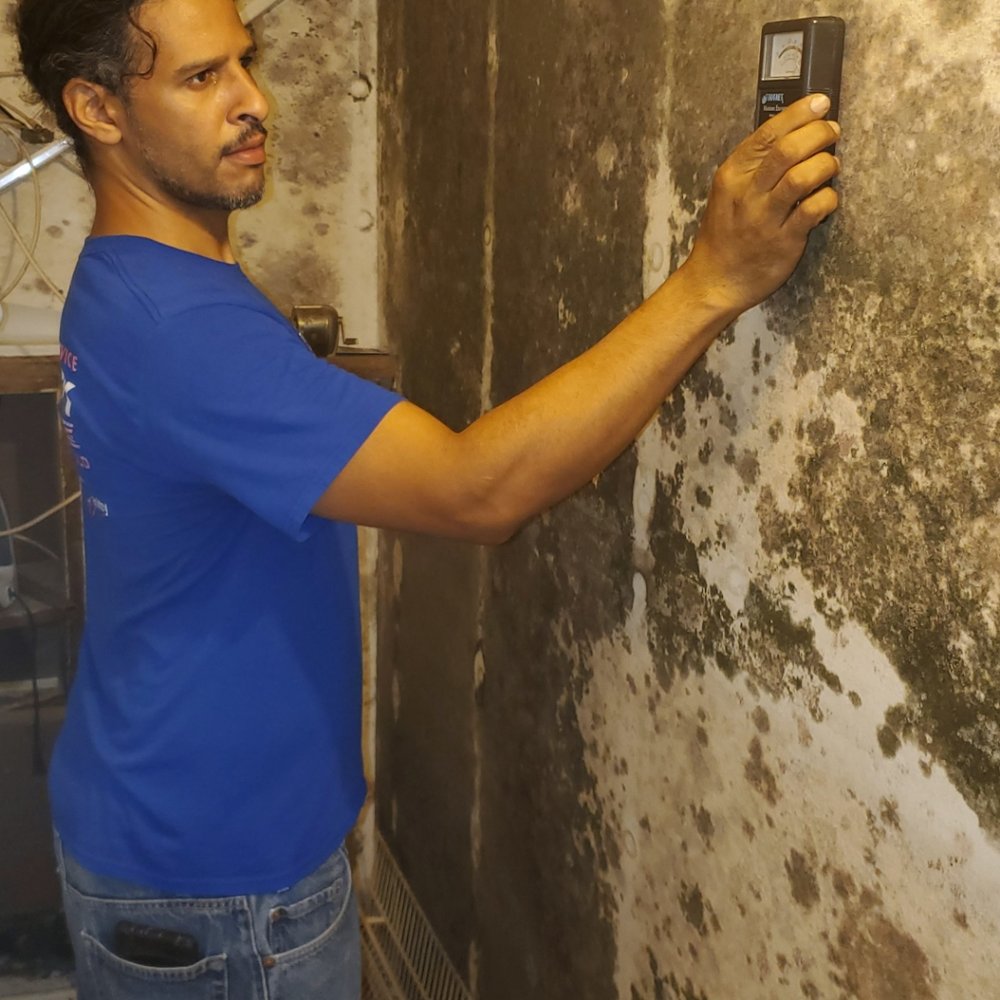
- Technicians inspect walls, ceilings, attics, crawl spaces, HVAC systems, and plumbing for signs of mold or water damage.
2. Moisture Detection
- Moisture meters, infrared cameras, and hygrometers identify hidden damp areas.
- Detecting moisture sources is critical to preventing mold recurrence.
3. Air and Surface Sampling
- Air tests measure spore concentrations to determine the severity of contamination.
- Surface samples confirm the presence of black mold on specific materials.
4. Documentation and Planning
- Results guide the remediation plan, prioritizing containment, removal, and repair.
Proper Black Mold Removal and Remediation Process
Professional black mold remediation follows strict protocols:
- Containment:
- Affected areas are isolated using plastic barriers and negative air pressure to prevent spore spread.
- Personal Protective Equipment (PPE):
- Technicians wear masks, gloves, and protective suits to safely handle mold.
- Removal of Contaminated Materials:
- Porous materials like drywall, insulation, and carpeting are removed when heavily contaminated.
- Non-porous surfaces are cleaned and sanitized using specialized antimicrobial solutions.
- Drying and Dehumidification:
- Industrial-grade dehumidifiers and air movers ensure complete drying of structural materials.
- Cleaning HVAC Systems:
- Air ducts, vents, and AC units are sanitized to remove mold spores and prevent recontamination.
- Repairs and Restoration:
- Walls, flooring, and ceilings are repaired or replaced, restoring the property while eliminating moisture sources.
Preventive Measures for Long-Term Protection
Preventing black mold recurrence requires addressing moisture sources and maintaining a dry, well-ventilated home:
- Humidity Control: Maintain indoor humidity below 55% using dehumidifiers and AC systems.
- Regular HVAC Maintenance: Clean and inspect ductwork and drip pans to prevent condensation buildup.
- Roof and Plumbing Inspections: Check for leaks, water stains, and damaged seals regularly.
- Proper Ventilation: Use exhaust fans in bathrooms, kitchens, and laundry areas to reduce moisture.
- Seal Cracks and Gaps: Weatherproof windows, doors, and foundations to prevent water intrusion.
- Monitor Attics and Crawl Spaces: Ensure proper airflow and inspect for signs of water accumulation.
Proactive measures protect both the property and its occupants while reducing long-term maintenance costs.
Benefits of Professional Black Mold Management
Investing in professional black mold inspection, removal, and prevention offers numerous advantages:
- Structural Integrity: Early detection and remediation protect walls, floors, and roofs from water damage.
- Improved Indoor Air Quality: Removing mold spores reduces allergens and improves comfort.
- Cost Savings: Preventive maintenance and timely remediation reduce the need for expensive repairs.
- Peace of Mind: Homeowners can enjoy their properties without fear of hidden mold issues.
- Long-Term Protection: Proper remediation addresses both the mold and the underlying moisture problem, preventing recurrence.
In coastal areas like Sunny Isles Beach, these benefits are particularly valuable due to the higher risk of moisture intrusion and environmental exposure.
Why Local Expertise Matters
Mold remediation in Sunny Isles Beach requires local knowledge:
- Awareness of seasonal storms, humidity trends, and coastal air exposure
- Understanding the materials and construction techniques common to local homes
- Expertise in safely handling black mold while minimizing damage and preventing spore spread
- Familiarity with preventive strategies suited to high-humidity, waterfront properties
Tip Top Water and Fire Damage Restoration combines hands-on experience with local insight to provide comprehensive black mold removal and long-term property maintenance solutions.
Conclusion
Black mold is a persistent and potentially damaging issue in Sunny Isles Beach homes due to high humidity, coastal air, storm exposure, and aging infrastructure. Effective management requires early detection, professional inspection, thorough remediation, and preventive strategies to address moisture sources.
By implementing proactive measures—humidity control, duct maintenance, ventilation improvements, regular inspections, and water intrusion prevention—homeowners can protect their properties, maintain indoor air quality, and avoid costly repairs.
In Sunny Isles Beach, professional black mold management is not just a safety measure; it is an essential component of long-term property maintenance, ensuring homes remain healthy, comfortable, and structurally sound for years to come.