Property Maintenance Insights: Mold Testing in Miami Shores
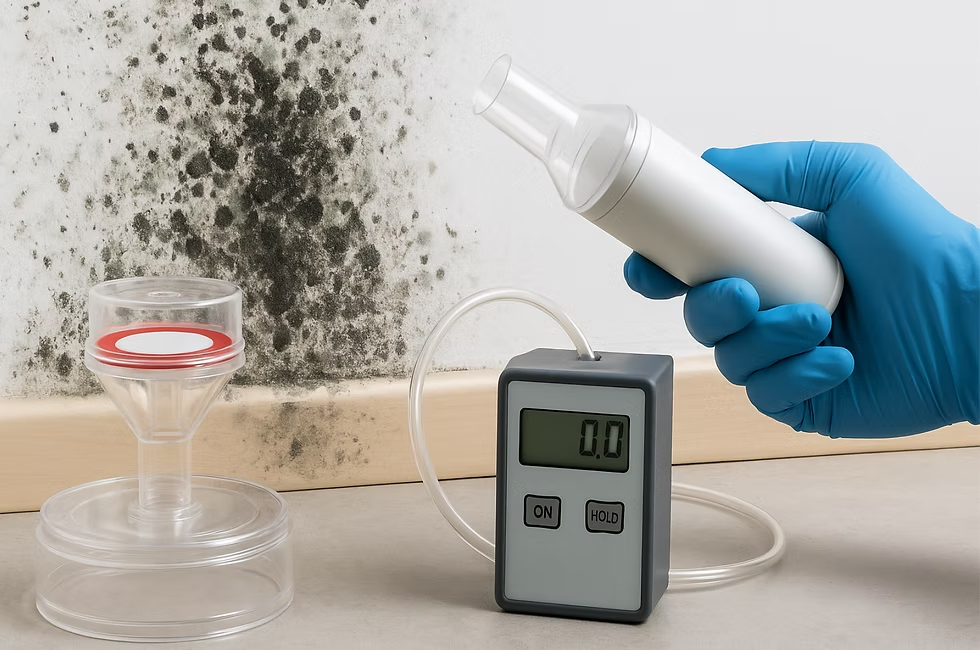
Mold is a common concern for homeowners and property managers in Miami Shores, particularly given the area’s high humidity, frequent storms, and proximity to coastal waterways. Mold testing is an essential component of property maintenance, as it allows for early detection of fungal growth, identification of moisture sources, and prevention of long-term structural and health-related issues.
While mold can appear in visible forms, much of it thrives in hidden areas such as attics, crawlspaces, behind walls, and within HVAC systems. Regular testing is the most reliable way to ensure a home remains safe, healthy, and structurally sound.
Why Mold Testing Is Essential in Miami Shores
1. High Humidity Levels
Miami Shores experiences consistently high humidity, often exceeding 70%. This environment is ideal for mold spores to settle and grow. Surfaces such as drywall, wood, carpets, and insulation can quickly become breeding grounds if moisture is present.
2. Water Intrusion Risks
Heavy seasonal rains, tropical storms, and hurricanes frequently lead to water intrusion in coastal homes. Even minor leaks from roofs, windows, or plumbing systems can create hidden moisture pockets that support mold growth.
3. Aging and Coastal Construction
Older homes or properties built close to the coast often have design or material vulnerabilities that trap moisture. This includes slab foundations, poorly ventilated attics, and older ductwork—all common in Miami Shores.
4. Health Implications
Mold exposure can lead to respiratory irritation, allergies, and asthma exacerbation. In homes where children, elderly individuals, or residents with pre-existing respiratory conditions live, testing is crucial for health and safety.
5. Property Value Protection
Undetected mold can weaken structural materials and reduce the value of a home. Professional mold testing provides documentation and preventive measures that preserve property value and prevent costly future repairs.
Common Signs That Mold May Be Present
Homeowners may notice visible or hidden indicators of mold:
- Musty Odors: Lingering damp or earthy smells often indicate hidden growth.
- Discoloration or Stains: Yellow, green, or black spots on walls, ceilings, or floors.
- Water Damage Indicators: Peeling paint, warped flooring, or soft spots.
- Condensation or Damp Areas: Windows, ducts, and poorly ventilated rooms may collect moisture.
While these signs are useful, professional testing is needed to assess areas that are not visible.
Challenges of DIY Mold Testing
While homeowners can attempt at-home testing, there are limitations:
- Hidden Growth: Mold often develops behind walls, in HVAC systems, or under flooring.
- Incomplete Sampling: DIY kits may not capture representative samples or identify specific mold species.
- Inaccurate Results: Without professional analysis, test results can be misleading or inconclusive.
Professional mold testing ensures comprehensive, accurate detection and proper identification of mold species.
Professional Mold Testing Process
1. Visual Inspection
Certified mold inspectors first conduct a thorough walkthrough, examining:
- Bathrooms, kitchens, and laundry areas
- Attics, crawlspaces, and basements
- HVAC systems and ductwork
- Areas behind furniture or cabinetry
This assessment identifies potential problem zones and informs sampling strategies.
2. Moisture Detection
Moisture is the primary driver of mold growth. Professionals use tools like:
- Moisture Meters: Measure moisture content in walls, floors, and ceilings.
- Thermal Imaging Cameras: Detect water accumulation behind walls and under floors.
- Hygrometers: Monitor indoor humidity levels to identify high-risk areas.
3. Air and Surface Sampling
Testing includes collecting:
- Air Samples: Capture airborne spores to assess indoor air quality.
- Surface Samples: Swabs or tape lifts are used to identify mold on walls, floors, and HVAC components.
Laboratory analysis determines mold species and concentrations, informing remediation plans.
4. Reporting and Recommendations
After analysis, inspectors provide a comprehensive report detailing:
- Areas affected by mold or elevated moisture
- Specific mold species detected
- Recommended remediation strategies
- Preventive measures to reduce future growth
This documentation is critical for insurance, property sales, and long-term maintenance.
Why Timely Testing Matters
Early mold detection allows for:
- Prevention of Structural Damage: Mold weakens wood, drywall, and other materials.
- Health Protection: Reduces exposure to allergens and respiratory irritants.
- Cost Savings: Addressing mold early is more affordable than extensive remediation later.
- Compliance with Insurance Requirements: Many policies require documentation of mold inspections and remediation.
In Miami Shores, timely testing is particularly important due to the combination of coastal moisture and storm exposure.
Preventive Measures Post-Testing
Once testing identifies risk areas, property owners should implement:
- Humidity Control: Maintain indoor humidity below 55% using air conditioning and dehumidifiers.
- Prompt Repairs: Address plumbing, roof, or window leaks immediately.
- Ventilation: Ensure attics, crawlspaces, bathrooms, and kitchens have proper airflow.
- Regular Maintenance: Inspect gutters, downspouts, and HVAC systems to prevent moisture buildup.
- Routine Professional Testing: Annual mold tests in high-risk areas detect problems early.
Unique Challenges in Miami Shores Homes
Property owners in coastal neighborhoods face challenges including:
- Persistent High Humidity: Even when homes are dry, ambient moisture promotes fungal growth.
- Salt Air Exposure: Accelerates corrosion in metal ducts, HVAC components, and fasteners.
- Older Homes: Construction materials may retain moisture, requiring more thorough inspection.
- Storm-Prone Location: Hurricanes and heavy rainfall increase risk of hidden water and mold growth.
Professional expertise ensures inspections are thorough and tailored to local conditions.
The Role of Local Experts
Mold testing is a technical process requiring knowledge of:
- Local climate and coastal weather patterns
- Building materials and construction types common in Miami Shores
- Effective sampling methods and moisture detection techniques
- Guidance on remediation and preventive maintenance
Tip Top Water and Fire Damage Restoration provides expert mold testing services in Miami Shores, ensuring accurate detection and effective prevention strategies.
Financial and Health Implications of Ignoring Mold
Failure to perform regular mold testing can result in:
- Structural degradation over time
- Increased exposure to allergens and respiratory hazards
- Expensive remediation if mold spreads
- Decreased property value and resale potential
Timely inspections and preventive maintenance mitigate these risks and protect long-term property investments.
Final Thoughts
Mold testing is a critical aspect of property maintenance in Miami Shores. Coastal humidity, frequent storms, and aging construction increase the risk of hidden mold growth. Professional testing ensures early detection, accurate identification of mold species, and guidance for remediation and prevention.
Property owners who understand the science of mold, respond to early warning signs, and engage qualified experts can maintain healthy, safe, and resilient homes. In Miami Shores, proactive mold management is essential for protecting both the property and the well-being of its occupants.