Property Maintenance Insights: Mold Testing in Sunny Isles Beach
Sunny Isles Beach, a vibrant coastal community in northeastern Miami-Dade County, is known for its oceanfront high-rises, waterfront residences, and luxury condos. While the area offers stunning views and tropical living, it also presents unique challenges for property maintenance, particularly when it comes to mold. High humidity, frequent storms, and proximity to the ocean make homes and buildings more susceptible to moisture intrusion, creating ideal conditions for mold growth. For homeowners, landlords, and property managers, professional mold testing is a crucial part of maintaining property value, indoor air quality, and long-term safety. Tip Top Water and Fire Damage Restoration provides expert mold inspection, testing, and remediation services for Sunny Isles Beach homes, condos, and commercial properties, as well as nearby areas including North Miami, North Miami Beach, Bal Harbour, Aventura, Miami Shores, Surfside, Biscayne Park, and other coastal neighborhoods.
Understanding Mold and Its Risks
Mold is a type of fungus that reproduces through microscopic spores. When moisture is present, mold can grow on nearly any surface, including:
- Drywall and wood framing
- Flooring and carpets
- Insulation and ceiling materials
- HVAC systems and ductwork
- Furniture, upholstery, and window coverings
Unchecked mold growth can cause:
- Damage to building materials and structural components
- Musty odors that permeate living spaces
- Compromised indoor air quality
- Increased maintenance costs and property depreciation
Professional mold testing is key to identifying both visible and hidden mold before it becomes a major problem.
Why Sunny Isles Beach Homes Are Particularly Vulnerable
Several local environmental and property-specific factors make mold testing essential:
- High Humidity – The coastal climate maintains consistently elevated moisture levels.
- Storm Water Intrusion – Seasonal storms and hurricanes can introduce water through roofs, windows, or doors.
- AC Condensation – Condensation from improperly maintained air conditioning systems can create hidden damp areas.
- Flood Risk – Properties near the beach, canals, or bayfront are more likely to experience water intrusion.
- Older or High-Rise Construction – Aging systems and complex building structures can hide moisture in walls, attics, and crawl spaces.
Understanding these vulnerabilities helps property owners take a proactive approach to mold management.
Common Signs That Mold Testing Is Needed
Homeowners and property managers should watch for early indicators of mold growth:
- Musty or earthy odors in closets, basements, or utility rooms
- Discoloration or water stains on walls, ceilings, or flooring
- Warped or soft materials indicating hidden moisture
- Visible mold growth in corners, behind furniture, or under sinks
- Allergic reactions or respiratory irritation among occupants
Even subtle signs may suggest underlying mold issues that require professional evaluation.
Hidden and Overlooked Sources of Mold
Mold often grows in areas that are not immediately visible, such as:
- Crawl Spaces and Basements – Poor ventilation and damp conditions promote mold proliferation.
- Attics – Roof leaks or inadequate airflow can allow moisture to accumulate unseen.
- Wall Cavities and Insulation – Water can infiltrate behind drywall or into insulation, providing a hidden breeding ground.
- HVAC Systems and Ducts – Moisture in ducts can circulate mold spores throughout the home.
- Under Flooring or Carpets – Even minor leaks or spills can result in mold growth beneath surfaces.
Professional mold testing identifies these hidden risks before they escalate.
Why DIY Mold Testing Often Fails
While some homeowners attempt to test for mold themselves, DIY methods frequently fall short:
- Hidden mold and moisture are difficult to detect without specialized tools.
- Surface cleaning does not eliminate spores embedded in insulation, drywall, or ducts.
- Misidentification of mold types can lead to ineffective remediation.
- Incomplete drying or treatment may result in recurring mold growth.
Professional mold testing ensures comprehensive evaluation and accurate results, providing a reliable foundation for remediation.
Professional Mold Testing Process
Tip Top Water and Fire Damage Restoration follows a systematic approach for mold testing in Sunny Isles Beach:
- Initial Visual Inspection – Identify signs of water damage, discoloration, or visible mold.
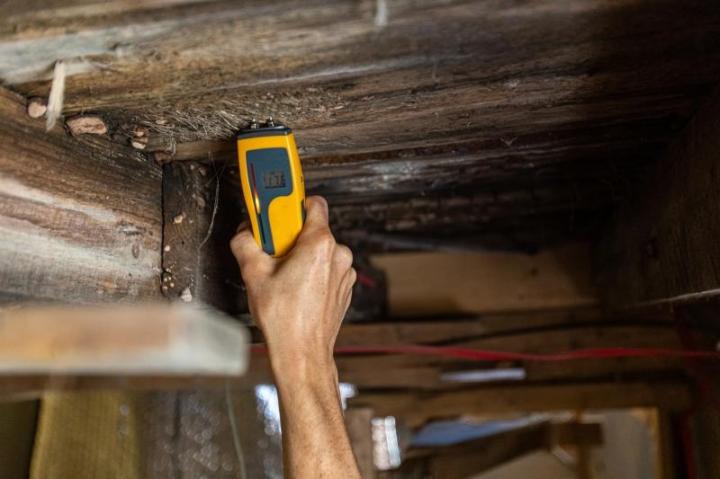
- Moisture Mapping – Use meters and thermal imaging to detect hidden dampness in walls, ceilings, and flooring.
- Air Sampling – Collect air samples to measure the concentration and type of mold spores.
- Surface Sampling – Swab or tape-test visible mold or suspected areas.
- Data Analysis – Evaluate results to determine mold species, concentration levels, and affected areas.
- Comprehensive Reporting – Provide detailed findings and actionable recommendations for remediation and preventive measures.
This method ensures accurate identification of both visible and hidden mold, helping property owners make informed maintenance decisions.
Mold Remediation and Prevention
Once testing identifies mold, professional remediation is essential. Steps typically include:
- Containment – Prevent spores from spreading to unaffected areas.
- Air Filtration – Use HEPA filters and negative air machines to remove airborne spores.
- Removal of Contaminated Materials – Replace drywall, insulation, or flooring as needed.
- Cleaning and Sanitization – Apply antimicrobial treatments to affected surfaces.
- Drying and Dehumidification – Ensure all materials are fully dried to prevent recurrence.
- Post-Remediation Verification – Confirm that mold has been eliminated and underlying moisture sources addressed.
Preventive strategies, such as maintaining HVAC systems, controlling indoor humidity, and addressing leaks promptly, further reduce the risk of future mold problems.
Real-World Observations from Sunny Isles Beach Properties
Experience in local properties reveals consistent patterns:
- Hidden mold is common in high-rise condos, particularly near AC systems and water intrusion points.
- Early detection through professional mold testing reduces remediation costs and protects indoor air quality.
- Waterfront and older properties require more frequent inspections due to higher humidity and aging infrastructure.
- Routine monitoring and preventive maintenance significantly reduce recurring mold issues.
These observations highlight the value of combining professional testing with proactive property management.
Why Local Expertise Matters
Mold testing in Sunny Isles Beach requires an understanding of local environmental and structural factors:
- Coastal humidity, salt air, and storm patterns influence mold growth and drying times.
- Older buildings and multi-story condos present unique inspection challenges.
- Early identification prevents secondary damage such as wood rot, structural deterioration, and widespread contamination.
Local professionals like Tip Top Water and Fire Damage Restoration bring the knowledge, tools, and experience necessary to address these challenges effectively.
Calm, Trust-Based Call to Action
Mold growth in Sunny Isles Beach homes and properties can compromise indoor air quality, property value, and structural integrity if left unaddressed. Professional mold testing provides accurate identification of both visible and hidden mold, allowing for timely remediation and preventive planning. Combined with routine inspections, moisture control, and preventive maintenance, mold testing ensures long-term protection for homes, condos, and commercial properties. Tip Top Water and Fire Damage Restoration delivers trusted, local expertise to help property owners safeguard Sunny Isles Beach properties, maintain healthy indoor environments, and avoid costly future repairs.