
Property Maintenance Insights: Water Damage Repair in Biscayne Park
Biscayne Park is known for its quiet streets, mature trees, and charming residential neighborhoods close to North Miami’s coastal communities. Yet, despite the area’s appeal, homeowners and property managers frequently encounter one persistent challenge: water damage.
Water damage is one of the most common property issues in Biscayne Park due to South Florida’s climate, seasonal storms, and moisture-heavy coastal air. Understanding how water damage occurs and how proper repair protects homes can help property owners avoid long-term structural and maintenance problems.
Understanding Water Damage in Residential Properties
Water damage happens when moisture enters areas of a property where it does not belong and remains long enough to affect building materials. In Biscayne Park homes, damage can occur quickly, even from small leaks.
Common causes include:
- Roof leaks during heavy rain
- Broken or leaking pipes
- Appliance failures
- AC condensation leaks
- Poor drainage around foundations
- Flooding during storms
- Overflowing sinks or tubs
When water seeps into drywall, flooring, insulation, or wood framing, materials begin absorbing moisture. If not dried properly, this moisture leads to mold growth, structural weakening, and costly repairs.
Why Water Damage Happens Frequently in Biscayne Park
Homes in Biscayne Park and nearby communities such as Miami Shores, North Miami Beach, and Surfside face environmental conditions that make water damage more likely.
Several local factors contribute:
Heavy seasonal rainfall
South Florida storms can drop large volumes of rain in a short period, overwhelming drainage systems and exposing roof vulnerabilities.
High humidity levels
Even minor leaks take longer to dry due to constant humidity, allowing moisture to linger.
Aging plumbing systems in older homes
Many Biscayne Park homes were built decades ago, and aging pipes sometimes fail without warning.
AC systems running year-round
Air conditioners generate condensation, and clogged drain lines or poor maintenance often cause hidden leaks.
Low-lying coastal geography
Nearby coastal and bayfront neighborhoods occasionally experience flooding or water intrusion during severe weather.
Because of these factors, quick response and proper water damage repair are essential.
Signs Homeowners Often Notice First
Water damage is not always immediately obvious. Many homeowners first notice subtle changes before discovering larger issues.
Typical warning signs include:
- Water stains on ceilings or walls
- Peeling paint or bubbling drywall
- Warped or buckled flooring
- Musty or damp odors
- Soft spots in walls or floors
- Mold growth in corners or near baseboards
- Unexpected increases in indoor humidity
In Biscayne Park homes, these signs often appear days or weeks after the original leak begins.
Hidden Areas Where Water Damage Develops
Some of the most serious damage occurs in areas homeowners rarely inspect.
Professionals frequently find moisture in:
- Behind drywall after pipe leaks
- Under flooring following appliance failures
- Inside cabinets near sinks
- Attics after roof leaks
- Crawl spaces exposed to ground moisture
- Around AC air handlers or drain pans
- Inside wall cavities after storm intrusion
Hidden moisture allows damage and mold growth to spread unnoticed, making professional inspection important.
Why DIY Repairs Often Lead to Bigger Problems
Many property owners attempt to fix water damage themselves, focusing only on visible areas. Unfortunately, surface drying rarely solves the problem.
Common DIY mistakes include:
- Painting over water stains
- Drying only exposed surfaces
- Leaving damp insulation inside walls
- Ignoring slow plumbing leaks
- Skipping proper moisture testing
- Failing to disinfect affected areas
Because Biscayne Park’s climate slows natural drying, moisture often remains trapped, allowing mold growth and structural damage to continue.
How Professional Water Damage Inspection Works
Professional inspections focus on locating hidden moisture before repairs begin.
Inspection methods often include:
- Moisture meter readings in walls and floors
- Thermal imaging scans to detect hidden damp areas
- Inspection of attics and crawl spaces
- AC system and plumbing checks
- Evaluating exterior drainage conditions
This process ensures that repair work addresses the entire problem rather than just visible damage.
Local professionals, including teams like Tip Top Water and Fire Damage Restoration, understand how water behaves in coastal homes and know where hidden problems often occur.
Proper Water Damage Repair and Restoration Process
Effective water damage repair involves multiple steps designed to fully dry and restore the affected property.
A professional restoration process typically includes:
- Immediate water extraction
- Removal of damaged materials when necessary
- Use of commercial drying equipment
- Dehumidification to remove trapped moisture
- Cleaning and sanitizing affected areas
- Structural drying verification
- Repairs to walls, floors, or ceilings
Each step is essential to prevent mold growth and restore the property safely.
Flood Restoration’s Role in Biscayne Park Homes
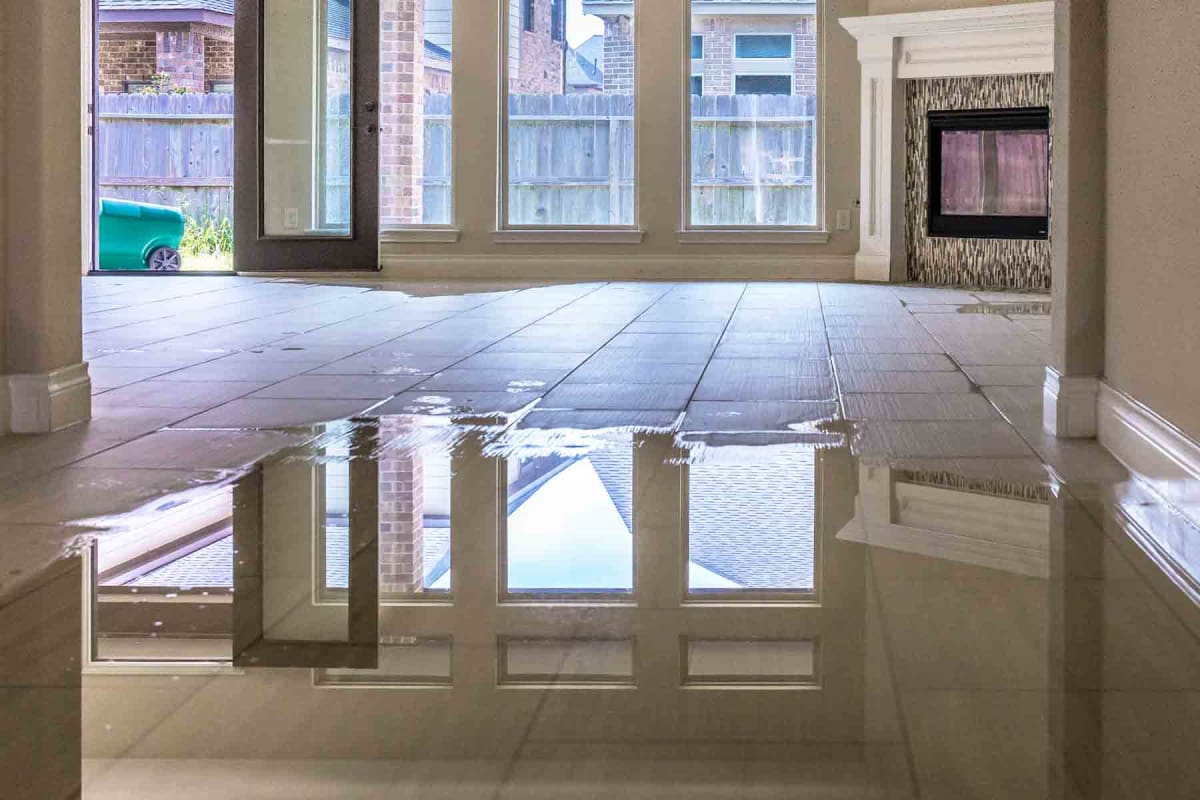
Flooding or heavy storm events sometimes introduce large amounts of water into homes. Even shallow water intrusion can create long-term problems.
Flood restoration typically includes:
- Pumping out standing water
- Removing soaked carpets or materials
- Drying structural components
- Sanitizing contaminated areas
- Repairing damaged sections of the home
Quick action significantly reduces repair costs and prevents secondary damage.
AC Systems and Water Damage Risks
Air conditioning systems are one of the most common sources of hidden water damage in South Florida homes.
Problems often arise due to:
- Blocked condensate drain lines
- Rusted or cracked drain pans
- Dirty coils producing excess condensation
- Improper AC installation
- Poor attic duct insulation
Leaks may go unnoticed until ceiling stains or mold appear, making regular AC maintenance important.
Preventing Future Water Damage
While storms and humidity cannot be controlled, homeowners can reduce risks through preventive maintenance.
Helpful steps include:
- Inspecting roofs before storm season
- Cleaning gutters and drainage paths
- Checking plumbing connections regularly
- Servicing AC systems annually
- Installing leak detection devices
- Maintaining proper yard drainage
- Monitoring indoor humidity levels
- Scheduling periodic moisture inspections
Small preventive measures often avoid costly repairs later.
Why Local Experience Matters in Restoration
Water damage repair in coastal communities like Biscayne Park differs from restoration work in drier climates.
Local professionals understand:
- Coastal humidity effects on drying times
- Construction methods common in North Miami homes
- Seasonal storm risks
- Typical plumbing and AC challenges
- Flooding patterns in nearby neighborhoods
Experienced local companies such as Tip Top Water and Fire Damage Restoration tailor repair strategies to these conditions, ensuring long-lasting results.
Acting Early Protects Your Home
Water damage rarely resolves on its own, and small leaks can quickly grow into larger repair issues. Early inspections and prompt professional repair help protect property value and maintain safe living conditions.
If homeowners notice stains, odors, or moisture signs inside their property, having a professional inspection performed can prevent expensive structural damage. With proper attention and timely restoration, Biscayne Park homes can remain comfortable and well-maintained despite the challenges of South Florida’s coastal climate.