The Science Behind Moisture and Mold Growth: Water Damage Repair Challenges in Aventura
Water damage is one of the most common maintenance issues in Aventura, and one of the most misunderstood. Many property owners focus on removing visible water, but the real challenge often begins after the surface appears dry. Moisture trapped in building materials can lead to mold growth, structural deterioration, and long-term indoor air quality problems.
Understanding the science behind moisture and mold growth helps homeowners, landlords, and property managers make better decisions when dealing with water damage and restoration.
How Moisture Behaves Inside a Home
Water does not stay in one place. Once moisture enters a structure, it spreads through materials such as drywall, insulation, wood framing, and flooring. This happens through a process called capillary action, where water travels through porous materials.
Moisture can also move through:
- Air movement
- Humidity absorption
- Temperature changes
- Condensation on cool surfaces
In humid coastal climates like Aventura, moisture tends to remain in materials longer, increasing the risk of mold growth.
Why Mold Forms After Water Damage
Mold spores are naturally present in the air and settle on surfaces all the time. Under normal conditions, they remain inactive. Mold begins to grow when three key conditions are present:
- Moisture
- Organic material such as wood or drywall
- Warm temperatures
South Florida provides all three conditions for much of the year. After water damage, mold can begin developing in hidden areas if moisture is not fully removed.
The Role of Humidity in Mold Growth
Humidity plays a major role in both mold growth and water damage repair challenges.
High humidity can:
- Slow the drying of wet materials
- Increase condensation on ducts and pipes
- Allow mold spores to remain active longer
- Cause materials to reabsorb moisture from the air
Even after standing water is removed, elevated humidity can keep walls and flooring damp for extended periods.
Why Aventura Homes Face Unique Challenges
Properties in Aventura and nearby communities such as Sunny Isles Beach, Bal Harbour, and North Miami Beach face environmental conditions that make moisture control more difficult.
Coastal humidity
Air near Biscayne Bay contains high moisture levels year-round.
Frequent storms and heavy rain
Sudden downpours can introduce water into roofs, windows, and foundations.
Continuous air conditioning use
AC systems produce condensation that can lead to hidden moisture problems.
Limited natural ventilation in many buildings
Modern condominiums are designed for energy efficiency, which can reduce airflow.
These conditions make thorough drying and moisture monitoring essential after water damage.
Hidden Moisture: The Biggest Repair Challenge
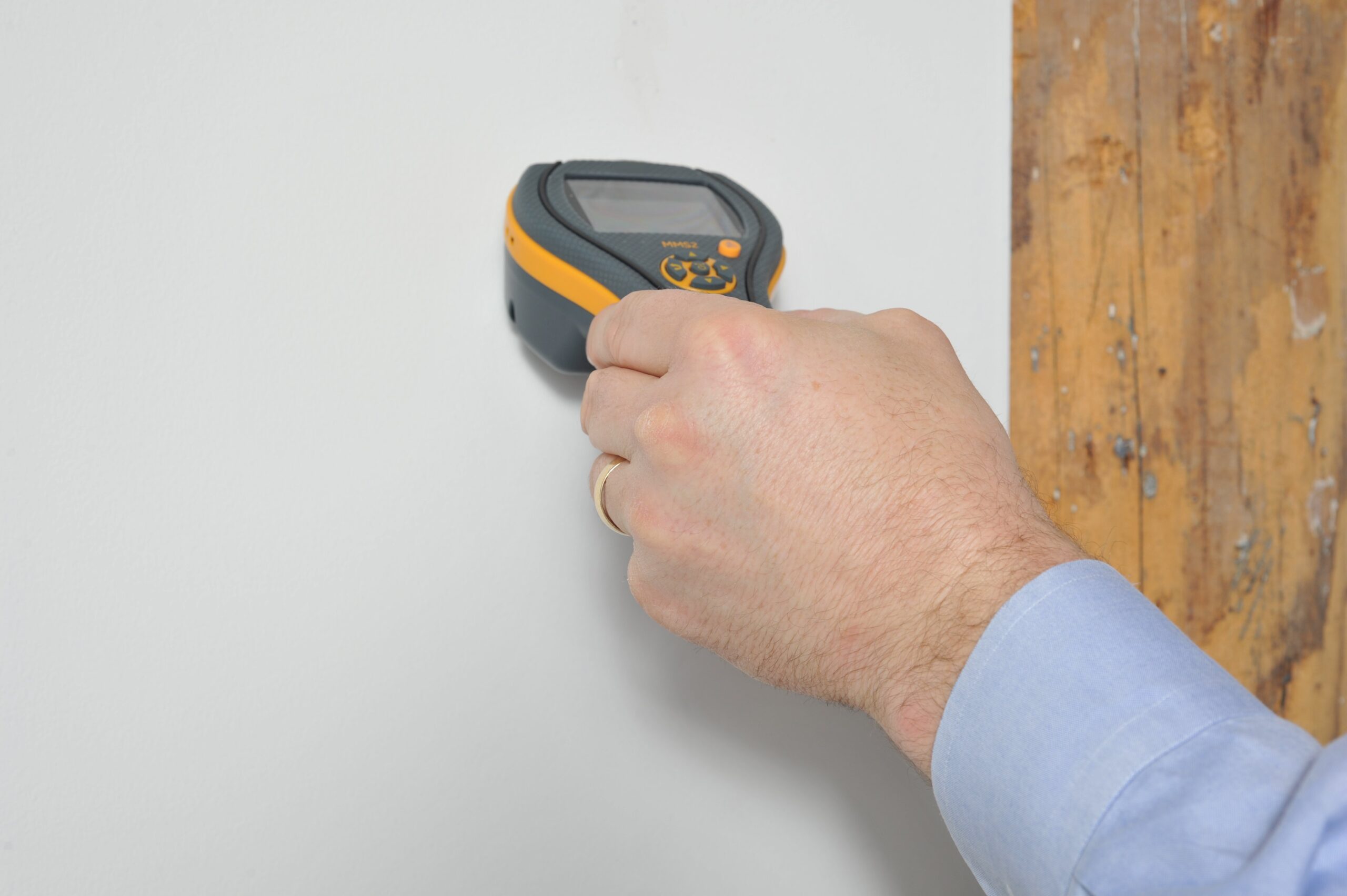
One of the most difficult aspects of water damage repair is locating moisture that cannot be seen.
Common hidden areas include:
- Inside wall cavities
- Beneath flooring or tile
- Attic insulation
- Behind cabinets and appliances
- Inside ductwork
Moisture in these areas can remain for weeks if not properly detected and dried.
This is why professional moisture detection is often necessary. Companies such as Tip Top Water and Fire Damage Restoration frequently use specialized equipment to locate hidden dampness before repairs begin.
The Science of Drying Building Materials
Drying is not just about blowing air across wet surfaces. Effective drying depends on controlling three factors:
- Air movement
- Temperature
- Humidity
Air movers increase evaporation, while dehumidifiers remove moisture from the air so materials can continue drying. If humidity remains high, drying slows dramatically.
In coastal environments, this balance becomes even more important because outdoor air often contains significant moisture.
Why DIY Drying Often Falls Short
Many property owners attempt to dry water-damaged areas using household fans or by opening windows. While these steps may help remove surface moisture, they often do not address deeper moisture.
DIY drying often fails because:
- Humidity remains too high
- Subfloors and insulation stay damp
- Moisture trapped inside walls is not detected
- Drying stops too soon
Without proper drying, mold growth can begin even when surfaces appear dry.
How Mold Affects Indoor Air Quality
Mold growth does not only damage materials—it also affects indoor air quality. As mold develops, it releases microscopic spores into the air. These spores can spread through ventilation systems and settle in other areas of the home.
Common effects on indoor air include:
- Musty or damp odors
- Increased airborne particles
- Reduced air freshness
- Dust buildup in vents
Removing mold and correcting moisture problems helps restore cleaner indoor air.
The Water Damage Repair Process
Water damage repair typically follows a structured process designed to address both moisture and contamination.
1. Inspection and moisture detection
Technicians determine how far water has spread and identify hidden damp areas.
2. Water removal and extraction
Standing water is removed using specialized equipment.
3. Structural drying and dehumidification
Air movers and dehumidifiers remove moisture from materials and the surrounding air.
4. Cleaning and sanitation
Surfaces are cleaned to remove residue and prevent odors.
5. Repairs and restoration
Damaged drywall, flooring, or insulation may be repaired or replaced.
Proper drying is the most critical step because it prevents mold growth and structural deterioration.
HVAC Systems and Moisture Control
Air conditioning systems play a major role in managing indoor moisture. However, they can also contribute to water damage if not properly maintained.
Potential concerns include:
- Condensate drain line clogs
- Air handler leaks
- Condensation forming on ducts
- Reduced airflow increasing humidity
Routine HVAC maintenance helps prevent many moisture-related problems in Aventura homes.
Lessons Learned from Local Properties
Real situations from homes in Aventura reveal consistent patterns:
Moisture spreads farther than expected
Water often travels beneath flooring or inside walls.
Humidity slows drying
Materials may remain damp even after visible water is gone.
Hidden leaks are common
Small plumbing or AC leaks frequently cause long-term damage.
Early action reduces repair costs
Homes dried quickly typically require less extensive restoration.
These observations highlight the importance of prompt inspection and drying.
Practical Steps to Reduce Future Moisture Problems
Property owners can reduce the likelihood of water damage and mold growth by following routine maintenance practices.
Helpful steps include:
- Inspecting roofs and flashing regularly
- Cleaning AC condensate lines periodically
- Monitoring indoor humidity levels
- Checking plumbing connections and appliances
- Inspecting attics and closets for dampness
- Addressing small leaks immediately
Preventive maintenance often identifies moisture problems before they become serious.
Why Local Experience Matters
Water damage repair in coastal South Florida requires understanding how humidity, storms, and building materials interact. Homes in Aventura and nearby communities experience environmental conditions that differ significantly from inland areas.
Professionals familiar with local conditions understand:
- How coastal humidity affects drying times
- Where moisture commonly accumulates
- Which materials are most vulnerable
- How ventilation systems perform in humid climates
This knowledge helps ensure repairs are thorough and long-lasting.
A Practical Next Step for Property Owners
Water damage may seem straightforward at first, but hidden moisture and humidity often create challenges that require careful inspection and drying. If you notice damp areas, odors, or signs of moisture, having the property inspected early can prevent mold growth and structural damage.
Working with experienced restoration professionals such as Tip Top Water and Fire Damage Restoration helps ensure that moisture is properly located, dried, and repaired. With timely action and regular maintenance, homeowners in Aventura can protect their properties and maintain healthy indoor environments.