
Understanding Mold Removal in Biscayne Park After Plumbing Failures
Plumbing failures in Biscayne Park homes rarely start as major disasters. More often, they begin as small supply line leaks, slow drain backups, aging pipe corrosion, or loose fittings behind walls. The visible water might be minimal. The hidden moisture is not.
In South Florida’s humid climate, even minor plumbing failures can create the ideal environment for mold growth within 24–48 hours. Because Biscayne Park includes many older homes with aging plumbing systems and slab foundations, moisture often travels undetected until odors or staining appear.
Mold removal after plumbing failures is not just surface cleaning. It is a structured remediation process designed to eliminate contamination, correct moisture conditions, and prevent recurrence.
Here’s what property owners in Biscayne Park should understand.
Why Plumbing Failures Lead to Rapid Mold Growth
When plumbing leaks occur inside walls or beneath flooring, moisture becomes trapped in enclosed spaces.
Common plumbing-related sources include:
- Supply line pinhole leaks
- Drain line backups
- Water heater failures
- Refrigerator line breaks
- Washing machine hose ruptures
- Slab-embedded pipe leaks
In Biscayne Park’s warm, humid environment, moisture does not evaporate quickly. Instead, it lingers inside:
- Drywall
- Insulation
- Wood framing
- Subfloors
Within two days, mold spores naturally present in the air may begin colonizing damp materials.
Hidden Moisture Is the Real Problem
Many homeowners focus on visible water.
But plumbing failures often create hidden moisture pockets behind walls or under flooring.
Signs to watch for include:
- Musty odors
- Warped baseboards
- Bubbling paint
- Soft drywall
- Elevated humidity indoors
- Sudden increases in water bills
In slab-on-grade homes common in Biscayne Park, slab leaks may allow moisture to spread beneath flooring before visible damage appears.
Mold removal must address these hidden areas — not just the surface.
The Role of Moisture Detection
Professional mold removal begins with identifying all affected areas.
Moisture detection tools such as:
- Thermal imaging cameras
- Non-invasive moisture meters
- Pin moisture probes
Help determine how far water has traveled.
Without proper mapping, contaminated materials may remain behind walls, leading to recurring growth.
Detection ensures complete remediation.
Containment Is Critical During Removal
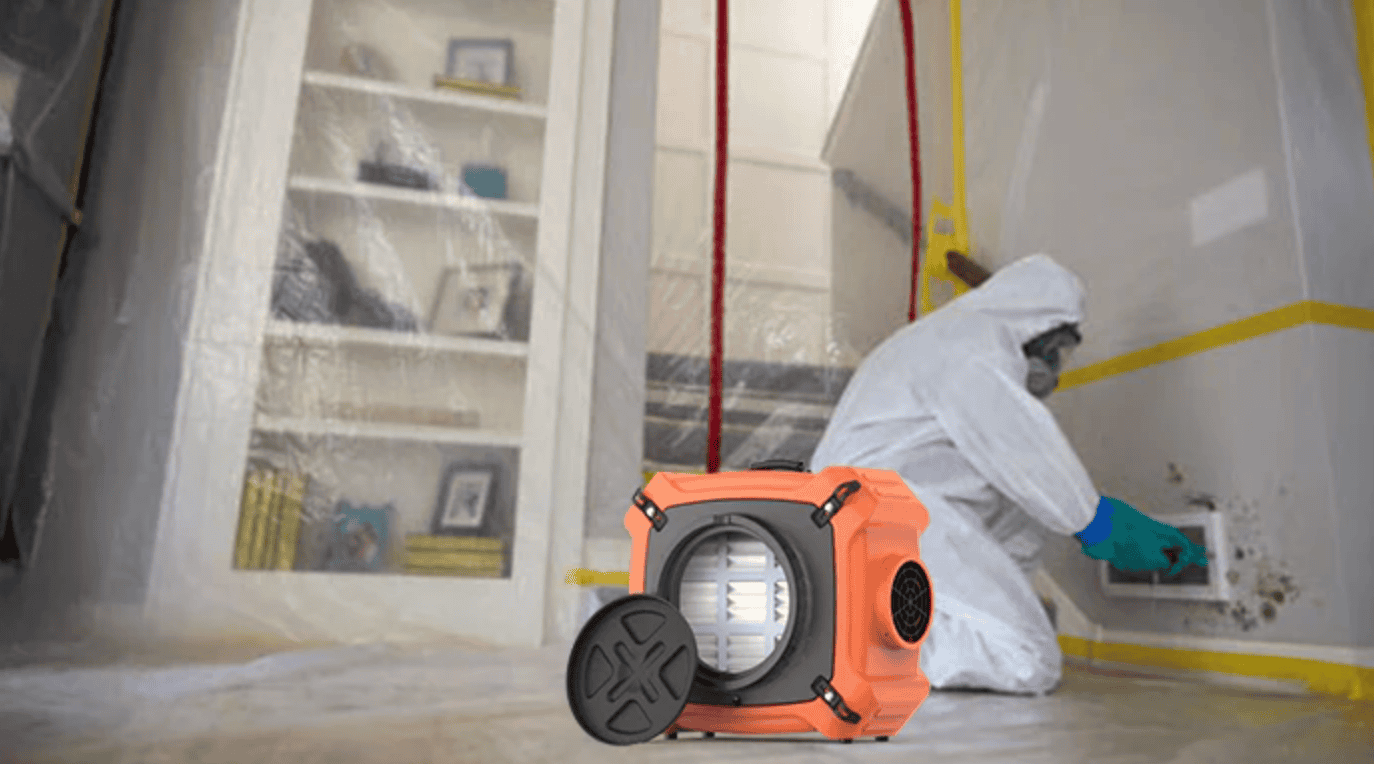
Once mold is confirmed, containment protects unaffected areas of the home.
This involves:
- Installing plastic barriers
- Creating negative air pressure
- Using HEPA air scrubbers
Containment prevents spores from spreading through HVAC systems or into adjacent rooms.
In Biscayne Park homes with open floor plans, this step is especially important.
Skipping containment increases contamination risk.
Removal of Contaminated Materials
Mold removal after plumbing failures often requires selective demolition.
Materials commonly removed include:
- Lower sections of drywall
- Wet insulation
- Damaged baseboards
- Saturated carpet padding
- Mold-affected cabinetry
Porous materials that remain damp cannot simply be cleaned.
They must be removed to eliminate the food source for mold.
Framing and structural wood may be cleaned and treated if structurally sound.
Structural Drying Is Non-Negotiable
After removal, drying begins.
Industrial dehumidifiers and air movers are used to stabilize moisture levels inside:
- Wall cavities
- Framing
- Slab foundations
Drying continues until moisture readings return to acceptable baseline levels.
In Biscayne Park’s humid environment, drying must be monitored carefully.
Rebuilding too soon traps moisture and causes recurrence.
HVAC Inspection Prevents Cross-Contamination
If plumbing failures occurred near mechanical closets or ceiling spaces, HVAC systems may be affected.
Moisture entering duct insulation or air handlers can circulate spores.
Inspection ensures:
- Ducts remain dry
- Drain lines are clear
- No mold growth exists inside components
In some cases, air duct cleaning may be recommended.
Protecting indoor air quality is part of complete mold removal.
Slab Leaks Require Special Attention
Slab-embedded pipes are common in older Biscayne Park homes.
When slab leaks occur:
- Water migrates beneath flooring
- Concrete absorbs moisture
- Mold develops under carpet or wood
Repairing the pipe is only part of the solution.
Mold removal must include slab moisture monitoring before flooring replacement.
Ignoring slab dampness leads to repeat problems.
Why DIY Mold Cleanup Fails
Homeowners sometimes attempt to clean mold with household products.
In plumbing-related cases, this approach fails because:
- Hidden moisture remains
- Wall cavities are not inspected
- Porous materials are not removed
- Drying is incomplete
Wiping visible mold does not address the root cause.
Professional remediation corrects both contamination and moisture conditions.
Odor as a Warning Sign
Musty odors often persist after plumbing failures.
Even if visible staining is minimal, odor indicates moisture remains.
Do not ignore:
- Smells intensifying when AC runs
- Odor near baseboards
- Dampness inside cabinets
Odor without visible growth often signals hidden mold behind surfaces.
Early action reduces remediation scope.
Insurance and Documentation
Plumbing failures often involve insurance claims.
Proper mold removal includes:
- Photographic documentation
- Moisture readings
- Removal records
- Drying logs
Accurate documentation supports the claims process and protects property owners.
Delaying inspection may complicate coverage.
Preventing Mold After Plumbing Repairs
After mold removal is complete, reduce future risk by:
- Inspecting plumbing connections annually
- Replacing aging supply lines
- Monitoring water pressure
- Installing smart leak detection systems
- Maintaining indoor humidity below 55%
- Scheduling routine moisture inspections
Early leak detection dramatically reduces damage.
Technology provides immediate alerts before water spreads.
Why Local Experience Matters
Mold removal in Biscayne Park requires understanding:
- Slab foundation moisture behavior
- Aging plumbing systems
- High humidity levels
- Wind-driven rain intrusion
- HVAC performance in coastal climates
A restoration professional familiar with Biscayne Park, North Miami, Miami Shores, and nearby bayfront neighborhoods recognizes how these factors influence moisture spread.
Tip Top Water and Fire Damage Restoration has handled mold remediation throughout these communities, applying strategies tailored to South Florida’s environmental conditions.
Local expertise ensures thorough removal and long-term stability.
A Practical Perspective
Plumbing failures in Biscayne Park may begin quietly, but mold growth develops quickly in humid conditions.
Understanding mold removal after plumbing leaks means recognizing that:
- Hidden moisture must be identified
- Contaminated materials must be removed
- Structural drying must be verified
- HVAC systems may require inspection
- Slab moisture must be monitored
Surface cleaning alone is not enough.
With structured remediation and proactive maintenance, property owners can eliminate contamination, protect indoor air quality, and prevent repeat mold problems.
In South Florida’s climate, early detection and complete moisture correction are the keys to lasting protection.
Small leaks do not have to become major mold projects — when handled correctly.