
Understanding Water Damage Repair in Sunny Isles Beach from AC Condensation Problems
Sunny Isles Beach, along with nearby communities including Aventura, North Miami Beach, North Miami, Bal Harbour, Surfside, Miami Shores, and Biscayne Park, is known for luxury high-rise condominiums, waterfront homes, and coastal living. While the ocean views and tropical climate make this area desirable, the same climate also creates ongoing moisture challenges.
One of the most underestimated causes of water damage in Sunny Isles Beach properties is air conditioning (AC) condensation problems. Because AC systems operate almost year-round in South Florida, they continuously generate condensation. When that condensation is not properly drained or managed, it can lead to hidden moisture buildup, structural damage, and mold growth.
Understanding how AC condensation leads to water damage—and how professional water damage repair addresses it—is essential for homeowners, condo associations, and property managers in Sunny Isles Beach.
Why AC Condensation Is a Major Issue in Sunny Isles Beach
Air conditioning systems remove humidity from indoor air. As warm, humid air passes over the evaporator coils, moisture condenses into water droplets. This water collects in a drain pan and exits through a condensate drain line.
In coastal environments like Sunny Isles Beach, several factors increase the risk of AC-related water damage:
- High humidity levels year-round
- Continuous AC operation
- Salt-laden air accelerating corrosion
- High-rise building mechanical systems
- Clogged condensate lines from algae and debris
When condensate lines clog or drain pans overflow, water backs up into ceilings, walls, and floors—often unnoticed until visible damage appears.
Common Causes of AC Condensation Water Damage
Understanding the root causes helps property owners recognize risk factors early.
1. Clogged Condensate Drain Lines
Algae, mold, dust, and debris can block the drain line. When water cannot exit properly, it overflows into surrounding materials.
2. Rusted or Cracked Drain Pans
Salt exposure and constant moisture can corrode metal pans, allowing water to leak into ceilings or attics.
3. Improper AC Installation
Incorrectly sloped drain lines or poorly installed systems prevent efficient drainage.
4. Frozen Evaporator Coils
Restricted airflow or low refrigerant levels can cause coils to freeze. When they thaw, excess water may overwhelm the drainage system.
5. Disconnected or Damaged Drain Lines
Over time, vibrations from AC units may loosen fittings or cause cracks in PVC lines.
6. High-Rise Condo Drain Line Issues
In multi-unit buildings, shared drainage systems can clog and affect multiple floors simultaneously.
Early Warning Signs of AC Condensation Water Damage
Homeowners in Sunny Isles Beach should watch for subtle indicators:
- Water stains on ceilings or around air vents
- Damp drywall near indoor air handler units
- Musty odors near AC closets
- Visible rust on drain pans
- Mold growth around vents or baseboards
- Increased indoor humidity despite running AC
- Water pooling near the air handler
Because AC systems often sit in closets, utility rooms, or above ceilings, damage may progress unnoticed without routine inspections.
Hidden Damage Caused by AC Condensation
Condensation-related leaks are often slow and continuous. Over time, this type of moisture intrusion can cause:
- Drywall deterioration
- Warped baseboards and trim
- Subfloor damage
- Mold growth inside wall cavities
- Electrical hazards near air handler units
- Ceiling collapse in severe cases
In high-rise properties, leaks can also travel downward and damage neighboring units, creating liability concerns.
The Professional Water Damage Repair Process
Water damage repair from AC condensation problems in Sunny Isles Beach requires a systematic and thorough approach.
Step 1: Source Identification and Repair
The first priority is identifying and correcting the AC issue:
- Clearing clogged condensate lines
- Repairing or replacing drain pans
- Securing disconnected piping
- Addressing frozen coil causes
- Inspecting HVAC components for corrosion
Without correcting the source, water damage will reoccur.
Step 2: Moisture Assessment
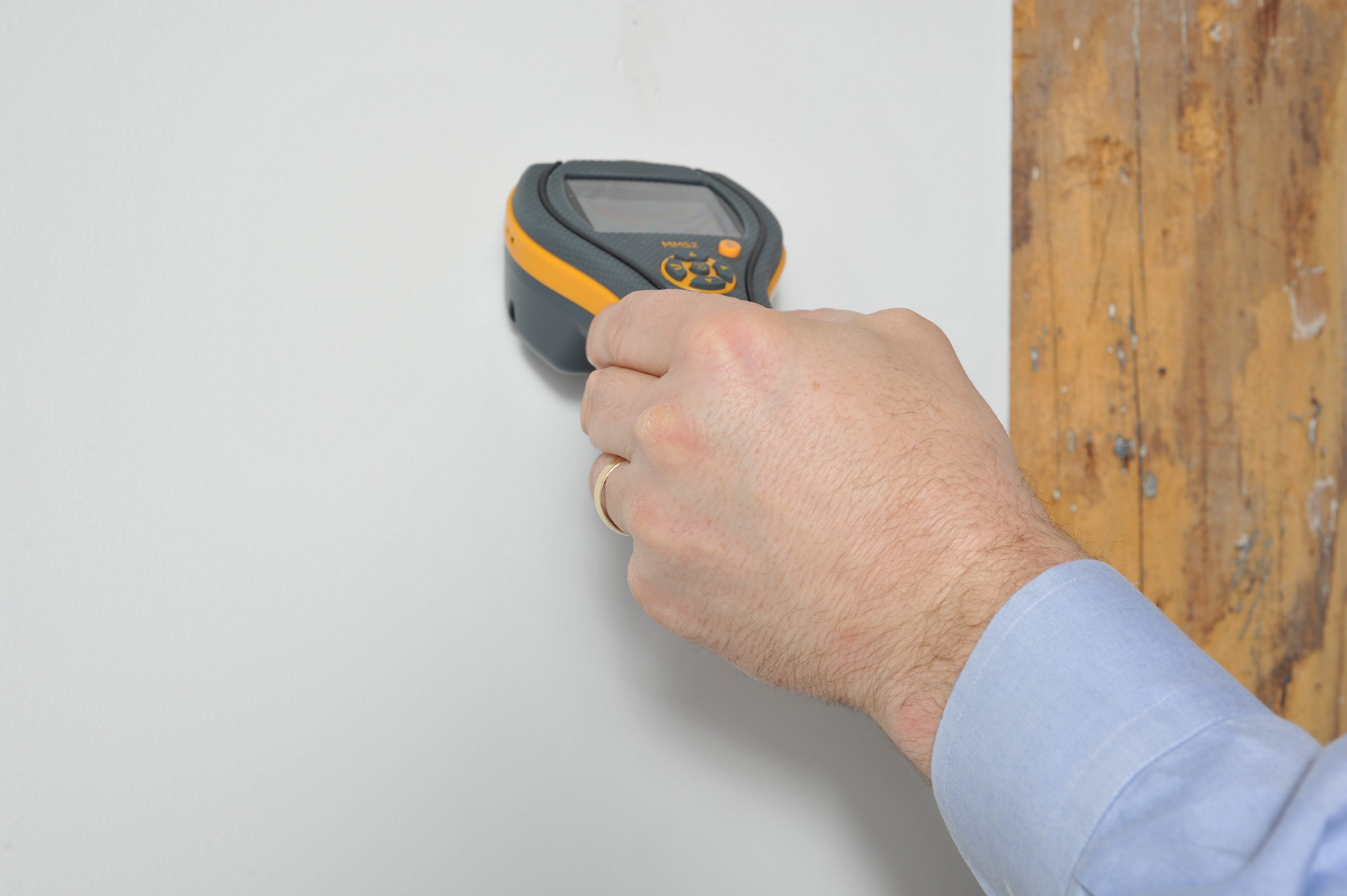
Professionals use:
- Moisture meters
- Thermal imaging cameras
- Hygrometers
These tools detect hidden moisture inside walls, ceilings, and floors. In coastal climates, moisture often spreads beyond the visibly damaged area.
Step 3: Water Extraction
If standing water is present, industrial extraction equipment removes it quickly. Even small amounts must be removed to prevent mold growth.
Step 4: Structural Drying and Dehumidification
High-powered air movers and commercial dehumidifiers are strategically placed to dry:
- Wall cavities
- Insulation
- Subfloors
- Ceiling voids
Drying may take several days depending on saturation levels and humidity conditions.
Step 5: Mold Prevention Treatment
Because Sunny Isles Beach maintains warm temperatures year-round, antimicrobial treatments are often applied to prevent mold growth after drying.
Step 6: Removal of Damaged Materials
If drywall, insulation, or flooring is compromised, affected sections may need removal and replacement. Severely saturated materials cannot always be restored.
Step 7: Repairs and Restoration
This phase may include:
- Drywall replacement
- Painting
- Baseboard installation
- Ceiling repair
- Flooring replacement
The goal is restoring the property to its pre-damage condition.
Special Considerations for High-Rise Condos in Sunny Isles Beach
Many Sunny Isles Beach properties are luxury condominiums with centralized HVAC systems and stacked plumbing infrastructure. Unique challenges include:
- Shared drain systems between units
- Limited access to ceiling cavities
- HOA regulations governing repairs
- Water traveling between floors
- Insurance coordination between neighbors
Prompt reporting and professional intervention are essential to limit liability and prevent disputes.
Why DIY Repairs Often Fail
Homeowners sometimes attempt to handle AC condensation leaks independently. However:
- Shop vacs do not remove moisture inside walls
- Household fans cannot adequately dry saturated insulation
- Mold may begin growing within 24–48 hours
- The root cause may remain unresolved
Professional equipment and experience ensure complete moisture removal and prevent recurring damage.
Long-Term Prevention Strategies
Preventing AC condensation-related water damage requires proactive maintenance:
Regular HVAC Maintenance
Schedule biannual inspections to clean drain lines and inspect pans.
Install Float Switches
Float switches automatically shut off the AC if the drain pan fills with water.
Flush Condensate Lines
Routine flushing with appropriate cleaning solutions reduces algae buildup.
Monitor Indoor Humidity
Maintain indoor humidity between 30–50%.
Inspect After Storms
Heavy rains and power outages can affect HVAC systems.
Replace Aging Units
Older systems are more prone to drainage failure and corrosion.
The Role of Coastal Climate
Sunny Isles Beach’s climate intensifies AC condensation risks:
- Constant humidity increases water production
- Salt air accelerates corrosion
- High AC usage reduces system downtime
- Warm temperatures speed mold growth
These environmental factors make routine inspection and professional repair especially important.
Why Local Expertise Matters
Tip Top Water and Fire Damage Restoration understands the unique moisture and HVAC challenges affecting Sunny Isles Beach properties and surrounding areas including Aventura, North Miami Beach, Bal Harbour, Surfside, Miami Shores, and Biscayne Park.
Local expertise ensures:
- Accurate identification of condensation-related leaks
- Knowledge of high-rise infrastructure systems
- Proper moisture detection methods
- Fast response times
- Thorough drying and mold prevention
Coastal properties require specialized knowledge to address water damage effectively.
Protecting Property Value and Indoor Air Quality
Unchecked AC condensation leaks can:
- Lower property value
- Create mold-related health risks
- Cause structural deterioration
- Lead to expensive insurance claims
- Affect neighboring condo units
Prompt water damage repair preserves both structural integrity and indoor comfort.
Calm, Trust-Based Conclusion
AC condensation problems are a common but often overlooked cause of water damage in Sunny Isles Beach homes and condominiums. The area’s humid coastal climate, combined with year-round air conditioning use, makes proper drainage and maintenance essential.
When condensation systems fail, hidden moisture can quickly spread into walls, ceilings, and floors. Professional water damage repair—beginning with source correction, followed by moisture detection, structural drying, and restoration—ensures long-term protection.
By combining proactive HVAC maintenance with expert water damage response, property owners in Sunny Isles Beach can safeguard their homes, maintain indoor air quality, and protect their investment against the ongoing challenges of South Florida’s coastal environment.