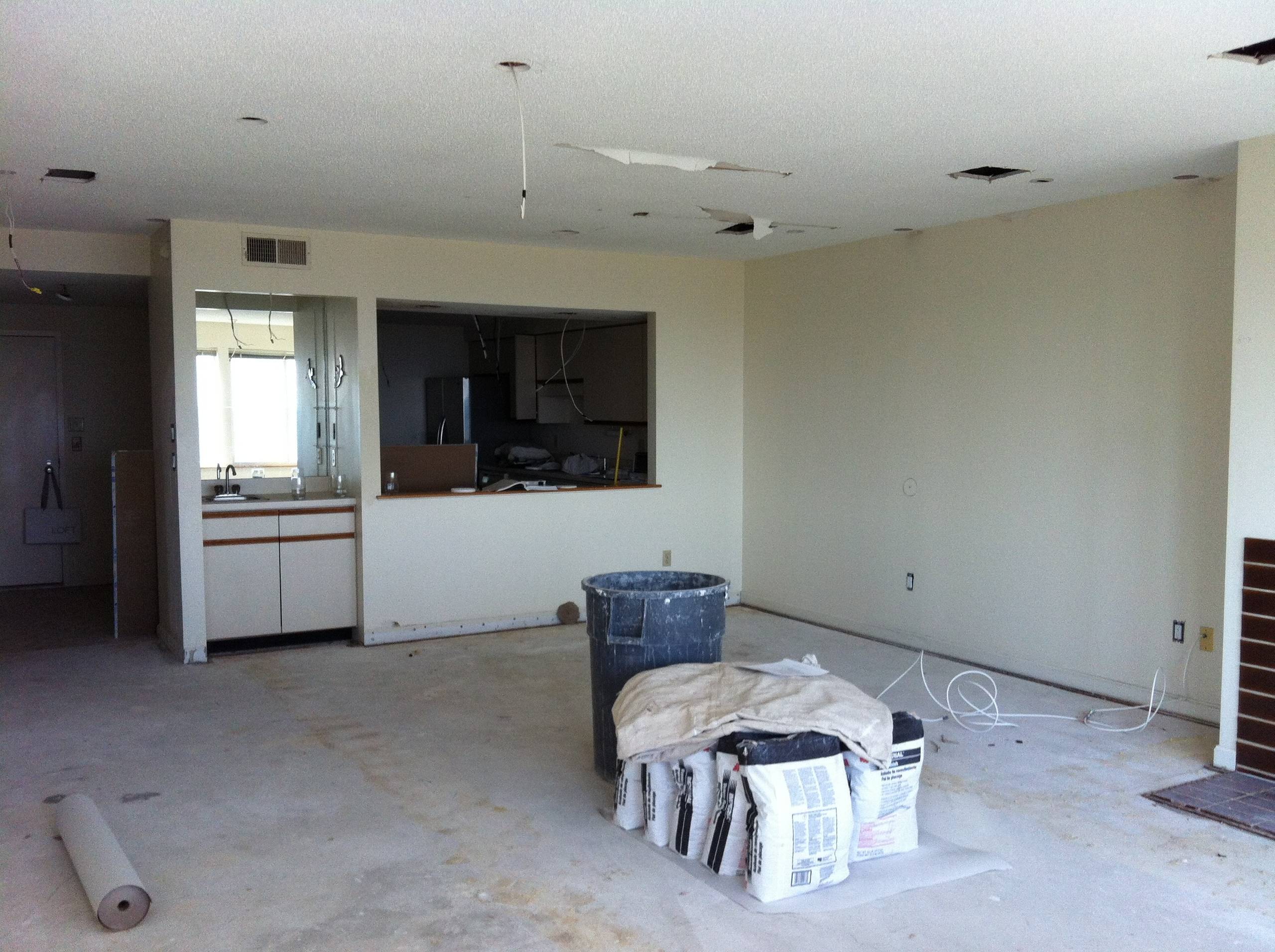
Water Damage Repair in Coastal Neighborhoods Near Biscayne Bay: Smart Planning for Long-Term Protection
Water damage is one of the most common challenges homeowners face in coastal neighborhoods near Biscayne Bay. Between heavy rains, high humidity, and the constant influence of salt air, even well-maintained homes can experience moisture problems that gradually lead to structural damage. While repairing water damage is essential, smart planning for long-term protection is just as important.
Understanding how water damage develops—and how to prevent it from returning—helps homeowners, landlords, and property managers protect their properties and avoid costly repairs in the future.
What Water Damage Really Involves
Water damage is not limited to visible puddles or soaked flooring. Moisture often spreads through building materials and becomes trapped in places that are not easy to see.
Common forms of water damage include:
- Saturated drywall and insulation
- Warped or swollen wood flooring
- Damp subfloors
- Water stains on ceilings or walls
- Hidden moisture inside wall cavities
In coastal climates, high humidity slows the drying process, which allows moisture to remain in materials longer and increases the likelihood of mold growth.
Why Coastal Homes Near Biscayne Bay Are More Vulnerable
Properties near Biscayne Bay are exposed to environmental conditions that increase the risk of water intrusion.
Heavy seasonal rains and tropical storms are a major factor. Wind-driven rain can force water into small gaps around windows, roofing materials, or exterior walls.
Humidity is another constant influence. Even without a leak, moisture in the air can condense on cooler surfaces, including air ducts, pipes, and walls.
Salt air also plays a role by accelerating corrosion in metal components and weakening seals around windows and doors, allowing water to enter more easily over time.
Nearby communities such as North Miami Beach, Miami Shores, Surfside, and Biscayne Park often experience similar challenges due to their proximity to the coast.
Real-World Causes of Water Damage in Coastal Homes
In many restoration projects, certain causes appear repeatedly.
Roof leaks are one of the most frequent sources. Even small openings in roofing materials can allow water to enter gradually during storms.
Plumbing failures are another common issue. Burst pipes, leaking supply lines, and malfunctioning appliances can release large amounts of water in a short time.
Air conditioning systems also contribute to water damage. Clogged drain lines, frozen evaporator coils, or poorly insulated ducts can lead to condensation buildup that spreads into surrounding materials.
Ground saturation after prolonged rainfall can also allow moisture to seep into foundations and slab edges.
Signs That Water Damage Repair May Be Needed
Some warning signs appear quickly, while others develop gradually.
Homeowners often notice:
- Musty or damp odors
- Peeling paint or bubbling drywall
- Warped baseboards or flooring
- Stains on ceilings or walls
- Increased indoor humidity
In coastal environments, humidity can sometimes mask early warning signs, making professional moisture inspections especially useful.
Hidden Damage That Often Goes Undetected
One of the biggest challenges with water damage is that it often affects areas that are not visible.
Moisture can remain trapped:
- Beneath flooring materials
- Inside insulation
- Behind cabinets or walls
- Inside air ducts
- Under appliances
Professionals frequently discover hidden moisture days or even weeks after the original intrusion occurred.
Without proper drying, these damp areas can lead to mold growth or structural deterioration.
Why Professional Water Damage Repair Is Important
Surface drying alone is rarely enough to prevent long-term problems. Proper water damage repair involves a structured process designed to remove moisture completely.
This process usually includes:
- Water extraction
- Moisture detection
- Structural drying
- Cleaning and sanitizing
- Repair or replacement of damaged materials
Specialized equipment such as air movers, dehumidifiers, and moisture meters helps ensure that drying is thorough and effective.
Companies like Tip Top Water and Fire Damage Restoration often perform these steps in coastal homes where hidden moisture would otherwise lead to recurring damage.
The Importance of Moisture Detection During Repairs
Moisture detection plays a critical role in water damage repair because it identifies damp areas that cannot be seen.
Thermal imaging cameras and moisture meters allow technicians to locate water inside walls, ceilings, and flooring. This helps ensure that drying is complete and prevents future problems such as mold growth.
Early detection is especially important in humid coastal environments, where moisture can linger longer than expected.
Smart Planning for Long-Term Protection
Repairing water damage is only part of the solution. Long-term protection requires addressing the underlying causes of moisture.
One of the most effective strategies is regular maintenance. Roof inspections, plumbing checks, and HVAC servicing help identify potential problems before they lead to water intrusion.
Improving drainage around foundations and ensuring proper sealing of windows and doors also reduces the risk of water entering the structure.
Humidity control is another important factor. Maintaining proper indoor humidity levels helps prevent condensation and reduces the likelihood of mold growth.
The Role of HVAC Systems in Long-Term Protection
Air conditioning systems play a major role in moisture control in South Florida homes. When systems are not maintained, condensation can accumulate and lead to hidden water damage.
Routine inspection of drain lines, coils, and duct insulation helps prevent leaks and ensures the system removes humidity effectively.
Air ducts should also be inspected periodically, as condensation inside ductwork can spread moisture throughout a home.
Preventing Mold After Water Damage
One of the biggest risks after water intrusion is mold growth. Warm temperatures and high humidity create ideal conditions for mold to develop when moisture is present.
Prompt drying, proper ventilation, and regular inspections help reduce this risk significantly.
In many coastal homes, mold problems begin in areas that were not thoroughly dried after a leak or flood, which is why careful repair and monitoring are so important.
Why Local Experience Matters
Water damage repair in coastal neighborhoods near Biscayne Bay requires an understanding of how humidity, storms, and salt air affect buildings.
Professionals familiar with local conditions know where moisture tends to accumulate and how to dry structures effectively in humid environments.
Tip Top Water and Fire Damage Restoration has experience working in coastal communities including Sunny Isles Beach, North Miami Beach, and Miami Shores, where water intrusion patterns are influenced by environmental conditions unique to South Florida.
Local knowledge helps ensure repairs are thorough and long-lasting.
A Practical Approach to Long-Term Property Protection
Water damage can happen unexpectedly, but careful planning and preventive maintenance make a significant difference. Early detection, proper drying, and regular inspections help prevent recurring problems and protect the structural integrity of a home.
For property owners near Biscayne Bay, staying proactive with maintenance and moisture control is one of the most effective ways to avoid costly repairs and maintain a safe, comfortable indoor environment.
Long-term protection isn’t just about fixing damage—it’s about preventing it from happening again.