
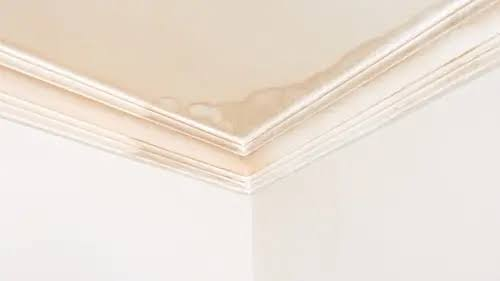
Water Leak Detection in Bayfront Homes in North Miami: Practical Steps That Really Work
Living in a bayfront home in North Miami has obvious advantages — water views, cooling breezes, and strong property value. But proximity to Biscayne Bay also brings one constant maintenance concern: moisture intrusion.
Water leaks in coastal properties don’t always announce themselves with dramatic flooding. Often, they begin quietly — behind a wall, beneath flooring, or inside an HVAC closet.
In a humid environment like North Miami, small leaks rarely stay small.
If you own a bayfront home near Biscayne Bay, understanding how water leak detection works — and which steps actually prevent long-term damage — is essential.
Why Bayfront Homes Face Higher Leak Risk
Bayfront homes in North Miami operate under steady environmental pressure:
- High year-round humidity
- Salt-heavy coastal air
- Wind-driven rain
- Elevated groundwater levels
- Hurricane-season storms
- Concrete block construction
- Slab foundations
Salt exposure gradually weakens seals and flashing. Humidity slows drying. Groundwater can migrate upward.
These factors make early leak detection critical.
Waiting for visible damage usually means moisture has already spread.
The Most Common Leak Sources in North Miami Bayfront Homes
Understanding where leaks begin helps you detect them early.
1. Roof and Flashing Failures
Tile roofs and flat roof sections are vulnerable during storm season. Wind-driven rain pushes water under tiles or flashing.
Leaks often soak attic insulation before ceiling stains appear.
2. Window and Sliding Door Seals
Large glass openings facing the bay are exposed to heavy wind and salt. Over time, seals deteriorate.
Water may enter wall cavities without obvious surface damage.
3. Slab Plumbing Leaks
Copper or PVC lines beneath slab foundations may develop slow leaks.
Moisture migrates upward into flooring systems.
4. AC Condensate Line Clogs
Air conditioning systems run nearly year-round. Drain line blockages frequently cause hidden water accumulation inside air handler closets.
5. Balcony and Exterior Drainage Issues
Improper drainage during heavy rain can force water back toward the structure.
Each of these scenarios requires accurate detection — not guesswork.
Why Visual Inspections Aren’t Enough
Homeowners often rely on visible signs:
- Ceiling stains
- Peeling paint
- Warped flooring
- Musty odors
But water spreads before these symptoms appear.
Moisture can move into:
- Insulation
- Subflooring
- Baseboards
- Wall cavities
- Duct insulation
By the time visible staining appears, damage may already be extensive.
Professional leak detection identifies moisture before structural deterioration begins.
Practical Step #1: Use Moisture Meters After Storms
After heavy rain or hurricanes, testing interior walls and ceilings is a smart precaution.
Moisture meters measure the moisture content inside building materials.
Even if surfaces appear dry, elevated readings may reveal hidden intrusion.
Routine post-storm testing in bayfront homes helps prevent slow-developing mold issues.
Practical Step #2: Inspect Attic Spaces Thoroughly
Attics are often the first place roof leaks appear.
Check for:
- Damp insulation
- Darkened roof sheathing
- Rusted nails
- Musty odors
Because humid coastal air slows drying, attic moisture may remain long after rain stops.
Thermal imaging can help identify damp areas not visible to the eye.
Practical Step #3: Monitor Indoor Humidity Levels
Humidity in North Miami rarely drops significantly.
If indoor humidity stays above 60%, condensation can form on cooler surfaces.
This may cause:
- Wall cavity dampness
- HVAC condensation
- Mold growth in closets
Using dehumidifiers and maintaining HVAC systems reduces background moisture that makes leaks worse.
Practical Step #4: Check Slab and Flooring Areas
Slab leaks are common in older North Miami homes.
Signs include:
- Warm spots on flooring
- Unexplained water bills
- Loose tiles
- Buckling wood
Moisture detection tools confirm whether water is migrating upward through the slab.
Surface dryness alone does not confirm slab stability.
Practical Step #5: Inspect HVAC Systems Regularly
AC systems are one of the most overlooked leak sources.
Check for:
- Clogged condensate lines
- Rusted drain pans
- Damp insulation inside ducts
- Water pooling near air handlers
If moisture enters duct systems, it can spread throughout the home.
Air duct cleaning may be necessary if contamination occurs.
Practical Step #6: Use Thermal Imaging for Hidden Leaks
Thermal imaging cameras detect temperature differences that may indicate hidden moisture.
They are especially useful for:
- Wall cavity leaks
- Window intrusion
- Roof seepage
- Plumbing failures
This non-invasive method reduces unnecessary demolition.
Accurate detection limits repair scope.
Why Quick Response Prevents Mold
In North Miami’s humid climate, mold can begin forming within 24–48 hours after materials become damp.
Water leak detection helps you:
- Identify the source quickly
- Stop the leak
- Dry affected areas
- Prevent microbial growth
The faster moisture is stabilized, the lower the restoration cost.
The Importance of Post-Repair Verification
After leak repairs, moisture levels must be verified before rebuilding.
Without confirmation:
- Damp drywall may be sealed behind paint
- Subfloor moisture may remain trapped
- Mold risk may continue
Professional moisture detection ensures materials are truly dry.
Verification prevents repeat repairs.
Why Local Experience Matters
Water leak detection in bayfront North Miami homes requires understanding:
- Coastal wind patterns
- Salt air deterioration
- Slab foundation moisture behavior
- Hurricane-driven rain intrusion
- High humidity drying delays
Professionals familiar with North Miami, Miami Shores, and Biscayne Park know where moisture typically hides in coastal properties.
Tip Top Water and Fire Damage Restoration approaches leak detection with local expertise, focusing on long-term structural stability rather than surface-level fixes.
Experience reduces unnecessary demolition and repeat damage.
A Practical Maintenance Mindset
Water leak detection in bayfront homes isn’t reactive — it’s preventive.
If you notice:
- Slight staining
- Musty odors
- Elevated humidity
- Flooring changes
- AC performance shifts
… inspect early.
Measure moisture. Confirm dryness. Repair immediately.
In North Miami’s coastal environment, small leaks become big problems only when ignored.
Handled quickly and accurately, water leaks remain manageable — even in bayfront homes exposed to constant humidity and salt air.
Early detection is protection.