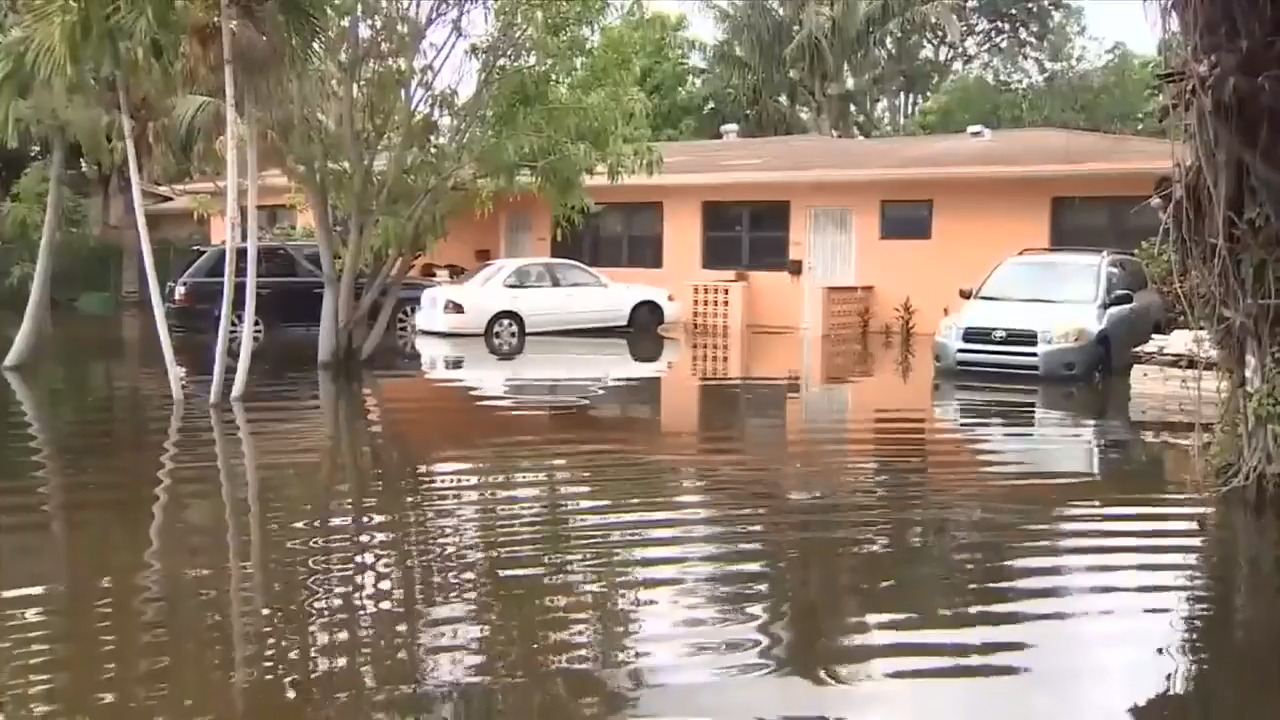
Water Removal in Bayfront Homes in North Miami During Humid Summer Months: What to Watch For
Bayfront homes in North Miami offer stunning views and luxurious living, but they also come with unique challenges—particularly when it comes to water intrusion. During humid summer months, the combination of high heat, coastal humidity, frequent thunderstorms, and occasional storm surges can lead to water damage in ways that are often unexpected.
Water removal is not just about extracting standing water. It involves understanding how moisture interacts with building materials, controlling humidity, and preventing long-term problems like mold and structural deterioration. This article explores what bayfront homeowners should watch for during water removal in North Miami, practical steps for effective mitigation, and how local expertise makes a difference.
Why Water Damage Is a Concern in North Miami Bayfront Homes
North Miami’s coastal location exposes properties to environmental factors that accelerate water intrusion and retention:
1. High Humidity
Humidity levels during summer often exceed 70%, slowing evaporation and prolonging moisture exposure. Carpets, subflooring, and walls retain water longer than in drier climates, creating ideal conditions for microbial growth.
2. Coastal Storms and Flooding
Bayfront properties are particularly vulnerable to wind-driven rain, storm surges, and tidal flooding. Even minor breaches in doors, windows, or roofing can result in water seeping into living spaces.
3. AC System Condensation
Air conditioners work continuously during hot summer months. If condensate lines clog or drip pans overflow, water may collect near walls, ceilings, or floors, contributing to hidden water damage.
4. Slab Foundations and Crawlspaces
Bayfront homes often feature slab-on-grade foundations. Leaks from plumbing or drainage systems beneath the slab can lead to slow, unnoticed water infiltration. Crawlspaces may also trap moisture, making detection and removal more challenging.
Common Water Intrusion Sources in Bayfront Homes
Understanding where water originates is crucial for effective removal. Key sources include:
- Roof Leaks and Flashing Failure – Damaged shingles or poor flashing around skylights, chimneys, or vents allow rainwater into the attic.
- Windows and Sliding Glass Doors – Improper sealing or aging caulking can permit wind-driven rain to penetrate interior spaces.
- Plumbing Failures – Burst pipes, leaking faucets, or faulty water heaters can saturate flooring and walls.
- AC Condensate Overflow – Blocked condensate lines or malfunctioning drip pans can release water directly onto living areas.
- Storm Surges – High tides or storm-related flooding can infiltrate garages, basements, or first-floor living spaces.
Signs That Water Removal Is Needed
Water intrusion may not always be obvious, especially when humidity masks the presence of moisture. Watch for:
- Damp or spongy flooring
- Bubbling, peeling, or discolored paint
- Musty odors or persistent damp smells
- Stains on walls, ceilings, or baseboards
- Warped wood or swelling in doors and cabinetry
- Visible puddles or pooled water after heavy rainfall
Even minor moisture retention can escalate into mold, mildew, or structural damage if not addressed promptly.
Why Humidity Makes Water Removal More Complex
In North Miami bayfront homes, summer humidity complicates water removal:
1. Slower Drying Times
High humidity slows evaporation from carpets, hardwood floors, walls, and furniture, allowing microbial growth to occur faster.
2. Hidden Moisture
Water may seep into wall cavities, under flooring, or into subflooring. Without moisture detection tools, these hidden areas remain wet even after surface water is removed.
3. Mold and Mildew Risk
Persistent moisture, combined with warm temperatures, creates ideal conditions for mold and mildew to thrive. Mold can begin growing within 24–48 hours, especially in porous materials like wood, drywall, and carpet padding.
Steps for Effective Water Removal in Bayfront Homes
Professional water removal involves more than mopping up visible water. Here’s a step-by-step approach that ensures thorough mitigation:
Step 1: Assess the Situation
- Determine the source and extent of water intrusion
- Identify high-risk areas like attics, crawlspaces, and HVAC systems
- Inspect flooring, walls, and structural materials for saturation
Step 2: Remove Standing Water
- Use high-powered water extraction equipment to remove visible water
- Extract water from carpets, padding, and under flooring
- Ensure removal is comprehensive to prevent lingering moisture pockets
Step 3: Dry and Dehumidify
- Deploy air movers, fans, and dehumidifiers to circulate air and reduce humidity
- Monitor moisture levels with meters to ensure materials reach safe moisture content
- Pay special attention to hidden areas like wall cavities, subflooring, and attics
Step 4: Sanitize and Treat Affected Areas
- Apply antimicrobial solutions to prevent mold and bacterial growth
- Treat wood, drywall, and other porous surfaces with mold inhibitors
- Clean HVAC components if condensation or water exposure occurred
Step 5: Address the Source of Moisture
- Repair leaking roofs, pipes, or windows
- Ensure AC condensate lines and drip pans are functional
- Improve drainage and seal foundations to prevent future water intrusion
Hidden Areas That Require Special Attention
Bayfront homes often contain areas where water accumulates undetected:
- Under Cabinets and Appliances – Plumbing leaks or spills can go unnoticed for days
- Behind Baseboards and Walls – Water can wick up drywall and wood framing
- Crawlspaces and Slab Foundations – Moisture can persist beneath the surface
- Attics – Roof leaks or condensation can soak insulation and roof decking
- HVAC Systems – Ductwork and drip pans may harbor water, spreading moisture throughout the home
Using professional moisture detection tools ensures these areas are thoroughly inspected.
Preventing Future Water Damage
Once water removal is complete, preventing recurrence is crucial:
- Routine Roof and Window Inspections – Identify potential entry points before storms
- HVAC Maintenance – Clean condensate lines, drip pans, and filters
- Humidity Control – Maintain indoor humidity below 50% with dehumidifiers or AC adjustments
- Prompt Plumbing Repairs – Address leaks immediately
- Flood-Resilient Landscaping – Grade soil and install drainage to divert water away from foundations
Why Professional Expertise Matters
Companies like Tip Top Water and Fire Damage Restoration provide local knowledge and specialized equipment for bayfront homes:
- Awareness of coastal weather patterns and seasonal storms
- Moisture detection tools including meters, thermal imaging, and hygrometers
- Expertise in drying techniques that work effectively in humid environments
- Preventive strategies to reduce future water intrusion and mold growth
Professional water removal ensures that homes are safe, dry, and protected against long-term damage.
Conclusion
Water removal in North Miami bayfront homes during humid summer months is a complex but essential process. High humidity, coastal storms, AC condensation, and aging building materials all contribute to hidden water problems that can lead to mold, mildew, and structural damage.
Effective water removal requires early detection, thorough extraction, proper drying and dehumidification, and addressing the source of moisture. Homeowners and property managers who engage professionals with local expertise ensure that their bayfront homes remain safe, comfortable, and well-maintained—even during South Florida’s most challenging summer conditions.
By understanding what to watch for and implementing a comprehensive water removal strategy, North Miami bayfront homeowners can protect both their property and their investment in a humid, storm-prone environment.