
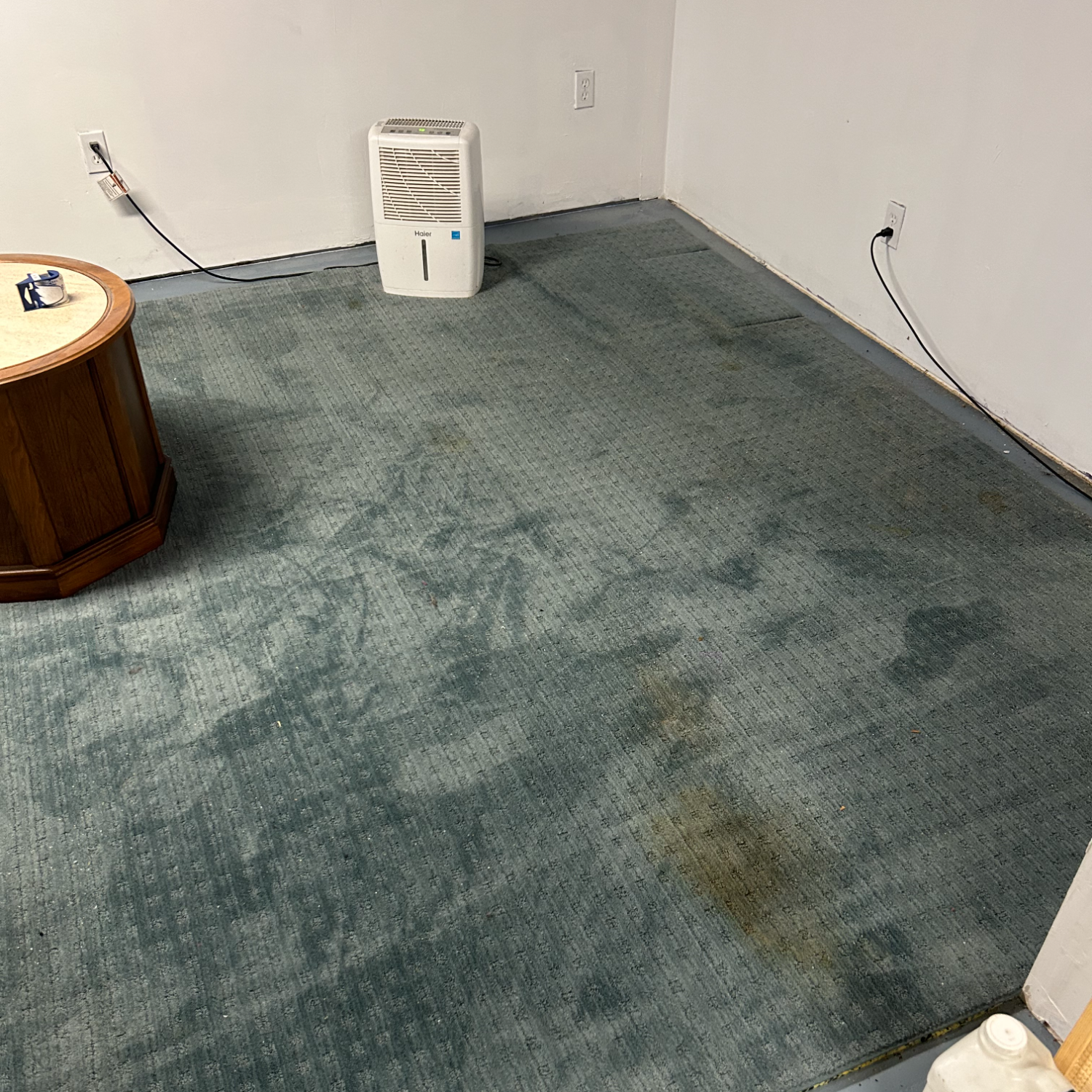
What Really Causes the Need for Carpet Cleaning After Water Damage in Coastal Neighborhoods Near Biscayne Bay
Water damage is a frequent concern for homeowners and property managers in coastal neighborhoods near Biscayne Bay. From North Miami and Miami Shores to Biscayne Park and nearby waterfront communities, moisture-related issues are part of daily property maintenance. When water enters a home, one of the first materials affected is carpeting.
Many residents assume once the visible water dries, the carpet is fine. However, carpets hold moisture deep within fibers and padding, creating conditions that lead to long-term odor, contamination, and structural issues if not properly cleaned and restored.
Understanding what truly causes the need for carpet cleaning after water damage helps property owners prevent future problems and maintain healthier indoor environments.
Understanding How Water Damages Carpets
Carpets act like giant sponges. When water enters a home due to flooding, plumbing leaks, or storm intrusion, carpet fibers absorb water immediately. But the real problem occurs beneath the surface.
Moisture quickly spreads into:
• Carpet padding underneath
• Subfloor materials
• Baseboards and wall edges
• Adjacent flooring areas
Even after the surface appears dry, trapped moisture often remains in lower layers. Without proper cleaning and drying, this hidden moisture can lead to long-term damage.
Why This Happens So Often Near Biscayne Bay
Coastal neighborhoods near Biscayne Bay experience unique environmental conditions that increase the risk of water damage.
Common local factors include:
• Heavy summer rainstorms and tropical weather
• Rising water levels during storm surges
• High groundwater in waterfront communities
• Aging plumbing systems in older homes
• AC condensation issues in humid climates
• Humidity that prevents natural drying
Because humidity levels stay high for much of the year, wet materials take much longer to dry naturally, especially carpets and padding.
Homes in Aventura, North Miami Beach, Sunny Isles Beach, and Surfside frequently face moisture challenges that make professional restoration necessary.
Common Signs Carpets Need Professional Cleaning After Water Damage
Homeowners often assume carpets are safe once they feel dry to the touch. However, several warning signs indicate deeper issues remain.
Typical signs include:
• Persistent musty or damp odors
• Carpet discoloration or staining
• Soft or spongy flooring areas
• Mold or mildew smell
• Increased allergy symptoms indoors
• Recurring dampness in rooms
These signs usually indicate moisture remains trapped below the carpet surface.
Hidden Damage Beneath the Carpet
What makes carpet damage tricky is that most problems occur out of sight.
Hidden issues often include:
• Saturated carpet padding holding moisture
• Damp subfloors beginning to weaken
• Mold growth under carpet layers
• Bacteria introduced by floodwater
• Odor-causing contamination trapped below
Even clean-looking water can cause damage if carpets remain wet too long.
In many coastal properties, moisture becomes trapped beneath carpeted areas and spreads into nearby walls and flooring materials.
Why DIY Carpet Drying Often Fails
Many property owners try to dry carpets themselves using fans or household dehumidifiers. While this may help surface moisture, it rarely resolves deeper problems.
DIY drying fails because:
• Household equipment cannot remove deep moisture
• Carpet padding remains wet
• Subfloors dry slowly without professional equipment
• Odors return due to trapped moisture
• Mold growth continues unseen
Proper restoration requires specialized water extraction tools and drying systems designed for structural materials.
Professional Carpet Inspection and Moisture Testing
Professional restoration begins with inspection and moisture detection to determine how far water has spread.
Inspection typically involves:
• Measuring moisture levels in carpet and padding
• Checking subfloor saturation
• Identifying contamination from floodwater
• Inspecting nearby walls and baseboards
• Evaluating humidity levels in affected rooms
This evaluation helps determine whether carpets can be restored or must be replaced.
Proper Carpet Cleaning and Restoration Process
A thorough carpet restoration process includes several important steps.
Typical procedures include:
- Water extraction using industrial equipment
- Removal of saturated carpet padding when necessary
- Structural drying of subfloors
- Cleaning and sanitizing carpet fibers
- Odor removal treatments
- Controlled drying with air movers and dehumidifiers
- Final moisture verification
Local companies experienced with coastal conditions, including Tip Top Water and Fire Damage Restoration, understand how humidity influences drying and cleaning processes in North Miami and surrounding communities.
Floodwater and Carpet Contamination Risks
Floodwater often contains contaminants that make cleaning more complex. In coastal neighborhoods, floodwater may include:
• Dirt and debris from outside
• Bacteria and microorganisms
• Chemical residues
• Sewer or drainage contamination
In such cases, carpets may require specialized sanitation or full replacement to ensure safety.
Prompt restoration reduces contamination risks and prevents permanent damage.
How Air Conditioning Systems Affect Carpet Moisture
Air conditioning systems play a key role in moisture control in South Florida homes. However, they can also contribute to carpet moisture problems.
Common AC-related issues include:
• Condensation leaks near air handlers
• Drain line blockages causing overflow
• Poor humidity control inside homes
• Moisture spreading through duct systems
When AC systems malfunction, excess moisture can settle into carpets and flooring without obvious flooding.
Cleaning ducts and servicing AC systems often helps prevent repeat moisture issues.
Preventing Carpet Problems After Water Damage
Preventing future carpet damage involves proactive maintenance and early action when moisture appears.
Helpful prevention steps include:
• Inspecting plumbing regularly for leaks
• Maintaining AC drain lines and systems
• Monitoring indoor humidity levels
• Acting quickly after spills or leaks
• Inspecting roofs and windows after storms
• Cleaning drainage systems around homes
Quick response after water intrusion significantly reduces carpet damage.
Why Local Restoration Experience Matters
Water damage restoration in coastal South Florida requires understanding the local climate and building conditions.
Professionals familiar with North Miami and nearby Biscayne Bay communities understand:
• How humidity affects drying
• Construction styles common in coastal homes
• Flood risks in waterfront neighborhoods
• Condo and multi-unit restoration procedures
Local expertise often leads to faster and more effective restoration outcomes.
Taking Action to Prevent Long-Term Carpet Damage
Water damage does not have to lead to permanent carpet loss or recurring odor problems. Acting quickly and ensuring proper cleaning and drying prevents future maintenance issues.
Homeowners and property managers throughout North Miami, Miami Shores, Biscayne Park, Aventura, and nearby coastal communities benefit from addressing moisture issues early and thoroughly.
Tip Top Water and Fire Damage Restoration has assisted many local property owners in restoring homes after water damage while helping prevent repeat problems caused by hidden moisture.
When carpets are properly cleaned, dried, and restored, homes remain comfortable, healthier, and protected from long-term structural damage common in coastal environments near Biscayne Bay.