What Really Causes the Need for Flood Restoration in Aventura
Flooding is one of the most disruptive property problems faced by homeowners and property managers in Aventura. While major storms and hurricanes are obvious causes, many flood restoration projects actually begin with smaller events—heavy rain, plumbing failures, or drainage problems that allow water to enter a property and remain trapped.
In coastal communities near Biscayne Bay, high humidity and warm temperatures make flooding more damaging because moisture lingers longer. Understanding what really causes the need for flood restoration helps property owners respond quickly and prevent long-term structural damage.
What Flood Restoration Really Means
Flood restoration is the process of removing standing water, drying affected materials, cleaning contaminated areas, and repairing damage caused by water intrusion. It involves much more than simply removing visible water.
Flood restoration typically includes:
- Water extraction
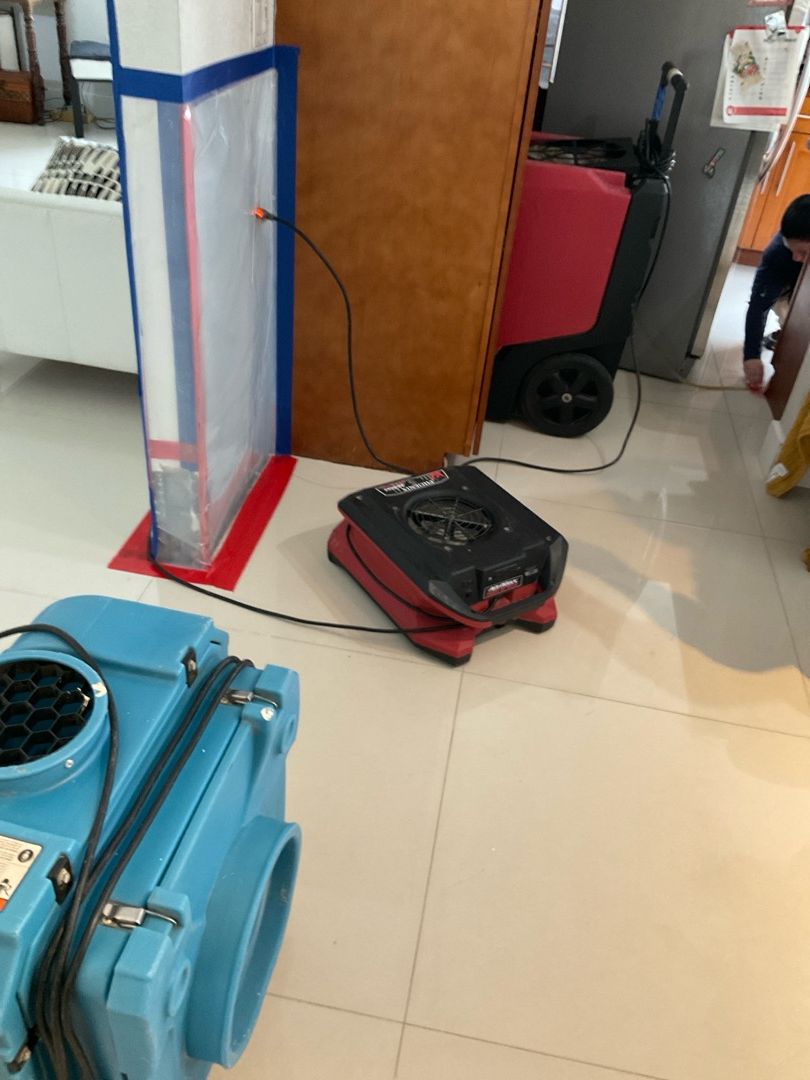
- Drying and dehumidification
- Moisture detection in hidden areas
- Cleaning and sanitizing surfaces
- Repairing damaged materials
This process helps prevent mold growth, structural weakening, and indoor air quality problems.
Heavy Rain and Stormwater Intrusion
One of the most common causes of flooding in Aventura is intense rainfall. Sudden summer storms can overwhelm drainage systems, allowing water to accumulate around buildings and enter interior spaces.
Storm-related flooding often occurs when:
- Gutters or drains become clogged
- Water pools near entryways or garage areas
- Roof leaks allow rainwater inside
- Wind-driven rain penetrates windows or seals
Even short storms can introduce enough water to require professional restoration.
Plumbing Failures and Appliance Leaks
Flooding does not always come from outside. Many restoration projects in Aventura begin with plumbing failures or appliance malfunctions.
Common indoor sources of flooding include:
- Burst or leaking pipes
- Water heater failures
- Washing machine or dishwasher hose leaks
- Overflowing sinks or bathtubs
These incidents can release large amounts of water in a short time, soaking carpets, drywall, and flooring.
Air Conditioning and Condensation Issues
Air conditioning systems are essential in South Florida, but they can also contribute to flooding if not maintained properly. Condensate drain lines may clog, causing water to overflow into surrounding areas.
AC-related flooding often affects:
- Closets containing air handlers
- Ceiling cavities near ductwork
- Flooring beneath indoor units
- Walls near condensate lines
Because condensation problems may develop slowly, moisture may spread before the issue is detected.
Poor Drainage Around Buildings
Drainage problems are another frequent cause of flooding in Aventura properties. Water that collects around foundations or entryways can seep into structures over time.
Drainage-related flooding may result from:
- Improper grading around buildings
- Blocked storm drains
- Damaged or clogged gutters
- Landscaping that traps water near walls
These issues often become more noticeable during heavy rainfall.
Why Flood Damage Is Worse in Coastal Climates
Coastal humidity plays a major role in why flood restoration becomes necessary. In humid environments, moisture evaporates slowly, allowing water to remain trapped in materials longer.
High humidity can cause:
- Slower drying of walls and flooring
- Increased risk of mold growth
- Persistent odors
- Warping of wood and drywall
Nearby communities such as Sunny Isles Beach, North Miami Beach, and Bal Harbour experience similar challenges due to the coastal climate.
Early Signs That Flood Restoration Is Needed
Flood damage is not always immediately obvious. Property owners often notice subtle warning signs before realizing the extent of the problem.
Common indicators include:
- Musty or damp odors
- Warped or uneven flooring
- Water stains on walls or ceilings
- Peeling paint or bubbling drywall
- Persistent humidity indoors
These signs often indicate hidden moisture that requires professional drying.
Hidden Areas Where Water Often Remains
One of the biggest challenges in flood restoration is locating water that has traveled beyond visible areas.
During inspections in Aventura properties, moisture is often found in:
- Wall cavities behind drywall
- Beneath carpets and padding
- Subflooring and wooden framing
- Attic insulation
- Inside air ducts
Because airflow is limited in these areas, moisture may remain trapped for extended periods.
Why DIY Flood Cleanup Often Falls Short
Many homeowners attempt to handle small flooding incidents themselves. While surface drying may improve appearance, deeper moisture often remains.
DIY cleanup may fail because:
- Moisture inside walls cannot be removed effectively
- Subflooring remains damp
- Humidity prevents complete drying
- Hidden mold may begin developing
Professional drying equipment and moisture detection tools are designed to address these hidden problems.
The Flood Restoration Process Explained
Professional flood restoration follows a structured process designed to restore a property safely and completely.
1. Inspection and Moisture Detection
Technicians identify affected areas and locate hidden moisture.
2. Water Extraction
Standing water is removed using specialized equipment.
3. Drying and Dehumidification
Air movers and dehumidifiers remove moisture from structural materials. In coastal climates, this stage may take longer.
4. Cleaning and Sanitizing
Affected surfaces are cleaned to remove contaminants and odors.
5. Repairs and Restoration
Damaged drywall, flooring, or insulation may be repaired or replaced once drying is complete.
Tip Top Water and Fire Damage Restoration frequently performs flood restoration in Aventura and nearby coastal communities, where humidity often prolongs drying times.
The Connection Between Flooding and Mold
One of the main reasons flood restoration is necessary is the risk of mold growth. Mold can begin developing within 24 to 48 hours when moisture remains trapped.
Areas most vulnerable include:
- Drywall and ceiling panels
- Carpet padding
- Wooden framing
- Insulation
Proper drying and moisture verification significantly reduce the likelihood of mold.
HVAC Systems and Flood Damage
Air conditioning and ventilation systems can also be affected by flooding. Moisture may enter ducts or insulation, leading to odors or reduced air quality.
During restoration, technicians often inspect:
- Air ducts and vents
- Drain lines and condensate pans
- Air handlers
- Insulated ductwork
Cleaning and drying these components helps restore proper airflow.
Preventing Future Flood Damage
Preventive maintenance is one of the most effective ways to reduce the likelihood of flooding.
Helpful steps include:
- Inspect roofs and plumbing regularly
- Maintain air conditioning systems
- Keep drains and gutters clear
- Monitor indoor humidity levels
- Address leaks promptly
Small problems corrected early often prevent larger restoration projects later.
Why Local Experience Matters
Flood restoration in coastal South Florida requires an understanding of humidity, weather patterns, and building materials. Homes in Aventura often experience slower drying times and higher moisture levels than inland properties.
Professionals familiar with Aventura, North Miami, Surfside, and Biscayne Park understand:
- How coastal weather affects drying times
- Where hidden moisture is most likely to remain
- Which materials are most vulnerable
- How to prevent recurring damage
Tip Top Water and Fire Damage Restoration has extensive experience working in these communities, where environmental conditions play a major role in restoration strategies.
A Calm, Practical Next Step
Flooding can feel overwhelming, but early action makes a significant difference. Removing water quickly, drying materials thoroughly, and inspecting hidden areas help prevent mold growth and long-term structural damage.
For property owners in Aventura, understanding what really causes flooding—and addressing moisture promptly—is the best way to protect property value and maintain a safe, comfortable living environment.