What Really Causes the Need for Moisture Detection in Coastal Neighborhoods Near Biscayne Bay
Coastal neighborhoods near Biscayne Bay offer beautiful views, ocean breezes, and a relaxed lifestyle, but they also experience some of the highest moisture exposure in South Florida. Homes in areas such as North Miami, Miami Shores, Biscayne Park, and nearby waterfront communities face constant humidity, seasonal storms, and salt air. These conditions make hidden moisture problems far more common than many homeowners realize.
Moisture detection often becomes necessary not because of one major event, but because of a combination of smaller factors that gradually allow moisture to accumulate in walls, ceilings, flooring, and HVAC systems. Understanding the real causes behind these issues helps property owners prevent mold, structural damage, and long-term repair costs.
High Humidity Is a Constant Factor
One of the most significant causes of hidden moisture in coastal homes is humidity. Air near Biscayne Bay often contains high levels of moisture year-round. Even when there are no visible leaks, this humidity can slowly enter homes through ventilation systems, small gaps, or routine air exchange.
Over time, building materials such as drywall, wood framing, and insulation can absorb moisture from the air. This process happens gradually, which is why moisture problems often remain hidden until damage becomes visible.
Moisture detection tools are often required to identify these problems early, before mold or deterioration begins.
Air Conditioning Condensation Issues
Air conditioning systems remove moisture from indoor air, but they can also become a source of hidden moisture when problems develop. Condensate drain lines may clog, drain pans may corrode, or insulation around ducts may become damp.
When condensation does not drain properly, water may collect in ceiling cavities or mechanical closets. Because these areas are rarely inspected, moisture may remain unnoticed for weeks or months.
In many coastal homes, moisture detection is requested after homeowners notice subtle signs such as musty odors or minor ceiling discoloration.
Storms and Wind-Driven Rain
Coastal neighborhoods near Biscayne Bay frequently experience heavy rain and strong winds, especially during storm season. Wind-driven rain can enter small openings around windows, doors, or roof edges.
Unlike major flooding, this type of intrusion is often minor and repeated over time. Small amounts of water may seep into walls or attic insulation during each storm, gradually creating damp areas that are not visible from inside the home.
Moisture detection helps identify these hidden wet areas before they lead to structural damage or mold growth.
Plumbing Leaks That Go Unnoticed
Another common cause of hidden moisture is slow plumbing leaks. Pipes located inside walls, beneath sinks, or above ceilings may develop small leaks that are difficult to detect immediately.
Water from these leaks often spreads into surrounding materials, including:
- Drywall
- Cabinet backing
- Insulation
- Subflooring
Because the leak may be small, the damage progresses slowly. By the time visible staining or warping appears, moisture may have already affected a larger area.
Moisture detection tools allow professionals to locate these damp areas without removing large sections of walls or ceilings.
Roof Leaks and Attic Moisture
Roofing systems in coastal areas are exposed to intense sun, salt air, and heavy rain. Over time, flashing, sealants, and shingles may deteriorate, allowing small amounts of water to enter attic spaces.
Attic moisture is particularly difficult to detect because:
- Insulation can absorb water without visible signs
- Attics are rarely inspected regularly
- Moisture may remain trapped for long periods
Moisture detection often identifies damp insulation or framing long before visible damage appears in living spaces.
Poor Ventilation in Enclosed Areas
Closets, storage rooms, and mechanical spaces often have limited airflow. In humid coastal climates, these enclosed areas can trap moisture even without leaks.
Common locations where moisture accumulates include:
- Closets on exterior walls
- Laundry rooms
- Utility closets
- Cabinet interiors
- Crawl spaces
Over time, moisture buildup in these areas may lead to odors, staining, or mold growth. Early detection helps prevent these problems from spreading.
Salt Air and Its Effects on Building Materials
Salt carried by coastal air contributes to moisture problems in ways many homeowners do not expect. Salt particles attract and hold moisture, increasing humidity levels on surfaces and inside materials.
Salt exposure can also accelerate corrosion of metal components, including:
- HVAC parts
- Fasteners
- Ventilation components
Corrosion may weaken seals or connections, allowing moisture to enter areas that would otherwise remain dry.
How Moisture Spreads Inside a Home
One reason moisture detection becomes necessary is that water rarely stays where it starts. Moisture can travel along framing, through insulation, and beneath flooring.
For example, a small leak in one room may eventually affect:
- Adjacent walls
- Ceiling cavities
- Subfloors
- Duct insulation
Because moisture spreads quietly, detection tools are often the only way to determine the full extent of the problem.
The Risk of Mold Growth
Moisture is the primary condition required for mold growth. In warm climates near Biscayne Bay, mold can begin developing quickly when materials remain damp.
Areas most vulnerable include:
- Behind drywall
- Around vents and ducts
- Beneath flooring
- Inside closets
Moisture detection helps identify damp areas early, reducing the likelihood that mold remediation will be needed later.
How Moisture Detection Works
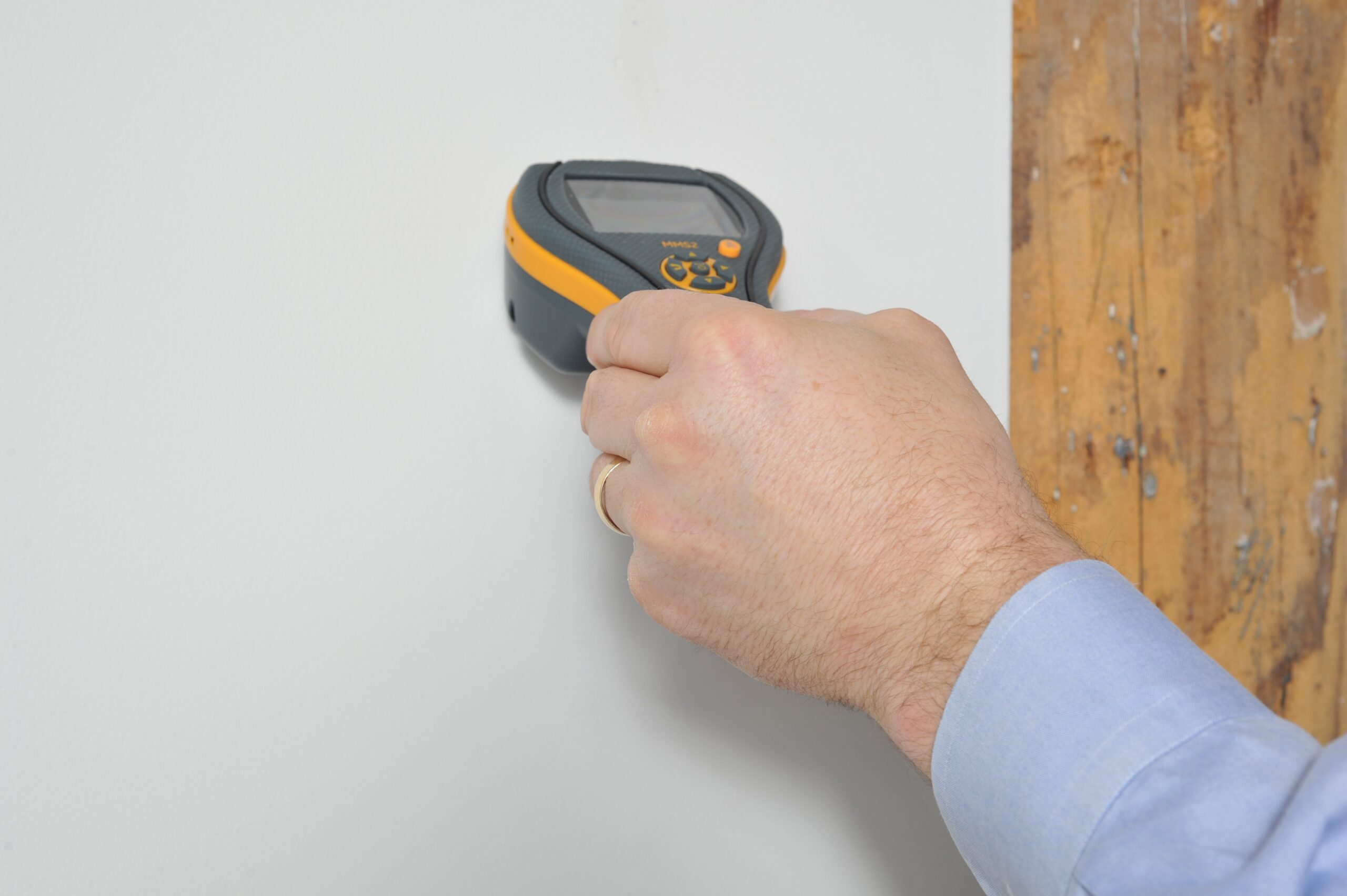
Moisture detection involves using specialized tools to locate damp materials that are not visible.
Common methods include:
Moisture Meters
These devices measure moisture content in drywall, wood, and flooring.
Infrared Imaging
Thermal cameras detect temperature differences that may indicate hidden moisture.
Humidity Monitoring
Measuring indoor humidity helps determine whether conditions support mold growth.
Professionals experienced in coastal environments, such as Tip Top Water and Fire Damage Restoration, often combine these methods to ensure moisture is located accurately and completely.
Why Early Detection Saves Money and Prevents Damage
When moisture is detected early, repairs are usually smaller and less disruptive. Early detection helps:
- Prevent mold growth
- Protect structural materials
- Reduce repair costs
- Improve indoor air quality
Waiting until visible damage appears often means moisture has already spread significantly.
Preventing Moisture Problems in Coastal Homes
Homeowners near Biscayne Bay can reduce the need for moisture detection by taking preventive steps:
- Inspect roofs and windows after storms
- Clean AC drain lines regularly
- Monitor indoor humidity levels
- Ensure proper attic ventilation
- Repair plumbing leaks promptly
Routine inspections are especially important in coastal environments where humidity remains high year-round.
Why Local Experience Matters
Moisture detection in coastal neighborhoods requires understanding how humidity, storms, and salt air affect building materials. Drying times are longer, hidden damp areas are more common, and minor leaks often cause greater damage over time.
Professionals who regularly work in areas near Biscayne Bay understand these conditions and know where moisture problems are most likely to develop.
A Practical Perspective for Homeowners
Moisture problems rarely begin with obvious signs. In many cases, they develop slowly due to humidity, small leaks, or repeated storm exposure. Detecting moisture early is one of the most effective ways to protect a home and avoid costly repairs.
By understanding the real causes of hidden moisture, property owners in coastal neighborhoods near Biscayne Bay can take preventive steps, schedule inspections when needed, and maintain their homes in a safe and comfortable condition.