
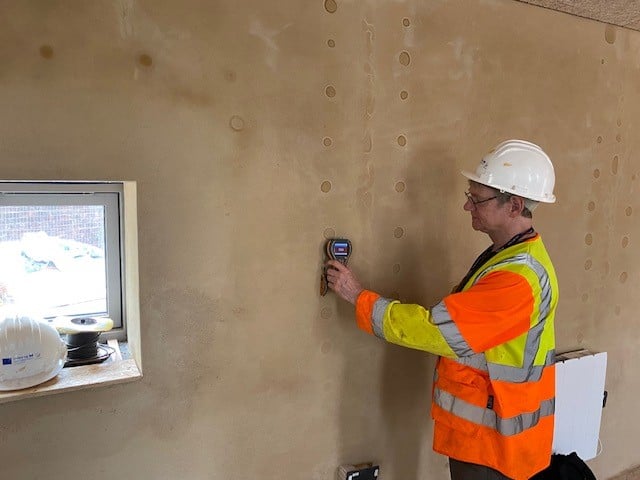
What Really Causes the Need for Moisture Detection in Surfside
In Surfside, moisture isn’t a rare event. It’s part of the environment.
Ocean air, year-round humidity, hurricane-season storms, and high-rise coastal construction all combine to create conditions where water intrusion happens more often than most property owners realize.
Moisture detection becomes necessary not because something dramatic always happens — but because subtle moisture problems in this coastal setting can turn into structural damage or mold growth if they go unnoticed.
For homeowners, condo owners, and property managers in Surfside, understanding the real causes behind moisture detection helps prevent long-term issues.
Coastal Humidity Never Really Leaves
Surfside sits directly along the Atlantic Ocean. That means:
- High year-round humidity
- Salt-heavy ocean air
- Constant exposure to moist coastal winds
- Limited seasonal drying periods
Even when there hasn’t been rain, indoor humidity levels can remain elevated.
In tightly sealed condos, humidity can accumulate inside wall cavities and around duct systems.
Moisture detection becomes necessary because humidity alone can create condensation inside building materials — without visible leaks.
Wind-Driven Rain During Storm Season
Hurricane season and summer storms bring more than heavy rainfall. They bring wind-driven rain.
Unlike vertical rainfall, wind-driven rain pushes moisture sideways into:
- Sliding glass door tracks
- Window seals
- Roof-to-wall intersections
- Balcony connections
- Exterior wall penetrations
Water may enter in small amounts, dry unevenly, and remain trapped in insulation.
Often, homeowners see no visible damage at first.
Moisture detection tools reveal hidden dampness long before stains appear.
High-Rise Construction and Sealed Building Envelopes
Most Surfside properties are high-rise condominiums.
Modern coastal buildings are designed to be energy-efficient and sealed against outdoor air.
While this improves insulation, it also:
- Traps indoor humidity
- Limits natural airflow
- Slows drying after water intrusion
Moisture inside a sealed wall cavity can remain there for extended periods.
Detection becomes necessary to confirm structural dryness after leaks, storms, or plumbing failures.
Plumbing Failures in Multi-Unit Buildings
In high-rise buildings, plumbing lines run vertically through shared walls.
Common issues include:
- Burst supply lines
- Washing machine hose failures
- Toilet overflows
- Drain line backups
- AC condensate line clogs
Water from one unit can seep into adjacent units or travel down multiple floors.
Because concrete slabs absorb water slowly, moisture may remain hidden beneath flooring.
Moisture detection helps determine how far water has spread beyond the visible area.
AC Systems and Condensation Buildup
Air conditioning systems operate almost year-round in Surfside.
Common moisture sources include:
- Clogged condensate drain lines
- Rusted drain pans
- Insufficient duct insulation
- Air handler closet leaks
Condensation inside ducts can create damp insulation that remains unnoticed.
Moisture detection often includes HVAC inspection because duct systems can distribute humidity and spores throughout the unit.
Ignoring AC-related moisture increases mold risk.
Slab Foundations and Elevated Groundwater
Surfside’s proximity to the ocean means groundwater levels can rise during heavy rain or king tide events.
In slab-based construction:
- Moisture may migrate upward
- Flooring can absorb dampness
- Tile adhesives may weaken
- Musty odors may develop
Surface dryness does not confirm slab dryness.
Moisture detection tools verify subfloor moisture before flooring is replaced or repaired.
Without proper testing, hidden dampness may remain trapped.
Attic and Roof-Related Moisture
In lower-rise homes or townhomes in Surfside, roof systems face constant coastal stress.
Tile roofs and flat roof sections can develop:
- Flashing gaps
- Underlayment wear
- Sealant deterioration
Small leaks may dampen attic insulation without obvious interior staining.
Moisture detection in attic spaces prevents slow structural damage.
Wood framing and roof sheathing can weaken over time if moisture remains.
Why Visual Inspection Is Not Reliable
Many property owners rely on what they can see:
- Ceiling stains
- Peeling paint
- Warped flooring
But moisture often spreads far beyond the visible area.
Professional moisture detection may include:
- Pin moisture meters
- Non-invasive surface meters
- Thermal imaging cameras
- Hygrometers
- Slab probes
These tools measure moisture inside materials — not just on the surface.
In a humid coastal environment like Surfside, visual checks alone are rarely accurate.
The Mold Risk in Coastal Conditions
Mold thrives in warm, humid environments.
In Surfside, if materials remain damp for more than 24–48 hours, mold growth becomes likely.
Hidden moisture inside:
- Wall cavities
- Insulation
- Ductwork
- Subflooring
… can lead to mold without visible warning.
Moisture detection helps identify damp areas before remediation becomes necessary.
Early drying prevents larger projects later.
Salt Air and Material Breakdown
Salt-heavy ocean air accelerates material wear.
Over time, salt exposure can:
- Corrode fasteners
- Deteriorate window seals
- Weaken flashing
- Affect HVAC components
These weaknesses increase the likelihood of moisture intrusion.
Routine detection protects against gradual structural decline.
Post-Storm Inspections Reduce Long-Term Damage
After hurricanes or heavy storms, even if there’s no visible flooding, inspection is wise.
Wind-driven rain may have entered hidden areas.
Moisture detection confirms:
- Attic dryness
- Wall cavity stability
- Subfloor moisture levels
- HVAC system condition
Preventive inspection costs far less than full mold remediation or structural repair.
Why Local Experience Matters
Moisture detection in Surfside requires understanding:
- Oceanfront exposure
- High-rise building systems
- Concrete slab moisture behavior
- Hurricane-driven rain patterns
- Salt air corrosion effects
Professionals familiar with Surfside, Bal Harbour, and Sunny Isles Beach know where moisture tends to hide in coastal structures.
Tip Top Water and Fire Damage Restoration approaches moisture detection with this local knowledge, focusing on long-term structural stability rather than surface-level inspection.
Experience prevents missed hidden damage.
A Practical Perspective for Property Owners
Moisture detection becomes necessary in Surfside not because every home floods — but because moisture rarely behaves predictably in a coastal climate.
Small leaks, high humidity, AC condensation, and wind-driven rain all contribute to hidden dampness.
If you notice:
- Persistent humidity
- Musty odors
- Minor staining
- Flooring changes
- AC performance shifts
… schedule inspection early.
Moisture that goes undetected is moisture that spreads.
In Surfside’s humid coastal environment, proactive detection is one of the most effective ways to protect your property long term.
Measure it. Dry it. Stabilize it.
That’s how you stay ahead of moisture in South Florida.