
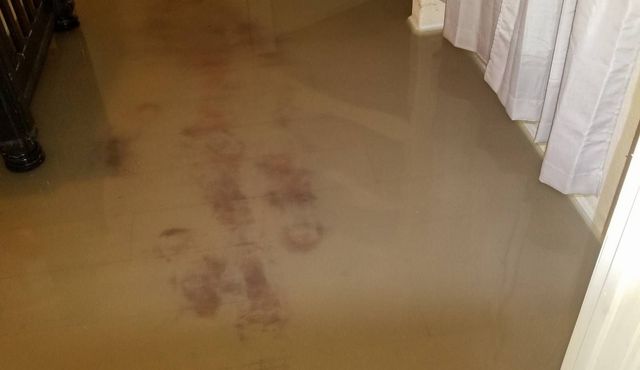
What Really Causes the Need for Water Removal in Aventura
In Aventura, water damage rarely begins with dramatic flooding.
More often, it starts quietly. A failed supply line behind a washing machine. A clogged AC condensate drain. A balcony drain that backs up during a heavy storm. A small roof penetration leak in a low-rise property. By the time visible water appears on the floor, moisture has usually been spreading for hours — sometimes days.
In a city surrounded by canals, the Intracoastal, and dense high-rise construction, water behaves differently than it does in inland communities. Understanding what truly causes the need for water removal in Aventura helps property owners act early and prevent long-term structural damage.
Aventura’s Environment: Why Water Problems Are So Common
Aventura sits in a low-lying coastal zone with:
- Elevated groundwater levels
- High year-round humidity
- Frequent heavy rain
- Dense multi-story buildings
- Slab-on-grade construction in many properties
These environmental factors increase the likelihood that even minor leaks will spread quickly.
Nearby areas like Sunny Isles Beach, North Miami Beach, and Bal Harbour face similar risks — especially in waterfront and high-rise properties.
Water removal becomes necessary not just because water appears, but because of how quickly it travels and how slowly it dries in this climate.
Cause #1: Plumbing Failures in High-Rise Buildings
Aventura is known for its high-rise residential towers.
In multi-story buildings, water damage often originates from:
- Burst supply lines
- Faulty appliance hoses
- Dishwasher or washing machine failures
- Broken angle stops
- Failed shut-off valves
Water from upper floors can travel downward through wall cavities and ceiling assemblies, affecting multiple units.
In many cases, by the time a ceiling stain appears in one unit, water has already moved through insulation and framing materials above.
Professional water removal is necessary to extract moisture from hidden cavities — not just dry visible surfaces.
Cause #2: AC Condensate Drain Line Blockages
Air conditioning systems run most of the year in Aventura.
Condensate drain lines remove moisture collected by evaporator coils. When those lines clog, water backs up into:
- Ceiling cavities
- Walls
- Mechanical closets
Because AC systems operate daily, condensate overflow can introduce continuous moisture without obvious flooding.
This is one of the most common causes of water removal needs in coastal condos.
Routine HVAC servicing significantly reduces this risk.
Cause #3: Heavy Rain and Wind-Driven Intrusion
South Florida storms produce intense rainfall in short periods.
In Aventura, wind-driven rain may enter through:
- Sliding glass door tracks
- Balcony thresholds
- Window seals
- Roof penetrations
High-rise units with large glass surfaces are especially vulnerable if sealants deteriorate.
Water intrusion during storms often appears minimal at first — but moisture can travel behind drywall and under flooring.
In slab-on-grade homes in nearby North Miami and Miami Shores, rain may also elevate groundwater levels, contributing to moisture migration from below.
Cause #4: Balcony and Drainage Failures
Many Aventura condos feature large balconies.
When balcony drains clog with debris, water can accumulate and seep inward through:
- Door thresholds
- Cracks in tile
- Failed waterproof membranes
Water may enter the interior without immediately pooling on the floor.
Instead, it spreads into:
- Wall bases
- Subflooring
- Insulation
Drain maintenance is often overlooked until water intrusion occurs.
Cause #5: Water Heater and Appliance Failures
In both high-rise units and single-family homes, water heaters are a frequent source of water damage.
Failures may result from:
- Corrosion
- Pressure relief valve malfunction
- Tank rupture
- Loose fittings
Appliance hoses — particularly those connected to washing machines — can also rupture unexpectedly.
Because these failures often occur while occupants are away, water may spread extensively before being discovered.
Water removal in these cases must address both visible pooling and hidden saturation beneath flooring.
Cause #6: Slab Foundation Moisture Migration
Many properties in Aventura and North Miami Beach are built on concrete slabs.
After prolonged rain, groundwater levels can rise.
Moisture may migrate upward through the slab and appear along:
- Baseboards
- Tile edges
- Carpet perimeters
Slab moisture spreads laterally before becoming visible.
Without professional moisture detection, the source may be misidentified as plumbing or roof intrusion.
Water removal in slab homes often includes extended dehumidification to draw moisture from concrete.
Cause #7: Roof Leaks in Low-Rise Properties
Although high-rises dominate Aventura, low-rise properties and townhomes also exist.
Roof-related water intrusion may occur due to:
- Aging flashing
- Damaged shingles or membranes
- Poorly sealed penetrations
- Storm damage
Water entering through the roof often saturates insulation before staining ceilings.
By the time interior damage is visible, moisture may already be present inside wall cavities.
What Happens If Water Removal Is Delayed?
In Aventura’s humid climate, untreated moisture leads to:
- Mold growth within 48–72 hours
- Warped flooring
- Peeling paint
- Deterioration of drywall
- Corrosion of metal components
Humidity slows natural drying, allowing moisture to linger longer than property owners expect.
Professional water removal involves:
- Extraction of standing water
- Moisture mapping
- Removal of saturated materials
- Structural drying
- Monitoring and verification
Surface drying alone is not sufficient in coastal environments.
HVAC Systems and Secondary Moisture
Water intrusion can also affect HVAC systems.
Moisture inside ducts or air handlers may:
- Circulate damp air
- Increase indoor humidity
- Create persistent odor
Inspection of HVAC components is often part of comprehensive water removal.
Tip Top Water and Fire Damage Restoration frequently evaluates ductwork and air handlers after water events in Aventura to prevent ongoing moisture imbalance.
Saltwater and Corrosion Concerns
In waterfront properties near the Intracoastal, floodwater may contain salt.
Salt residue accelerates corrosion of:
- Appliances
- Electrical components
- Metal framing
- HVAC coils
Even after drying, salt contamination must be addressed to prevent gradual deterioration.
Corrosion issues often appear months after the initial water event.
Preventing the Need for Emergency Water Removal
While not all water damage is preventable, property owners can reduce risk by:
- Servicing HVAC systems annually
- Inspecting appliance hoses regularly
- Maintaining balcony drains
- Checking window and door seals
- Monitoring plumbing connections
- Conducting periodic moisture inspections
In high-rise buildings, coordination with property management ensures shared systems remain maintained.
Prevention reduces both structural damage and tenant disruption.
Why Local Experience Matters
Water behaves differently in Aventura than in dry inland areas.
Environmental factors include:
- Elevated groundwater
- High humidity
- Salt air exposure
- Multi-story construction
- Continuous AC operation
Restoration strategies must account for these coastal variables.
Tip Top Water and Fire Damage Restoration has addressed water removal needs throughout Aventura, Sunny Isles Beach, North Miami Beach, and surrounding communities with methods tailored specifically to South Florida conditions.
Local experience ensures hidden moisture is identified and properly dried.
Understanding the Bigger Picture
Water removal in Aventura is rarely about a single puddle.
It’s about how moisture spreads in a humid, coastal, multi-level environment.
From plumbing failures and condensate overflows to storm intrusion and slab migration, the causes are varied — but the solution always requires thorough detection, structured drying, and ongoing monitoring.
Acting quickly and addressing root causes protects structural integrity, indoor air quality, and long-term property value.
In Aventura, where water and humidity are constant environmental factors, awareness is the most effective prevention tool.