
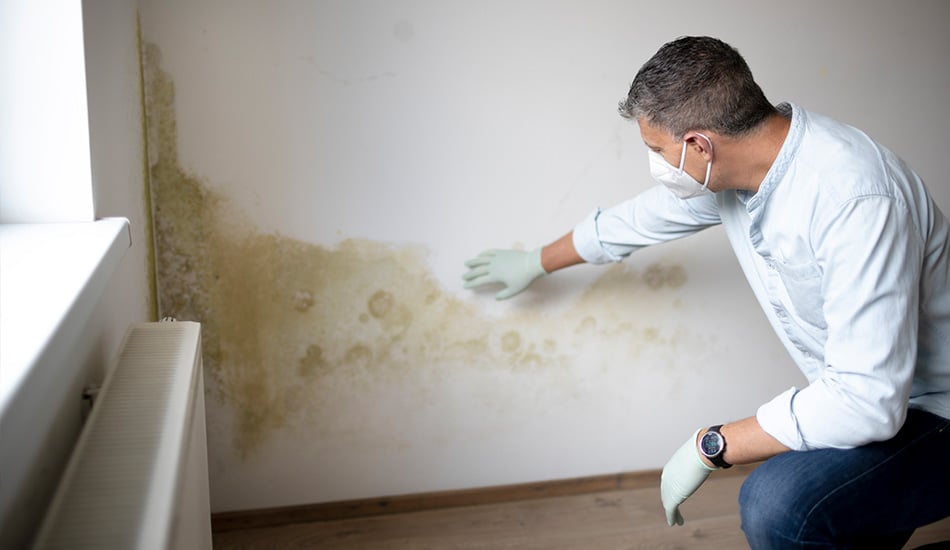
When Homes Require Mold Inspection in Bayfront Homes in North Miami
Bayfront homes in North Miami offer stunning waterfront views and a relaxed coastal lifestyle, but living close to Biscayne Bay also brings constant exposure to humidity and moisture. Many homeowners are unaware that their proximity to water significantly increases the risk of mold development inside their properties. Mold problems often begin quietly, hidden behind walls or beneath flooring, and may grow for months before visible signs appear.
Knowing when a mold inspection becomes necessary is critical for property owners who want to protect their homes, maintain property value, and ensure safe indoor living conditions. Early inspections can prevent widespread contamination and costly remediation later.
Why Bayfront Homes Face Higher Mold Risks
Homes located near waterfront areas face unique environmental conditions that promote mold growth. Even when properties appear dry and clean, moisture constantly enters through air, rainfall, and building materials.
Several factors increase mold risks in North Miami bayfront homes:
• Constant coastal humidity entering homes
• Storm-driven rainwater intrusion
• Occasional flooding or rising water levels
• Salt air accelerating material wear
• AC systems running continuously
• Older building waterproofing failures
• Seasonal homes left closed for extended periods
Because moisture exposure is continuous, mold can begin developing even without obvious leaks or flooding.
How Mold Begins Growing Inside Homes
Mold spores exist naturally in the environment and enter homes through open doors, windows, and ventilation systems. They only need moisture and organic materials to begin growing.
Inside homes, mold commonly grows on:
• Drywall and wall framing
• Insulation materials
• Carpets and padding
• Wood flooring and cabinetry
• Ceiling tiles
• Dust accumulation on surfaces
Once materials become damp, mold colonies can begin forming within 24 to 48 hours. Over time, mold spreads into hidden areas, making removal more complex.
Situations When Mold Inspection Becomes Necessary
Many homeowners wait until mold becomes visible before requesting an inspection, but several situations should prompt earlier evaluation.
A mold inspection is recommended when:
• A home has experienced flooding or storm water intrusion
• Plumbing leaks occurred inside walls or floors
• Roof leaks developed during heavy rain
• Musty odors persist indoors
• Visible mold spots appear anywhere inside the home
• Air conditioning condensation problems occur
• Indoor humidity levels remain high
• Residents experience worsening allergy symptoms indoors
In bayfront homes, even minor moisture events justify inspection because humidity accelerates mold growth.
Warning Signs Mold May Be Hidden
Often, mold grows in concealed spaces long before homeowners see visible signs. Paying attention to subtle indicators can help identify problems early.
Common warning signs include:
• Persistent musty smells
• Peeling paint or bubbling drywall
• Warped flooring or soft wall areas
• Mold near vents or baseboards
• Excess condensation on windows
• Increased indoor humidity
• Allergy-like symptoms indoors
These symptoms frequently signal hidden moisture and mold growth behind surfaces.
Hidden Areas Where Mold Commonly Develops
Professional inspections in North Miami bayfront homes often reveal mold growth in areas homeowners rarely examine.
Common hidden mold locations include:
• Inside wall cavities after leaks
• Beneath flooring materials
• Behind kitchen or bathroom cabinets
• Around air conditioning equipment
• Inside air ducts
• Attics with poor ventilation
• Closets or storage rooms with little airflow
Because mold thrives in dark, damp environments, specialized detection tools are often needed to locate contamination.
Why DIY Mold Checks Often Miss Problems
Some homeowners attempt to check for mold themselves or rely on home testing kits. While surface mold may be visible, these methods often fail to identify deeper issues.
DIY inspections fall short because:
• Mold frequently grows behind walls or flooring
• Moisture sources remain unidentified
• Test kits can produce misleading results
• Mold species are difficult to identify visually
• Hidden moisture remains undetected
Professional inspections focus on identifying both mold presence and moisture sources responsible for growth.
How Professional Mold Inspections Work
A professional mold inspection involves a detailed evaluation of the home to locate both mold contamination and moisture sources.
Typical inspection steps include:
• Visual examination of interior and exterior areas
• Moisture meter testing in walls and floors
• Thermal imaging to locate hidden damp areas
• Inspection of HVAC systems and ductwork
• Attic and crawl space evaluations
• Air or surface sampling when necessary
This process ensures mold growth is identified accurately and helps determine how contamination developed.
Restoration specialists such as Tip Top Water and Fire Damage Restoration frequently perform mold inspections in North Miami bayfront homes, helping property owners understand the scope of moisture and contamination issues.
Moisture Detection Is Essential for Mold Prevention
Moisture is the root cause of mold growth. Without correcting moisture problems, mold often returns even after cleaning.
Common moisture sources in bayfront properties include:
• Roof leaks after storms
• Plumbing leaks inside walls
• AC condensation problems
• Balcony or window water intrusion
• Flooding during heavy rain
• Poor ventilation trapping humidity
Professional moisture detection identifies where dampness remains trapped, allowing proper repairs to prevent mold recurrence.
Mold Inspection During Property Sales
Mold inspections are becoming increasingly common during real estate transactions in coastal communities. Buyers want reassurance that hidden mold issues do not exist before purchasing.
In bayfront North Miami homes, inspections help uncover:
• Past water damage from flooding
• Hidden moisture behind renovations
• Mold growth in seldom-used areas
• HVAC contamination problems
Sellers also benefit from inspections by resolving issues before listing, preventing delays during negotiations.
Preventing Mold Growth in Bayfront Homes
Although coastal humidity cannot be eliminated, homeowners can reduce mold risks with proactive maintenance.
Helpful prevention measures include:
• Keeping indoor humidity below 60 percent
• Servicing AC systems regularly
• Repairing leaks immediately
• Ventilating bathrooms and kitchens properly
• Using dehumidifiers when needed
• Inspecting roofs before storm season
• Checking windows and balconies for water intrusion
Routine maintenance reduces moisture buildup in hidden areas.
Why Local Experience Matters in Mold Inspection
Mold behavior varies based on climate and construction style. Professionals familiar with North Miami understand how moisture spreads in bayfront homes and condominiums.
Local inspectors recognize construction vulnerabilities and coastal weather patterns influencing mold growth. Their experience allows faster identification of hidden problems and tailored solutions suited to coastal environments.
Tip Top Water and Fire Damage Restoration regularly assists North Miami homeowners in detecting and resolving mold concerns specific to waterfront living.
Acting Early Protects Property Value and Comfort
Mold problems rarely resolve on their own. Small moisture issues often grow into widespread contamination if ignored. Early inspections help homeowners avoid extensive remediation and maintain healthier indoor living conditions.
Property owners who schedule inspections when warning signs appear can prevent mold from spreading and protect long-term home value. Professional mold inspections provide clarity, ensuring problems are resolved before becoming severe.
With proactive inspection and maintenance, North Miami bayfront homeowners can enjoy waterfront living without hidden moisture problems affecting their homes.